by | Aug 8, 2026 | Uncategorized
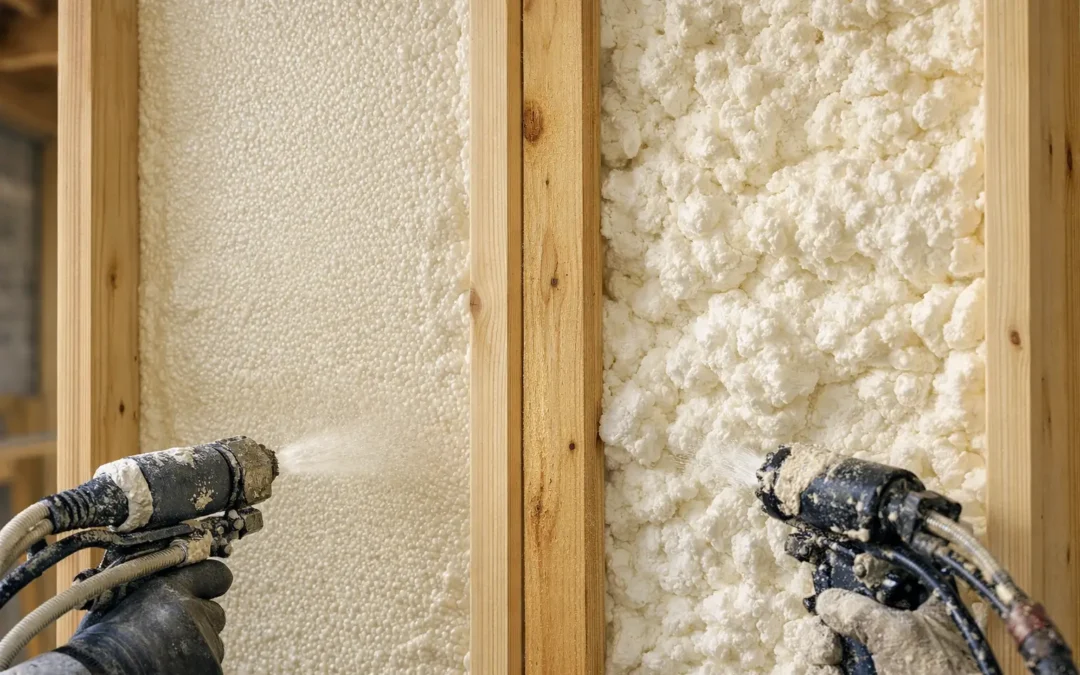
A roofline that sweats in January, a bonus room that never matches the thermostat, or a damp basement wall can turn an insulation decision into a building-performance problem. The closed cell versus open cell spray foam choice affects more than R-value. It influences...

by Chris Wibbe | Aug 7, 2026 | Uncategorized
The air inside your home directly affects your comfort every day. Gaps around framing and attic connections allow outside air to move freely through your home, bringing moisture and airborne pollutants with it. When you choose spray foam to improve indoor air quality,...
by | Aug 6, 2026 | Uncategorized
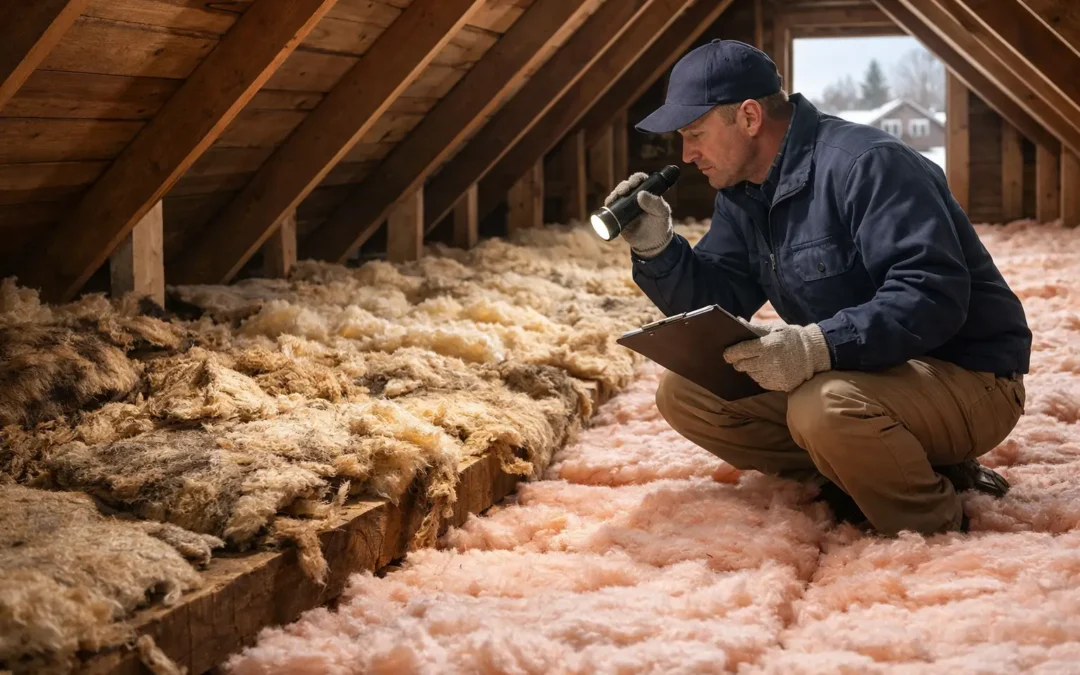
A cold bedroom over the garage, ice dams along the roofline, or heating bills that keep climbing can all point to the same overlooked space: the attic. Knowing when to replace old attic insulation helps New England property owners address comfort and energy waste...
by | Aug 4, 2026 | Uncategorized
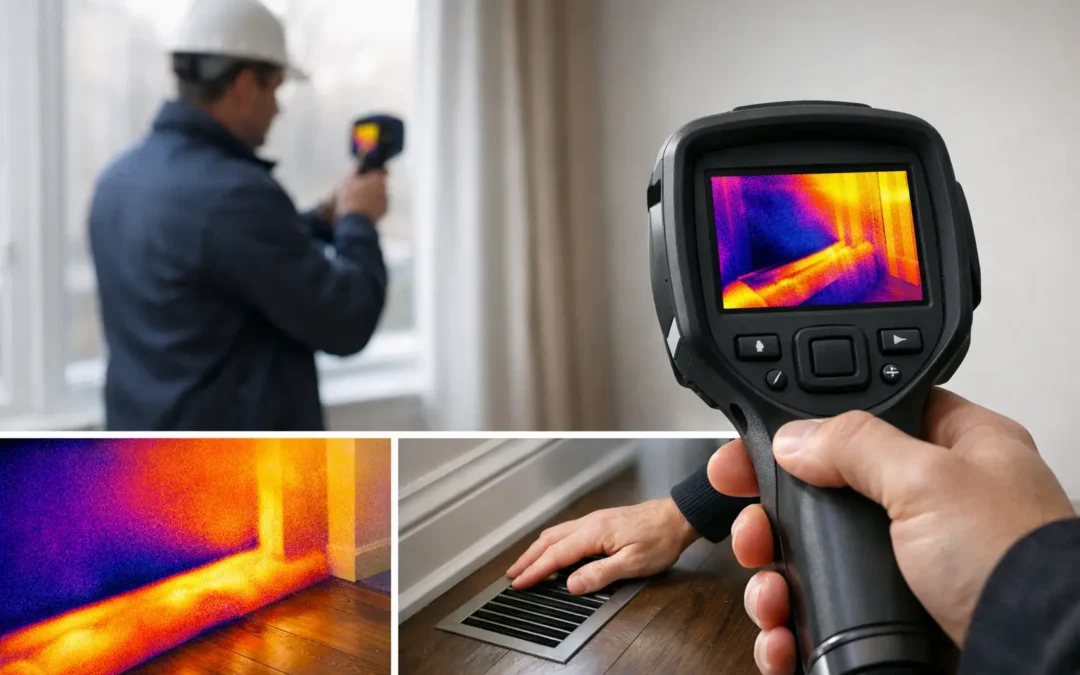
A cold stripe across a bedroom ceiling, a family room that never catches up with the thermostat, or ice dams returning each winter often point to the same underlying issue: an uneven building envelope. Thermal imaging audit examples make those hidden problems visible....
by | Aug 3, 2026 | Uncategorized
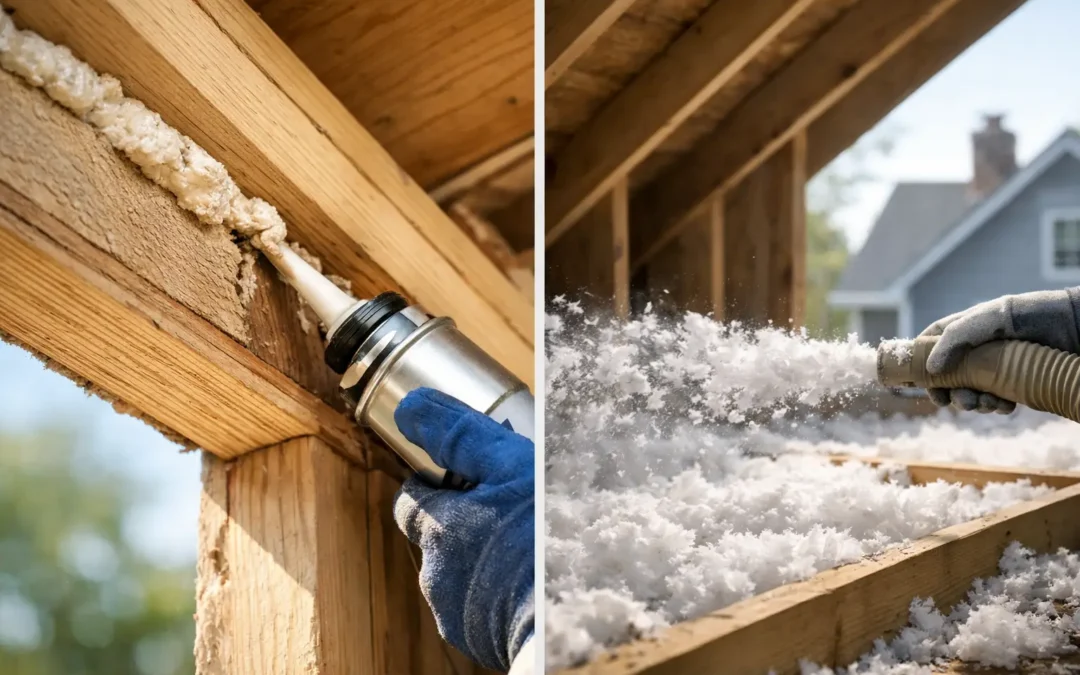
A cold bedroom over the garage, a draft along the baseboard, and ice dams at the roofline can all point to the same building-envelope problem. In the air sealing vs insulation conversation, the right answer for most New England homes is not choosing one over the...

by | Aug 2, 2026 | Uncategorized
A home can have plenty of insulation and still feel cold near the windows, drafty at the stairs, or expensive to heat. The missing piece is often uncontrolled air leakage. Understanding the benefits of an airtight home helps New England homeowners and building...

by | Aug 1, 2026 | Uncategorized
A loading-bay office that is cold every January, a top-floor suite that overheats in July, or condensation forming above a dropped ceiling are not separate building problems. They are often signs that the building envelope is losing control of heat, air, and moisture....

by | Jul 31, 2026 | Uncategorized
A cold bedroom over the garage, ice dams along the roofline, and a heating bill that rises faster than expected often point to the same building-envelope issue: insulation R value. For New England homes and buildings, R-value helps determine how well walls, attics,...

by | Jul 30, 2026 | Uncategorized
A renovation can transform a kitchen, add a bath, or turn an unfinished attic into usable space. But if the building enclosure is left untreated, the same project can leave homeowners with cold floors, overheated upstairs rooms, condensation concerns, and utility...

by | Jul 29, 2026 | Uncategorized
A framing inspection can go perfectly and still leave a project exposed to delays if the insulation scope is vague, the crew arrives late, or the installation misses the details that affect code and comfort. Choosing the right insulation contractor for builders means...