
A cold floor over the basement, a bedroom that never matches the thermostat, and ice dams along the roofline are common signs that an older New England home is leaking more than heat. Spray foam for old homes can be a highly effective solution, but it needs to be selected and installed with a clear understanding of the building’s age, materials, and moisture conditions.
Unlike a new home with open wall cavities, an older property may have irregular framing, fieldstone foundations, knob-and-tube wiring, hidden roof leaks, or layers of previous renovations. The goal is not simply to add more insulation. It is to create a durable thermal and air barrier without trapping moisture or compromising the home’s structure.
When Spray Foam for Old Homes Makes Sense
Spray foam is especially valuable where air leakage and insulation gaps occur together. In many older homes, that includes basement rim joists, crawl spaces, attic slopes, cathedral ceilings, and additions built with limited cavity depth.
Closed-cell spray foam provides a high R-value per inch and resists moisture. That makes it a strong option for foundation walls, damp-prone rim joists, and tight spaces where homeowners need meaningful thermal performance without building out the assembly. It also adds air sealing, which helps reduce the cold drafts that make rooms uncomfortable even when the heating system is running.
Open-cell spray foam is lighter and can be useful in certain wall and roof assemblies where vapor control is addressed separately. The right choice depends on the specific assembly, local code requirements, and how the area manages moisture. A professional assessment should come before material selection.
The Biggest Benefit Is Air Sealing
Older homes were often built to breathe through countless small gaps around framing, plumbing penetrations, chimneys, and exterior transitions. That uncontrolled airflow raises heating costs in winter, invites humid air into cool cavities during summer, and can carry dust and outdoor allergens indoors.
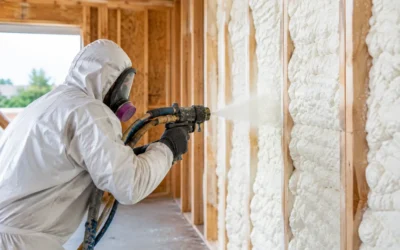
Spray foam expands into irregular spaces that are difficult to seal with batt insulation alone. Properly applied at rim joists or attic transitions, it can reduce the pathways that allow conditioned air to escape. The result is often more consistent temperatures, less strain on heating and cooling equipment, and a home that feels more comfortable from room to room.
That does not mean spray foam belongs everywhere. Dense-pack cellulose, fiberglass, and mineral wool may be better suited for accessible wall cavities, sound-control needs, or assemblies where vapor permeability is part of the design. The best insulation plan often uses more than one material.
Moisture Must Be Addressed Before Insulating
An old house with a wet basement or active roof leak does not need foam first. It needs the water problem corrected. Insulation cannot repair bulk-water intrusion, failing flashing, or poor drainage, and covering a moisture issue can make future repairs more difficult.
Before installation, a qualified contractor should look for signs of water staining, wood rot, foundation dampness, condensation, and inadequate ventilation. In New England, this matters because homes experience long heating seasons followed by humid summers. Temperature differences across walls, roofs, and foundations can create condensation when an assembly is not designed correctly.
Closed-cell foam can help control moisture vapor in the right location, but thickness, placement, and surrounding materials matter. A building-performance approach considers the whole enclosure rather than treating one drafty area in isolation.
Important Considerations in Historic and Renovated Homes
Older homes may contain conditions that require extra planning. Knob-and-tube wiring must be evaluated by a licensed electrician before insulation is added. Chimneys, flues, recessed fixtures, and other heat-producing components need proper clearance and approved fire-safety detailing. In historic homes, preserving original materials and allowing certain assemblies to dry can also influence the insulation strategy.
For remodelers and builders, sequencing is equally important. Spray foam should be coordinated with electrical, plumbing, HVAC, and inspection requirements so the project stays on schedule and the work remains accessible where needed. Proper installation is not just about filling a cavity. It is about achieving the intended R-value, air barrier continuity, and code-compliant fire protection.
What Homeowners Can Expect
When spray foam is used in the right parts of an older home, homeowners often notice the difference in the rooms that were hardest to heat or cool. Floors feel less cold above basements and crawl spaces. Drafts around exterior walls may diminish. Heating equipment can run more predictably because the home loses less conditioned air.
Energy savings vary based on the home’s size, existing insulation, heating fuel, and air leakage levels. An energy audit can identify where improvements will have the greatest effect and help avoid spending heavily on insulation in areas that are not the primary source of heat loss.
For an older New England home, the most reliable path is a tailored plan that fixes air leaks, manages moisture, and uses the right insulation for each assembly. A careful evaluation now can help protect the character of the home while making it far more comfortable through every season.