by Chris Wibbe | Oct 12, 2026 | Uncategorized
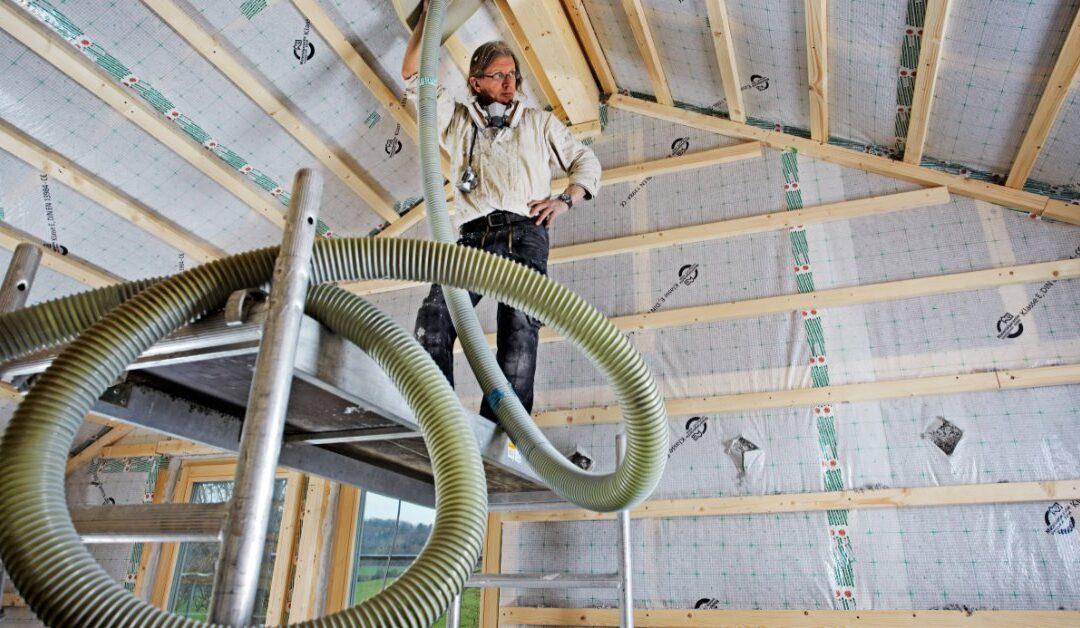
Upgrading your home’s insulation may sound straightforward until you start to wonder what the work truly involves. Will installers need to open your walls, and what happens to the rooms you use every day? Knowing what to expect during a cellulose installation...
by | Oct 12, 2026 | Uncategorized
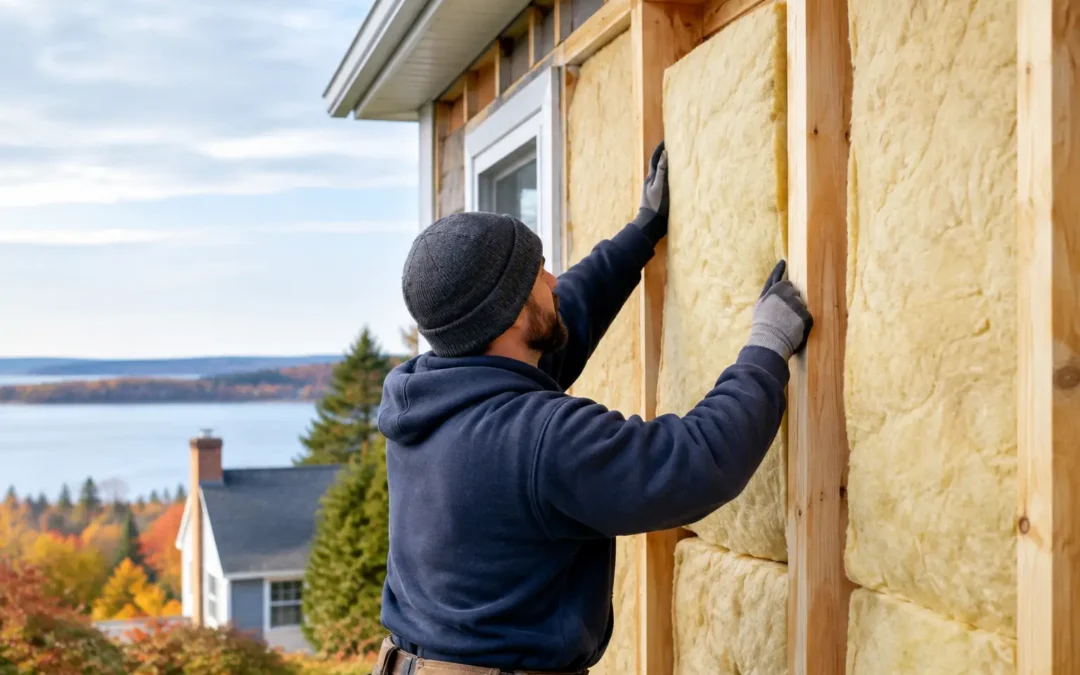
A new home can look finished long before it performs like one. Once drywall is up, the gaps around framing, wiring, rim joists, and mechanical penetrations are difficult and expensive to correct. New house insulation is the point in the construction process where...

by | Oct 11, 2026 | Uncategorized
A cold floor over the garage, a sweltering finished attic, and ice dams along the roofline may look like separate problems. In many New England homes, they point to the same issue: an underperforming building envelope. Green insulation can help address those...
by | Oct 10, 2026 | Uncategorized
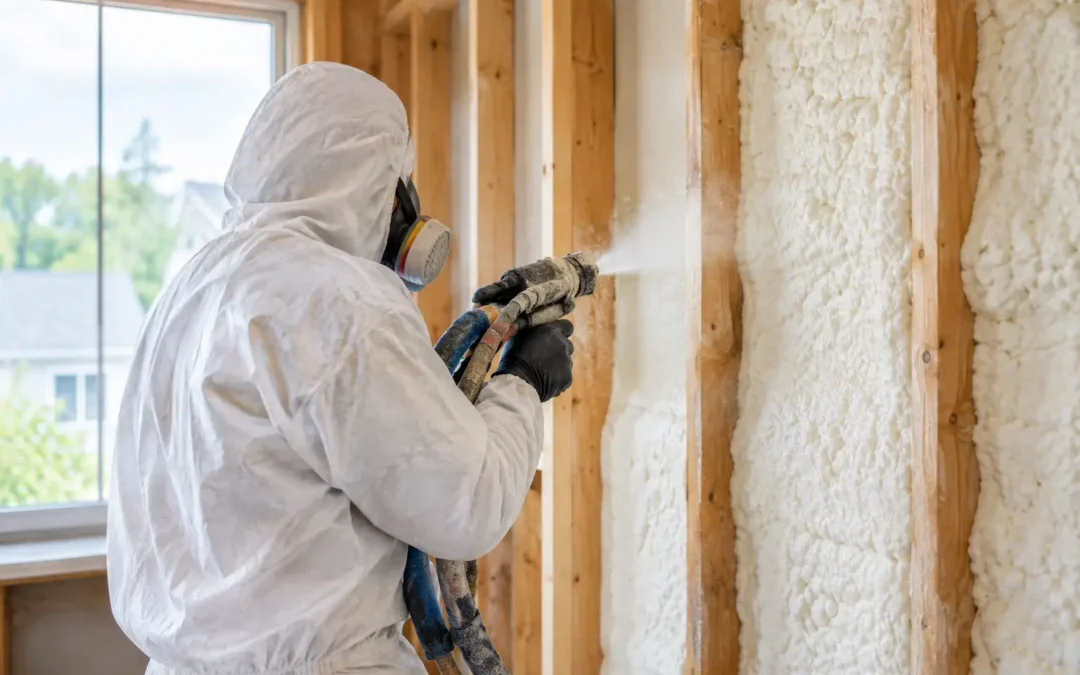
A cold bedroom over the garage, ice dams along the eaves, and a boiler that seems to run nonstop are common realities in older New England homes. If you are considering spray foam for my old house, the right answer is rarely to foam every available cavity. The best...

by | Oct 9, 2026 | Uncategorized
A warehouse office that is cold every January, a retail space with sweating windows, or a multifamily building with persistent odors often has the same underlying issue: the exterior enclosure is not managing heat, air, and moisture as a system. This commercial...
by | Oct 8, 2026 | Uncategorized
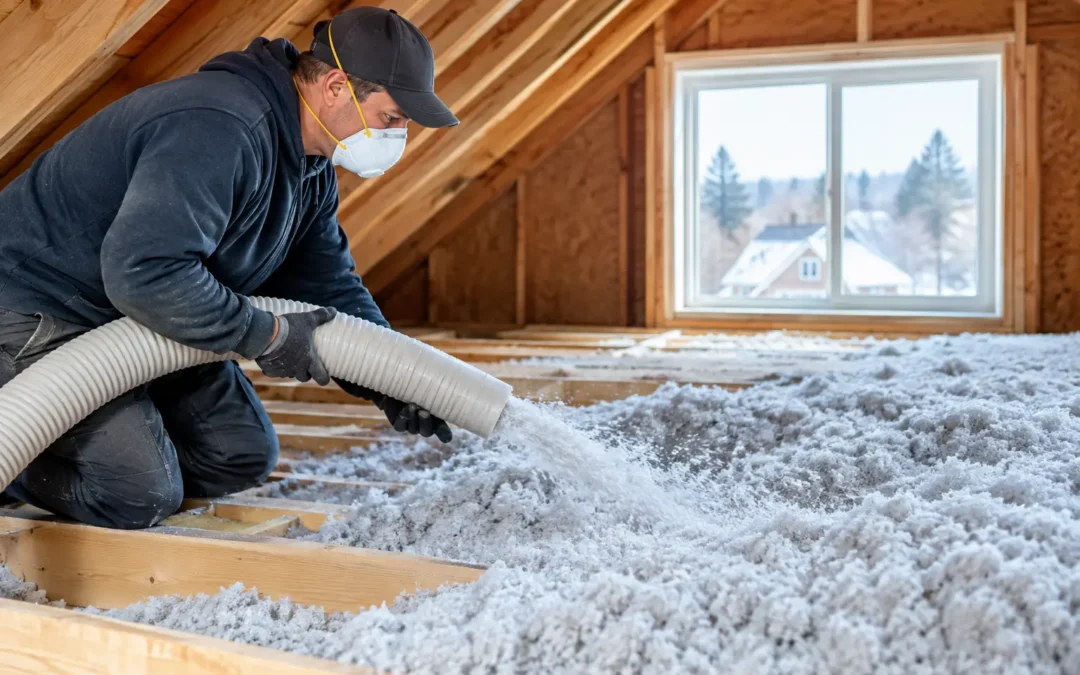
A cold upstairs bedroom, ice dams along the roofline, and a heating bill that climbs every January often point to the same place: the attic. Attic insulation is one of the most effective ways to improve a home’s comfort and energy performance, but simply adding more...

by | Oct 7, 2026 | Uncategorized
A wall can look perfectly sound while moisture is collecting inside it every cold night. That is what makes exterior-wall condensation so costly: by the time paint peels, trim swells, or a musty odor appears, the problem may already involve wet insulation, decaying...
by | Oct 6, 2026 | Uncategorized
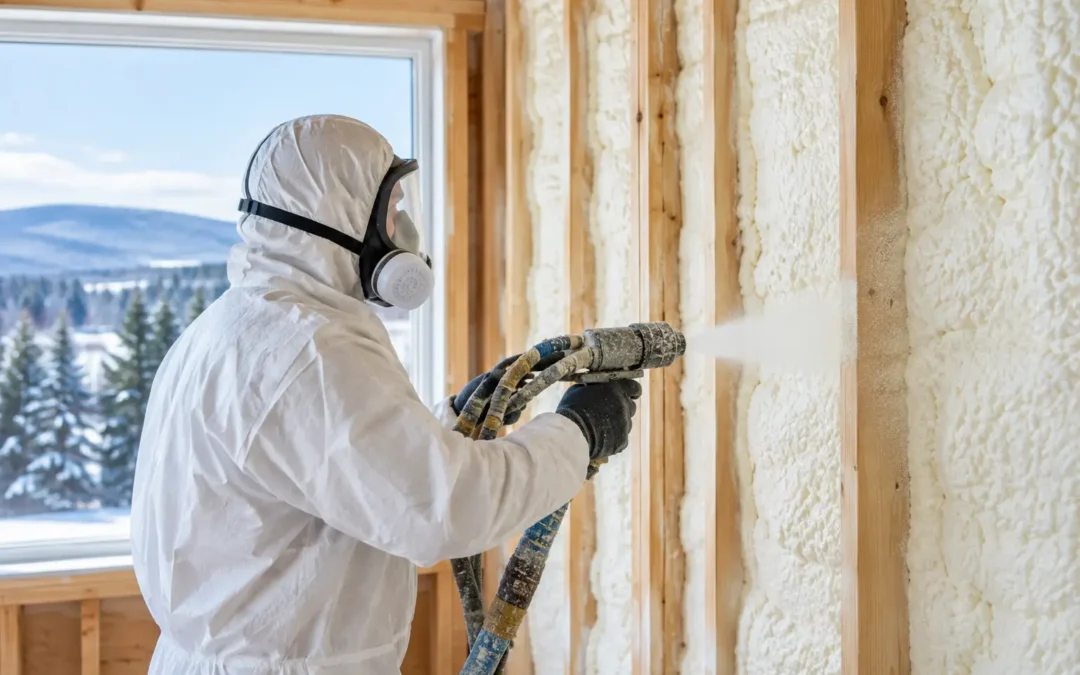
A cold bedroom over the garage, musty basement air, and a heating system that never seems to catch up often point to the same problem: gaps in the building envelope. Healthy spray foam insulation can address those gaps by combining insulation and air sealing in one...

by | Oct 5, 2026 | Uncategorized
A building envelope is the line between the conditioned space inside your property and New England weather outside it. When that line has gaps, thin insulation, or unmanaged moisture, the results show up quickly: cold floors, overheated second stories, ice dams, musty...
by | Oct 4, 2026 | Uncategorized
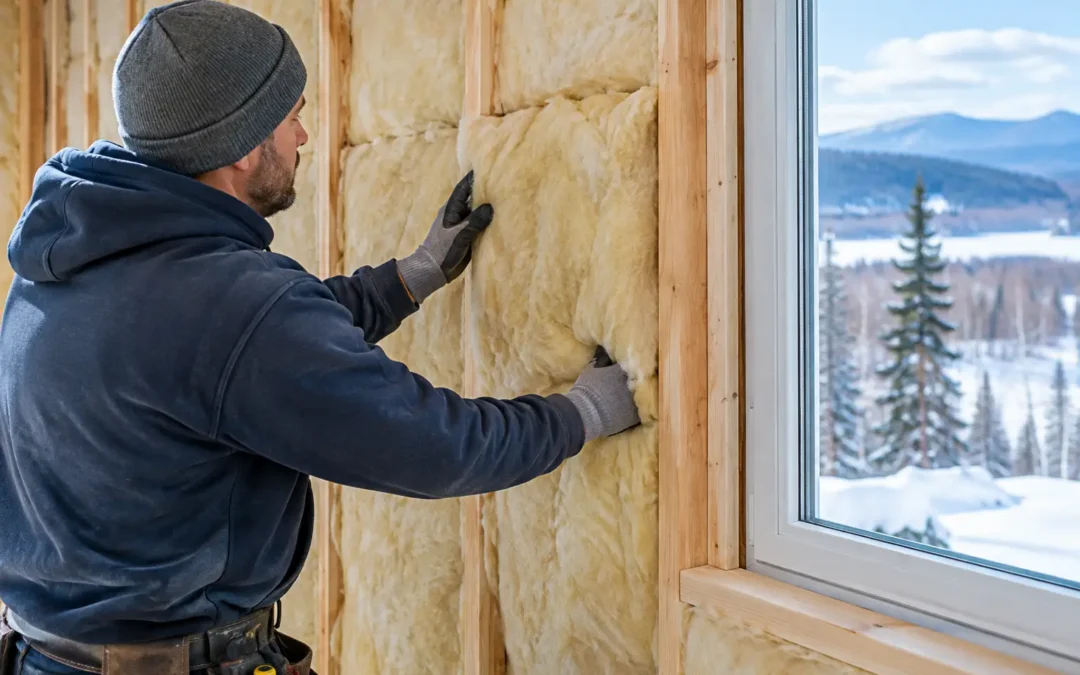
A north-facing bedroom that stays cold after the thermostat rises is rarely just a heating-system problem. In many New England homes, inadequate wall insulation allows heat to move through the building enclosure while outside air finds its way through gaps around...