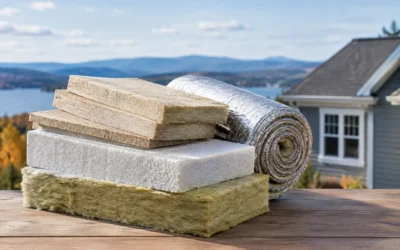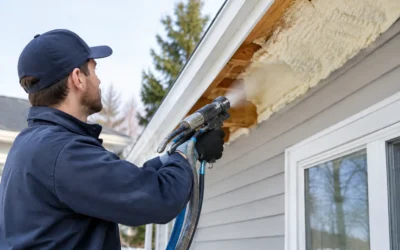

A bedroom that runs 8 degrees colder than the rest of the house is not usually fixed by choosing the insulation with the best-looking package. Fiberglass insulation reviews can be useful, but the most helpful ones look beyond a simple star rating. They explain where the product was installed, whether air leaks were addressed, how the insulation was fitted, and what changed after a full New England winter.
Fiberglass remains a practical, proven insulation choice for many homes, additions, multifamily properties, and commercial projects. It is widely available, noncombustible, cost-effective, and capable of delivering dependable thermal performance. Still, it is not the answer to every building-envelope problem. The right result depends on the assembly, the climate exposure, and, above all, the quality of installation.
What Fiberglass Insulation Reviews Often Get Right
The positive feedback is usually earned for good reasons. Fiberglass batts and blown fiberglass can improve comfort quickly when installed at the correct depth and R-value. Homeowners often notice fewer cold wall surfaces, less temperature swing between floors, and heating systems that do not have to run as long to maintain the thermostat setting.
Fiberglass also works well when a project needs a material that is familiar to trades, readily available, and straightforward to coordinate around framing, wiring, and plumbing. In new construction, properly selected batts can help builders meet insulation requirements without disrupting schedules. In attics, blown fiberglass can add needed R-value over existing insulation when conditions are appropriate.
Another frequent advantage is sound control. Fiberglass does not make a wall soundproof, but insulation in interior partitions and floor cavities can reduce the transfer of voices, plumbing noise, and everyday activity. For bedrooms, home offices, multifamily units, and mechanical-room walls, that added acoustic benefit can be meaningful.
The performance claims need context
A high R-value is valuable, but R-value measures resistance to heat flow through the insulation itself. It does not mean the assembly is automatically airtight. If outside air moves freely through gaps around rim joists, top plates, recessed fixtures, duct penetrations, or wiring holes, conditioned air can bypass the insulation.
That distinction explains why some reviews report excellent results while others describe continued drafts after an insulation upgrade. The material may have been adequate, but the air-control layer was incomplete. In New Hampshire, Massachusetts, Maine, and Vermont, that can mean cold air infiltration in winter, humid air movement in summer, and more difficult moisture management year-round.
Fiberglass Insulation Reviews: The Concerns to Evaluate
Negative reviews tend to center on three issues: itching during installation, poor fit around obstructions, and disappointment when fiberglass was used without air sealing. Each concern is real, but each needs a practical interpretation.
Fiberglass can irritate the skin, eyes, and respiratory system while it is being handled. Professional installers use appropriate protective equipment and containment practices, and the material is enclosed behind drywall or another approved finish once the work is complete. For occupants, the relevant question is not whether the installers wore long sleeves. It is whether the assembly is properly installed, sealed, and finished so fibers are not exposed to living spaces.
Fit is the second issue. Batt insulation loses effectiveness when it is compressed, left with gaps, or cut poorly around electrical boxes, pipes, and irregular framing. A batt that is too narrow leaves a thermal gap. One that is stuffed tightly into a shallow cavity can lose R-value. These are installation problems, not evidence that fiberglass itself cannot perform.
The third concern is the one that matters most in older New England homes. Fiberglass is air-permeable. It can slow heat transfer, but it does not stop air movement on its own. A house with balloon framing, an unsealed attic floor, leaky rim joists, or open utility chases needs a plan for air sealing before or alongside insulation work.
Batts vs. Blown Fiberglass
The type of fiberglass should match the location and condition of the space. Batt insulation is commonly used in open wall cavities, cathedral ceilings designed for it, basement walls with an appropriate assembly, and new-construction framing. It can be efficient and predictable when cavity dimensions are consistent and the crew has clear access.
Blown fiberglass is often a stronger option for open attic floors because it fills around framing irregularities and can be installed to a consistent depth across a large area. Depth markers and proper coverage matter. A thin or uneven layer may look complete from the attic hatch but fall short of the intended R-value in key areas.
Neither format replaces air sealing. Before adding blown insulation to an attic, penetrations at top plates, plumbing stacks, wiring holes, attic hatches, and duct chases should be evaluated. Before installing batts in walls, the exterior sheathing, flashing details, vapor-control strategy, and cavity condition deserve attention. Moisture that enters an assembly cannot be solved by simply adding more insulation.
Where fiberglass is a good fit
Fiberglass is often a sound choice for a dry, properly detailed wall cavity in a new home or addition. It can also be effective in interior walls where sound control is a priority, in attic upgrades after air sealing, and in commercial projects where fire resistance and budget discipline matter.
It may be less suitable as the only solution at complex rim joists, irregular foundation walls, or areas with persistent air leakage and moisture risk. Those locations may benefit from a different insulation system, such as closed-cell spray foam, mineral wool, or a hybrid approach. The goal is not to force one product into every application. The goal is to build a continuous thermal, air, and moisture-management system that fits the structure.
How to Read Fiberglass Insulation Reviews More Carefully
When comparing product or contractor feedback, look for details that reflect the real building conditions. A review that says, “My bills went down,” is encouraging, but it is more useful when it also identifies the project scope: attic air sealing, added R-49 insulation, basement rim-joist work, or exterior wall insulation during a remodel.
Pay attention to whether the reviewer mentions inspection results, cleanup, communication, and temperature consistency. For builders and remodelers, these are not secondary details. Insulation work affects drywall schedules, mechanical coordination, code compliance, and the final client experience. A dependable contractor should understand how to insulate without creating delays or leaving other trades to correct gaps.
For homeowners, ask what was diagnosed before the recommendation was made. A professional energy assessment can identify whether discomfort comes from inadequate insulation, uncontrolled air leakage, duct losses, moisture issues, or a combination of factors. Reinsulating a room without identifying the pressure and air-flow paths can produce an expensive partial fix.
Questions to Ask Before Choosing Fiberglass
Start with the assembly, not the product label. Ask what R-value is required or recommended for the location, how air leakage will be controlled, and whether there are visible moisture concerns. In an attic, ask whether existing insulation will be removed, leveled, or covered, and how ventilation pathways will remain clear.
For walls and ceilings, ask how the insulation will be cut around wiring and plumbing, whether cavities will be checked for voids, and what vapor-control approach fits the local climate and wall design. For renovations, ask whether hidden framing gaps, uninsulated kneewalls, or open chases may be contributing to the problem.
A clear proposal should identify the material, intended R-value, preparation work, and the areas included. It should also explain exclusions honestly. No insulation contractor can promise a whole-house comfort transformation if the scope addresses only one small section of a building with multiple leakage paths.
A Better Standard Than a Five-Star Rating
The best fiberglass insulation outcome is not defined by the lowest material cost or the highest advertised R-value. It is defined by a home or building that feels more even from room to room, uses less energy to maintain comfort, and manages winter cold and summer humidity without avoidable moisture risk.
At Colonial Insulation, that starts with the building rather than a one-size-fits-all material recommendation. A careful evaluation can determine whether fiberglass is the right fit, where air sealing should come first, and where another insulation approach will deliver better long-term value. If drafts, cold floors, or uneven temperatures are affecting your property, a detailed quote and professional consultation can turn broad reviews into a plan built for your specific space.