Considering spray foam for my attic? See how it controls drafts, moisture, and heat loss in New England homes, plus what proper installation involves today.
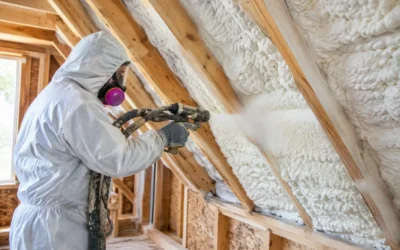
Is Spray Foam for My Attic Worth the Cost?
read more

Considering spray foam for my attic? See how it controls drafts, moisture, and heat loss in New England homes, plus what proper installation involves today.
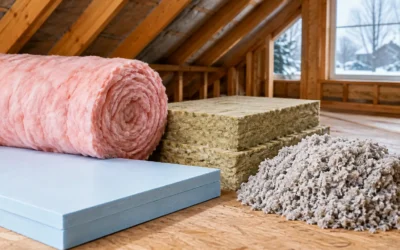
Compare the best attic insulation materials for New England homes, including spray foam, cellulose, fiberglass, and mineral wool, for lasting comfort.

From the first home assessment to the final cleanup, cellulose installation involves more than adding insulation. Find out what the process looks like.
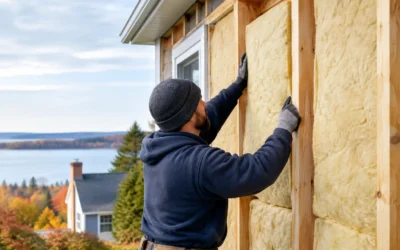
New house insulation for New England: build a tighter, quieter, code-ready home with steady temperatures, lower energy use, and key moisture control.

Green insulation can improve comfort, lower energy use, and support healthier New England homes. Compare materials, performance, and best uses wisely.
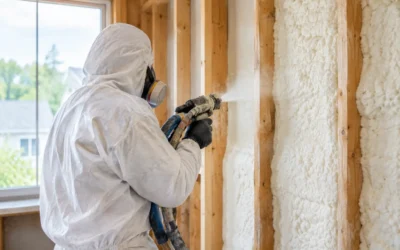
Considering spray foam for my old house? Learn where it works, what to inspect first, and how New England homes avoid moisture trouble and cold rooms.

Our commercial building envelope guide explains insulation, air sealing, moisture control, and code-ready performance for local New England building owners.
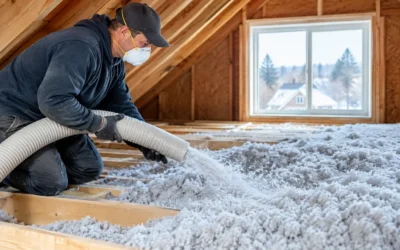
Attic insulation helps New England homes stay warmer, drier, and more comfortable while reducing energy waste, drafts, and seasonal utility costs all year.
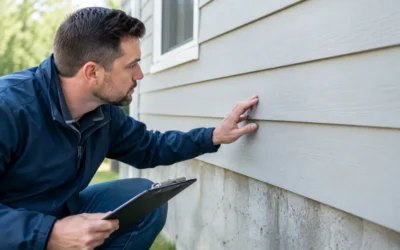
Learn how to stop condensation in exterior walls with air sealing, insulation, and moisture control designed for New England homes and projects alike.