
A search for “insulation lower bills” usually starts with a familiar problem: the heat is running, the utility bill is climbing, and one or two rooms still feel cold. In New England, that problem is rarely solved by simply adding more material wherever there is space. Lower operating costs come from improving the entire building envelope so heated and cooled air stays where it belongs.
Insulation slows heat transfer, but it works best when paired with effective air sealing and thoughtful moisture control. That combination can make a home more comfortable through a Maine winter, a humid Massachusetts summer, and every temperature swing in between.
How Insulation Lowers Bills
Your heating and cooling equipment works to maintain a set indoor temperature. When heat escapes through an underinsulated attic, exterior wall, rim joist, or crawlspace, the system has to run longer to replace it. In summer, heat and humidity entering the home create the same problem in reverse.
Insulation reduces the rate at which heat moves through a building assembly. Its effectiveness is measured in R-value, with higher R-values generally offering greater resistance to heat flow. But R-value alone does not tell the whole story. A high-R-value product installed around unsealed gaps can still leave a house drafty and expensive to condition.
Air leakage is often the missing piece. Small openings around plumbing penetrations, recessed fixtures, attic hatches, framing transitions, and basement rim joists can collectively move a surprising amount of air. Sealing those pathways before or alongside insulation helps preserve conditioned air and reduces the load on HVAC equipment.
For many properties, the practical result is a lower monthly energy demand, steadier indoor temperatures, and less need to adjust the thermostat to compensate for uncomfortable rooms. Savings vary by the age of the building, existing insulation levels, fuel type, thermostat habits, and the condition of windows and mechanical systems. Still, a properly planned insulation upgrade addresses one of the largest sources of energy loss in older New England homes.
The Areas That Usually Deliver the Best Return
Every building needs an assessment, not a guess. An attic may be the most cost-effective starting point in one home, while another may lose most of its heat through an unfinished basement, open rim joists, or poorly insulated walls.
Attics and Rooflines
Warm air rises in winter. If the attic floor is thinly insulated or full of air leaks, heat can move from the living space into the attic quickly. That heat loss raises heating costs and can contribute to uneven temperatures below.
Air sealing attic penetrations and bringing insulation up to an appropriate level can significantly improve performance. In vented attic assemblies, blown cellulose or fiberglass is often a practical choice. In certain roofline or cathedral-ceiling applications, spray foam may provide valuable air-sealing performance where space is limited. The right approach depends on roof design, ventilation strategy, moisture conditions, and local code requirements.
Basements, Crawlspaces, and Rim Joists
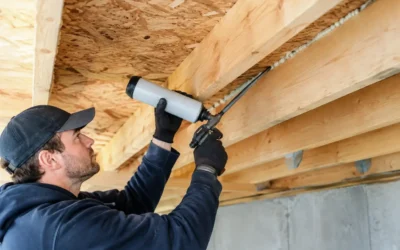
The rim joist is the narrow band of framing above the foundation wall. It is a common source of cold drafts because it contains multiple wood connections and penetrations. Basement walls, crawlspaces, and exposed foundation areas can also allow substantial heat loss.
Insulating and air sealing these lower-level areas makes floors above them feel warmer and reduces cold-air infiltration. Closed-cell spray foam is frequently used where moisture resistance, air sealing, and high R-value per inch matter. Mineral wool and rigid insulation may also be appropriate in specific assemblies, particularly when fire resistance or drainage details are priorities.
Exterior Walls and Renovation Openings
Wall cavities in older homes are not always empty, but existing insulation may be settled, compressed, poorly installed, or interrupted by framing. Renovation work offers an ideal time to correct these gaps because wall and ceiling cavities are accessible before finishes are installed.
For remodelers and builders, planning insulation details early helps avoid costly corrections later. Properly installed insulation, clear air-barrier continuity, and correctly detailed vapor control support first-pass inspections and protect the finished project from comfort complaints.
Choosing the Right Insulation Material
There is no universal “best” insulation. The right material depends on the location, desired R-value, moisture exposure, available cavity depth, budget, and construction schedule.
Spray foam is valuable when air sealing and high R-value are needed in tight spaces. Closed-cell foam can add rigidity and resist moisture, while open-cell foam may suit certain interior applications where vapor permeability is desired. Colonial Insulation uses next-generation HFO spray foam options that provide strong thermal performance while supporting a more considered approach to material selection.
Blown cellulose is a dependable choice for many attics and enclosed cavities. It fills irregular spaces well and is made with recycled content. Dense-pack cellulose can be especially useful in existing wall cavities when access is limited.
Fiberglass remains a practical, cost-conscious insulation material when it is installed carefully and without gaps, compression, or voids. It can work effectively in walls, floors, and attic systems where the assembly is properly air sealed.
Mineral wool offers excellent fire resistance, sound control, and moisture tolerance. It is often selected for exterior walls, multifamily construction, mechanical areas, and locations where its noncombustible qualities provide an added advantage.
Material selection should follow the building assembly, not a one-size-fits-all sales pitch. A professional evaluation identifies where each product can deliver the most value.
Insulation, Moisture, and Indoor Air Quality
An insulation project should never create a moisture problem while solving an energy problem. New England homes experience cold-weather condensation risks as well as humid summer conditions. Warm indoor air reaching a cold surface inside a wall or roof can condense, potentially leading to damp materials, mold growth, and wood deterioration.
That is why air sealing, vapor control, ventilation, and insulation must work together. The proper placement of vapor retarders depends on the assembly and climate zone. Spray foam, for example, may serve as an air barrier and, at certain thicknesses, a vapor retarder. Other assemblies may need a separate air barrier, carefully detailed membrane, or ventilation strategy.
Improving air sealing can also reduce the entry of outdoor dust, pollen, and combustion-related pollutants through unintended gaps. However, tighter homes may need mechanical ventilation to maintain healthy indoor air. The goal is controlled ventilation, not uncontrolled drafts.
When Insulation Will Not Solve the Whole Bill
Insulation can be one of the most effective efficiency improvements, but it is not a cure for every high utility bill. An aging boiler or furnace, poorly sized heat pump, leaky ductwork, inefficient water heating, and outdated windows can all affect energy use.
Windows deserve particular context. Replacing every window is not always the first or most cost-effective efficiency investment. If an attic is underinsulated and the basement rim joists are open, addressing those areas may produce more meaningful comfort improvements for the budget. On the other hand, damaged windows with severe air leakage or moisture failure may need attention as part of a broader plan.
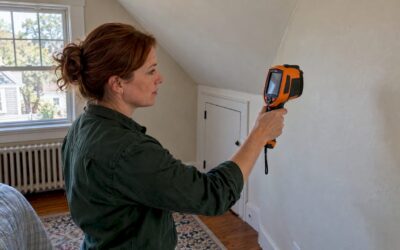
An energy audit helps prioritize improvements based on actual conditions. It can identify air-leakage pathways, insulation deficiencies, combustion-safety considerations, and areas where upgrades are likely to make the greatest difference. This information is useful for homeowners deciding where to invest and for contractors coordinating renovation scopes.
What to Expect From a Professional Assessment
A sound recommendation begins with the building, not a product. A qualified insulation contractor should examine accessible attic, basement, crawlspace, and wall conditions; look for signs of moisture or ventilation concerns; and consider the heating and cooling system along with the home’s occupancy patterns.
The final plan should explain which areas need air sealing, what insulation type and R-value are appropriate, and how the work will fit code requirements. For construction professionals, that clarity supports schedule coordination, inspection readiness, and predictable handoffs between trades.
Homeowners should also ask about available financing and regional efficiency incentives. These programs can change, and eligibility depends on the project and location, but they may help make larger building-envelope improvements more manageable.
A home should not require louder equipment, higher thermostat settings, or extra space heaters just to feel livable. Start with an informed assessment of where the building is losing energy, then invest in the insulation and air-sealing work that gives your property a more dependable baseline for comfort and lower bills.