
A room that is freezing in January but stuffy in July rarely has just one problem. It may be losing heated air through attic bypasses, pulling cold air through rim joists, or carrying too little insulation in exterior walls. Professional energy audit services identify where a building is wasting energy and why, giving homeowners, builders, and property managers a practical plan for better comfort and lower operating costs.
For New England properties, this work matters because the building envelope takes pressure from every direction. Long heating seasons expose air leaks and under-insulated assemblies. Humid summers can reveal condensation risks and uneven cooling. An audit turns those symptoms into measurable findings, so improvements are based on building performance rather than guesswork.
What Energy Audit Services Measure
An energy audit is an assessment of how a home or commercial building uses and loses energy. It considers the relationship between insulation, air leakage, ventilation, heating and cooling equipment, moisture movement, and occupant comfort. The goal is not simply to recommend more insulation. It is to find the most effective improvements in the right order.
A thorough audit typically begins with a conversation about the building. A homeowner may report cold floors, ice dams, high fuel bills, musty odors, or rooms that never match the thermostat. A builder or remodeler may need confirmation that an addition, attic conversion, or new assembly will meet code and perform reliably over time.
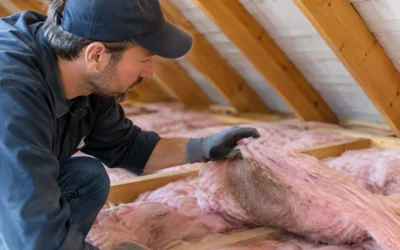
The assessment then combines visual inspection with diagnostic testing. Auditors look at attics, basements, crawl spaces, mechanical rooms, exterior penetrations, and accessible wall or roof areas. They examine insulation depth and condition, gaps around framing, signs of moisture, duct leakage, and pathways where outdoor air can move through the structure.
Blower door testing finds hidden air leaks
A blower door uses a calibrated fan installed in an exterior doorway to pressurize or depressurize the building. This makes air leakage easier to locate and measure. During the test, an auditor can identify leaks at attic hatches, recessed lights, plumbing and wiring penetrations, rim joists, sill plates, duct chases, and poorly sealed windows or doors.
Air sealing often delivers outsized comfort benefits because insulation alone cannot stop moving air. Fiberglass, cellulose, mineral wool, and spray foam all have valuable roles, but their performance depends on a continuous air-control strategy. In an older New England home, sealing major bypasses before adding attic insulation may prevent heated air from escaping into the attic and reduce the conditions that contribute to ice dams.
Insulation evaluation goes beyond R-value
R-value measures resistance to heat flow, but a quoted R-value does not tell the entire story. Insulation can be compressed, unevenly installed, wet, deteriorated, or interrupted by framing and unsealed openings. An audit looks at the assembly as it exists, not just the product label.
For example, a shallow attic with aging insulation may need air sealing and additional blown cellulose. A cathedral ceiling or difficult-to-access wall cavity may be better suited to a carefully designed spray foam application. Mineral wool can be a strong choice where fire resistance, moisture tolerance, or sound control is a priority. The best material depends on the location, the building assembly, budget, local code requirements, and the performance goal.
Common Problems an Audit Can Reveal
Many building-performance issues look similar from inside the house. A cold bedroom might result from inadequate insulation, but it could also be caused by air leakage, undersized ductwork, an unbalanced heating system, or a combination of factors. The audit provides evidence before construction begins.
In homes across New Hampshire, Massachusetts, Maine, and Vermont, common findings include poorly sealed attic penetrations, insufficient attic insulation, exposed or uninsulated rim joists, leaky basement foundations, disconnected bath fans, and gaps around pipes and wires. Renovations can create additional weak points when older assemblies meet new framing or when mechanical upgrades are installed without sealing surrounding penetrations.
Moisture deserves the same attention as heat loss. Warm indoor air moving into a cold cavity can condense on framing or roof sheathing. Over time, that moisture can affect insulation performance, contribute to mold growth, and damage structural materials. The right solution may involve air sealing, insulation, controlled ventilation, vapor management, or several coordinated measures. Adding insulation without understanding moisture flow can create problems rather than solve them.
Commercial buildings have their own concerns. Warehouses, offices, retail spaces, and multifamily properties may struggle with comfort complaints near exterior walls, high energy use, roofline gaps, or inconsistent temperatures between floors. An audit helps prioritize improvements that support tenant comfort, equipment efficiency, and long-term maintenance planning.
From Audit Results to a Practical Scope of Work
A useful audit should leave you with clear next steps, not a confusing stack of readings. The findings should explain where the building is leaking, which areas have inadequate thermal protection, what moisture concerns need attention, and which improvements are likely to make the biggest difference.
In many cases, the recommended sequence starts with air sealing. Large leaks at the attic plane, foundation, and exterior penetrations are addressed first because they can undermine every other upgrade. Insulation is then installed or improved to create more consistent thermal coverage. If the project involves a remodel or new construction, the scope can also account for framing details, fire blocking, ventilation paths, and inspection requirements before walls or ceilings are closed.
There are trade-offs. A homeowner with a limited budget may choose to seal attic bypasses and improve attic insulation first, then address basement walls or exterior wall cavities later. A whole-house retrofit may provide the greatest long-term performance, but it is not always practical during an occupied renovation. A dependable contractor will explain what should be completed now, what can wait, and what should not be overlooked because of moisture or safety concerns.
For builders and remodelers, audit-informed recommendations can reduce callbacks. Better air sealing and correctly specified insulation help avoid cold-room complaints, condensation issues, and failed performance expectations after the project is complete. They also support a more predictable inspection process when work is aligned with applicable state and local requirements.
When to Schedule Energy Audit Services
An audit is valuable before a major insulation project, but it is also useful whenever a building is showing persistent comfort or efficiency problems. If utility costs have climbed without a clear explanation, certain rooms feel noticeably colder or hotter, or you see frost in the attic or staining near roof framing, it is time to investigate the building envelope.
Schedule an assessment before finishing a basement, remodeling an attic, replacing siding, or planning an addition. These projects can open access to areas that are difficult to improve later. Early evaluation gives the project team time to choose appropriate insulation, locate air barriers, and account for ventilation and moisture control in the design.
For older homes, an audit can separate normal aging from conditions that need prompt repair. Not every draft requires a major renovation, and not every high bill comes from insulation. Heating equipment, windows, ductwork, and occupant use all affect energy consumption. The value of the audit is knowing where investment will have the most meaningful effect.
Better Comfort Starts With Evidence
Colonial Insulation approaches building performance with New England weather, construction details, and long-term durability in mind. Recommendations should be specific to the property, whether that means targeted air sealing, blown cellulose in an attic, mineral wool in a renovation assembly, or high-R-value HFO spray foam where the application calls for it.
The right improvements can make bedrooms more comfortable, reduce drafts near floors and exterior walls, support cleaner indoor air, and help heating and cooling equipment operate under less strain. They can also help protect the building from moisture-related damage before it becomes a larger repair.
If your property has been asking for attention through cold rooms, summer humidity, rising utility bills, or inconsistent temperatures, start by finding the source. A professional audit provides the evidence needed to make improvements that hold up through every New England season.