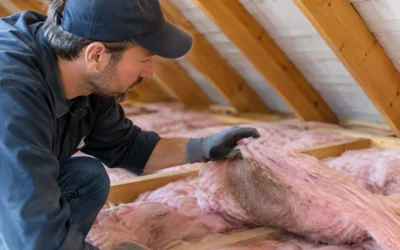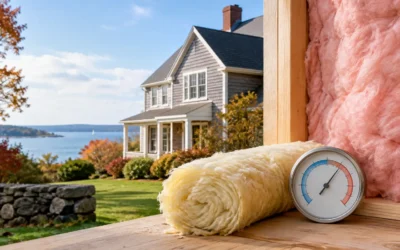

A cold upstairs bedroom, frosted nail heads in the attic, and thick ice ridges along the roofline often point to the same problem: heat is escaping through the top of the house. Attic insulation for cold climates is not simply a matter of adding more material. In New England, it must work with air sealing, moisture management, and the roof assembly to keep homes comfortable through long winters and humid summers.
For homeowners in New Hampshire, Massachusetts, Maine, and Vermont, the attic is one of the highest-impact places to improve building performance. It can reduce heat loss, help stabilize room temperatures, and lessen the conditions that contribute to ice dams. For builders and remodelers, a properly detailed attic assembly also supports code compliance, inspection readiness, and durable project outcomes.
Why Attics Create So Many Cold-Weather Problems
Warm indoor air naturally rises. If the ceiling plane has gaps around wiring, plumbing stacks, recessed fixtures, attic hatches, and framing transitions, that air reaches the attic even when insulation appears thick. The result is more than a higher heating bill.
Air leakage carries heat and moisture into a colder space. When warm, moist air meets cold roof sheathing, condensation or frost can form. Over time, that moisture can stain sheathing, encourage mold growth, corrode fasteners, and compromise wood framing. The escaping heat can also warm the roof surface enough to melt snow. As the water reaches the colder eaves, it refreezes and creates the ice dams that can force water back beneath shingles.
Insulation slows conductive heat flow. Air sealing stops moving air from bypassing that insulation. Both jobs matter. Adding insulation without addressing major leaks is like putting a thicker blanket over an open window.
Start With Air Sealing, Not Just More R-Value
The best attic upgrades begin with an evaluation of the existing conditions. A professional energy audit can identify the leakage paths and temperature differences that are not obvious from the attic floor. In older New England homes, common trouble spots include open wall cavities, dropped soffits, gaps around chimneys, unsealed top plates, attic access panels, and penetrations for bath fans or electrical wiring.
Those openings should be sealed with materials appropriate to their location and temperature exposure. Areas around masonry chimneys require proper clearance and noncombustible detailing. Bath fans should vent outdoors, not into the attic, where they add moisture to an already cold space. Recessed lights need to be evaluated for insulation contact rating before they are covered.
Air sealing also improves the value of the insulation that follows. It helps prevent wind washing at exterior edges, where cold outdoor air can reduce the effective performance of loose-fill insulation. Just as importantly, it helps maintain a more consistent indoor environment instead of allowing a stack effect to pull cold air in through lower levels of the home.
Choosing Attic Insulation for Cold Climates
The right insulation depends on the attic design, access, existing materials, budget, moisture conditions, and project goals. There is no single product that is best for every building.
Blown Cellulose for Open Attic Floors
Dense, even coverage of blown cellulose is a practical choice for many vented attics. It fills around framing and irregular spaces more completely than batts alone, making it well suited to older attics with uneven joist bays. Cellulose can also be a sustainable option because it is commonly made from recycled paper fiber treated for fire resistance.
For a cold-climate attic floor, installers often target insulation levels in the R-49 to R-60 range, although the required level depends on local code, the existing assembly, and the project scope. Depth markers and proper coverage are essential. A thin area around the perimeter or a compressed section near a storage platform can undermine the performance of the entire upgrade.
Fiberglass for Straightforward Assemblies
Fiberglass batts or blown fiberglass can perform well when installed carefully. Batts are often useful in accessible, consistently framed cavities, while blown fiberglass can provide broad, uniform attic-floor coverage. The key is fit. Gaps, voids, compression, and insulation tucked behind obstructions reduce the actual R-value.
Fiberglass does not stop air movement on its own, so thorough air sealing remains necessary. This is especially relevant around attic hatches, mechanical penetrations, and the transition between the attic floor and exterior walls.
Mineral Wool Where Fire and Moisture Resistance Matter
Mineral wool offers strong thermal performance along with fire resistance and sound-control benefits. It is often valuable around areas that need a more durable, moisture-tolerant material, including certain rim, wall, and roof transitions. For attic applications, it can be part of a targeted solution where building details or fire-safety considerations call for it.
Spray Foam for Complex Rooflines and Air Control
Spray foam can provide insulation and air sealing in one installed system. It is especially useful for complex rooflines, cathedral ceilings, conditioned attics, and areas where conventional insulation cannot achieve a continuous air barrier. High-performance HFO spray foam can deliver substantial R-value in limited space, which is helpful when roof framing depth is restricted.
However, foam should be selected as part of a complete roof-assembly plan, not as a default answer. Applying spray foam to the underside of roof sheathing changes how the attic manages heat and moisture. A formerly vented attic may become an unvented conditioned space, which requires careful attention to roof condition, code requirements, combustion equipment, and ventilation strategy. Experienced installers can determine whether that approach fits the building or whether a sealed, insulated attic floor is the better investment.
Ventilation, Moisture, and the Ice Dam Question
A vented attic needs a clear path for outside air to move from soffit vents toward ridge or roof vents. That airflow helps keep roof sheathing colder in winter and allows incidental moisture to dry. Insulation must not block soffit vents, which is why properly installed ventilation baffles are important at the eaves.
Ventilation is not a substitute for air sealing. If warm house air is leaking into the attic, adding more roof vents will not solve the source of the problem. It may even increase cold airflow through an attic while leaving the thermal boundary unaddressed.
Ice dams are similarly misunderstood. Roof raking can remove snow after a storm, but it does not correct the heat loss that caused uneven melting. A durable solution generally includes sealing ceiling-plane leaks, bringing attic insulation to the needed level, maintaining intended ventilation where applicable, and correcting localized trouble spots such as poorly insulated knee walls or skylight shafts.
Details That Protect Real-World Performance
Attic insulation works best when it remains continuous. An insulated attic hatch should be weatherstripped and sealed tightly when closed. Storage decks should be raised above the insulation rather than compressing it beneath plywood. Ductwork located in an unconditioned attic should be sealed and insulated, since leaky ducts can waste conditioned air and create comfort problems below.
Existing insulation deserves a close look before new material is installed. Dirty or matted insulation may indicate air leakage. Wet insulation should not simply be covered, because the moisture source must be found and corrected first. Homes with suspected vermiculite insulation should be evaluated carefully before disturbance, as it may contain asbestos.
For renovation and new-construction projects, insulation details need to align with local requirements and the approved assembly. State and municipal codes can differ, and the correct approach may vary between a full attic renovation, a roof replacement, a conditioned attic conversion, and a simple attic-floor upgrade.
When a Professional Assessment Makes Sense
A homeowner can often spot obvious thin insulation or an unsealed attic hatch, but many of the most costly issues are hidden. An energy audit, visual attic inspection, and building-performance assessment can reveal where heat is actually moving, whether moisture is present, and which upgrade will produce the most meaningful result.
Colonial Insulation helps property owners and construction professionals evaluate these conditions before recommending blown cellulose, fiberglass, mineral wool, spray foam, or a combination of systems. The goal is not to sell the thickest insulation layer. It is to create a reliable thermal boundary that supports lower heating demand, healthier indoor air, balanced temperatures, and a roof assembly built for New England weather.
If your home has cold rooms, recurring ice dams, high winter fuel bills, or visible attic frost, treat those signs as useful building information. A careful attic assessment can turn them into a clear plan for a warmer, drier, more dependable home.