
A New England home can feel sticky and uncomfortable even when the thermostat is set low. That is because air conditioning must do more than lower the temperature. It must also remove moisture from the air. To reduce humid summer energy use, focus on the building envelope first, then make sure your cooling and ventilation equipment are working with that envelope instead of fighting it.
A lower electric bill is a valuable result, but comfort is usually the first sign that the right improvements are working. Rooms stay more even, the AC runs in longer and more effective cycles, and basement or attic moisture becomes easier to control. The best approach depends on the age of the building, its insulation levels, ductwork, mechanical equipment, and the source of unwanted moisture.
Why Humidity Raises Summer Cooling Costs
When warm, humid outdoor air enters through gaps around attic penetrations, rim joists, plumbing openings, doors, and other weak points, your air conditioner has to cool that air and remove its moisture. That added moisture load can keep the system running long after the indoor temperature has reached its set point.
Air leakage also creates uneven conditions. A second-floor bedroom may be hot and humid while the first floor feels overcooled. Turning the thermostat down may provide temporary relief, but it often increases energy use without addressing why the room is uncomfortable.
Insulation matters in summer for a related reason. Heat moves through poorly insulated attics, roofs, walls, and floors, warming interior surfaces and making air conditioning work harder. In New England, a home needs to perform through cold winters and humid summers. Improvements should manage heat flow, air movement, and moisture as one connected system.
Start With Air Sealing Before Adding More Cooling
Air sealing is often one of the most cost-effective ways to reduce humid summer energy use. It limits the amount of hot, moisture-laden air entering the conditioned space while also preventing cooled air from escaping.
The highest-value locations are rarely obvious from inside the living area. Attic bypasses around recessed lights, wiring, chimneys, top plates, and vent stacks can allow substantial airflow. Basement rim joists, sill plates, foundation penetrations, and connections between an attached garage and the home are also common leakage points.
A professional energy audit can identify these pathways more reliably than a visual inspection alone. Blower-door testing helps reveal how the building is exchanging air, while infrared imaging and field experience can help pinpoint insulation gaps and thermal weak spots. The goal is not to make a house unable to breathe. The goal is to control where and how fresh air enters, rather than paying to condition random outdoor air leaking through the structure.
Choose Materials That Fit the Assembly
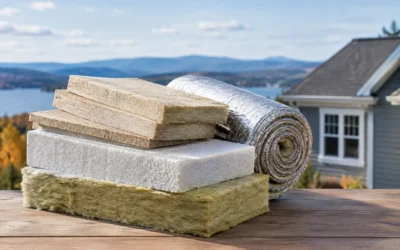
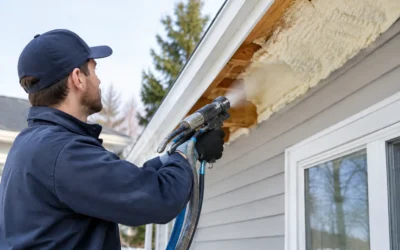
Different areas call for different insulation and air-sealing solutions. Spray foam can provide insulation and air sealing in one application, making it particularly useful at rim joists, irregular cavities, rooflines, and hard-to-reach transitions. Modern HFO spray foam delivers high R-value performance with a lower environmental impact than older blowing-agent technologies.
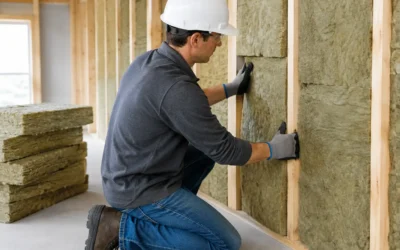
Blown cellulose, fiberglass, and mineral wool can also be excellent choices when paired with careful air sealing. Cellulose works well for dense-packing existing wall cavities and improving attic coverage. Mineral wool offers moisture resistance and fire performance, while fiberglass remains a practical option for many walls, ceilings, and commercial assemblies. The right material is the one that meets the building’s needs, code requirements, and budget without creating a moisture-management problem.
Make the Attic a Priority
In summer, the attic is often the hottest part of the home. Solar gain can drive attic temperatures far above outdoor conditions, and heat then moves down through the ceiling plane. If the attic floor has thin, settled, or uneven insulation, conditioned rooms below will feel the effect.
Before adding insulation, air-seal the ceiling plane. Covering leaks with more insulation does not stop humid air from moving into the attic and can make future repairs harder. Once openings are sealed, insulation can be installed or leveled to achieve the appropriate R-value for the assembly and local code expectations.
Attic ventilation also deserves a careful assessment. A vented attic needs a clear path for outside air to move from soffit intake to ridge or roof exhaust. But ventilation is not a substitute for air sealing. Outdoor humidity should remain outside the home, and indoor conditioned air should not be leaking into the attic.
Use Cooling Equipment for Moisture Control, Not Just Temperature
An air conditioner that is oversized for the space can cool a home quickly but shut off before removing enough moisture. This short cycling can leave rooms clammy, increase wear on the equipment, and create inconsistent temperatures. On the other hand, an undersized or poorly maintained system may run continuously on the hottest days without reaching a comfortable indoor condition.
Equipment sizing should account for the home’s actual heat gain after envelope improvements, not a rough square-footage rule. If major air sealing or insulation work is planned, it makes sense to complete that work before replacing HVAC equipment whenever possible. A tighter, better-insulated home may need a smaller system than it did before.
Set the thermostat to a practical temperature and avoid large setbacks during humid weather. Letting the house get very warm and then asking the AC to rapidly recover can increase both sensible cooling and dehumidification demand. Ceiling fans can help occupants feel comfortable at a slightly higher set point, but they cool people, not rooms. Turn them off when a room is empty.
Control Moisture in Basements and Crawl Spaces
A damp basement can add moisture to the entire house. That moisture may come from foundation seepage, uninsulated cold surfaces, exposed earth in a crawl space, plumbing leaks, or humid outdoor air entering through open windows and gaps.
Start with drainage and water management outside. Gutters, downspouts, grading, and foundation details should move water away from the building. Inside, air-sealing and insulating rim joists can reduce humid air intrusion and condensation risk. In some spaces, a properly sized dehumidifier is appropriate, particularly when the basement is not fully conditioned.
Crawl spaces require a more specific plan. Venting a crawl space may not improve conditions during a humid New England summer, because it can introduce more moisture. Encapsulation, ground vapor barriers, insulation, controlled air sealing, and dehumidification may be more effective depending on the foundation design and local conditions.
Avoid the Common Summer Energy Mistakes
Closing supply registers in unused rooms, relying on window AC units while major leaks remain open, and setting the thermostat extremely low are common responses to discomfort. They can raise costs or create pressure imbalances that pull more humid air into the house.
Likewise, adding insulation without evaluating air leakage can leave much of the problem untouched. Insulation slows heat transfer. Air sealing stops uncontrolled air movement. In a humid climate, both are needed for dependable results.
For builders and remodelers, these details are especially important at additions, roof transitions, knee walls, cantilevers, and renovated basements. A continuous thermal and air-control layer protects comfort, helps avoid moisture-related callbacks, and supports first-pass inspection performance.
Build a Plan Around Your Home
The most effective upgrades are based on evidence, not guesses. A home with a hot upstairs may need attic air sealing and insulation. A house with a musty basement may need moisture control at the foundation and rim joist. A newer home with humidity issues may need HVAC commissioning or ventilation adjustments rather than more insulation.
Colonial Insulation helps New England property owners evaluate these connected issues and select insulation and air-sealing solutions that make sense for the structure. A focused assessment can clarify where energy is being lost, which improvements should come first, and how to create more reliable comfort through the next humid summer.