by Christopher Stewart | Jul 28, 2026 | Uncategorized
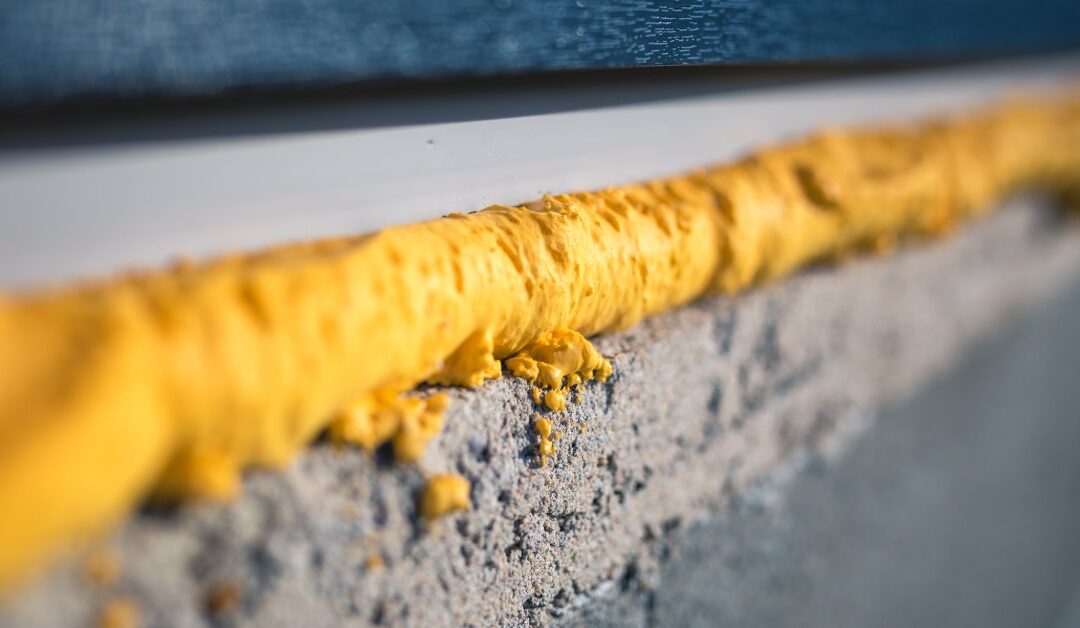
You might assume that adding more insulation will solve every comfort problem in your home, but hidden air leaks can reduce the value of that investment. Before you move forward with air sealing and adding insulation, it helps you to understand how those two...
by | Jul 28, 2026 | Uncategorized
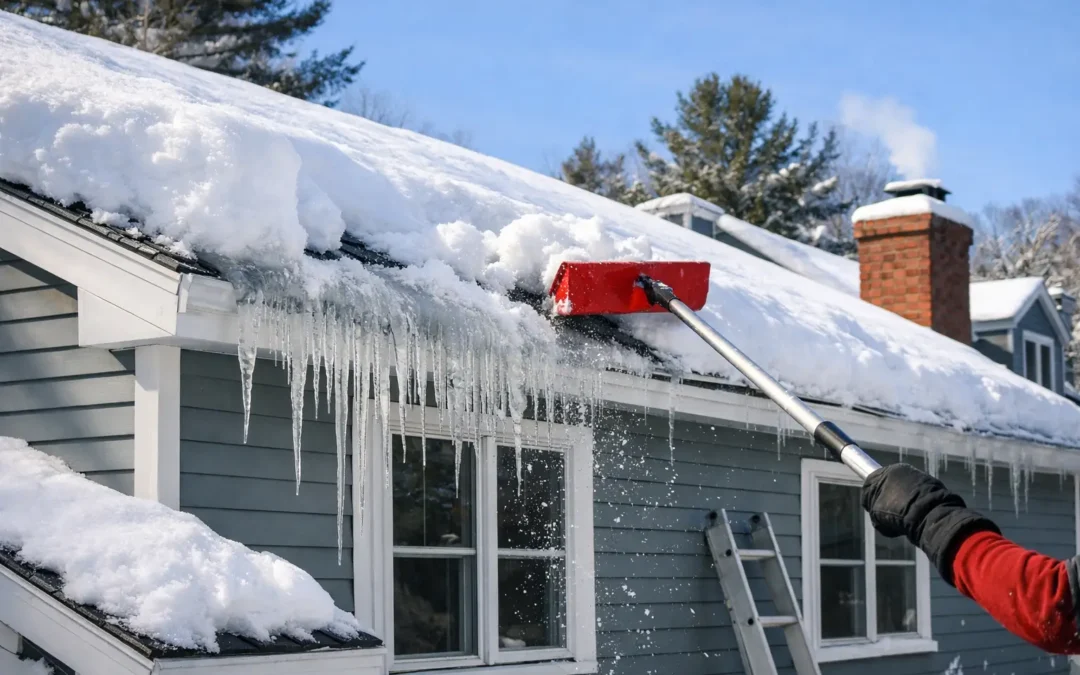
A thick ridge of ice along the eaves may look like a normal New England winter problem, but it can force melting water beneath shingles, wet insulation, stain ceilings, and damage walls. To prevent ice dams, the goal is not simply to remove snow from the roof. It is...

by | Jul 27, 2026 | Uncategorized
A cold bedroom over the garage, ice dams at the eaves, and a furnace that seems to run without relief are rarely problems homeowners plan for in the budget. Insulation financing for homeowners can make it possible to correct those building-envelope issues now, rather...

by | Jul 26, 2026 | Uncategorized
A bedroom that is 62 degrees while the thermostat reads 70 is not just an annoyance. It is a sign that heat is moving through your home differently from room to room. Understanding why rooms have uneven temperatures helps homeowners and builders avoid temporary fixes...
by | Jul 25, 2026 | Uncategorized
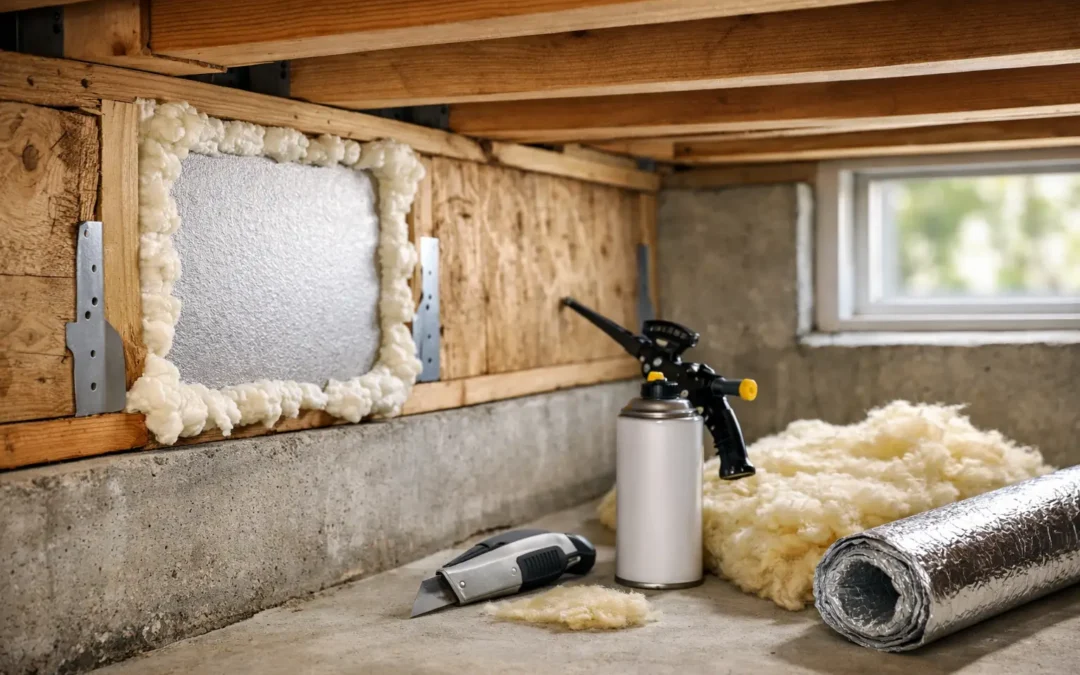
A cold first-floor room is often blamed on old windows or weak attic insulation. But in many New England homes, the real problem is lower down: the narrow wood-framed area above the foundation wall. Learning how to insulate rim joists correctly can close one of the...
by | Jul 24, 2026 | Uncategorized
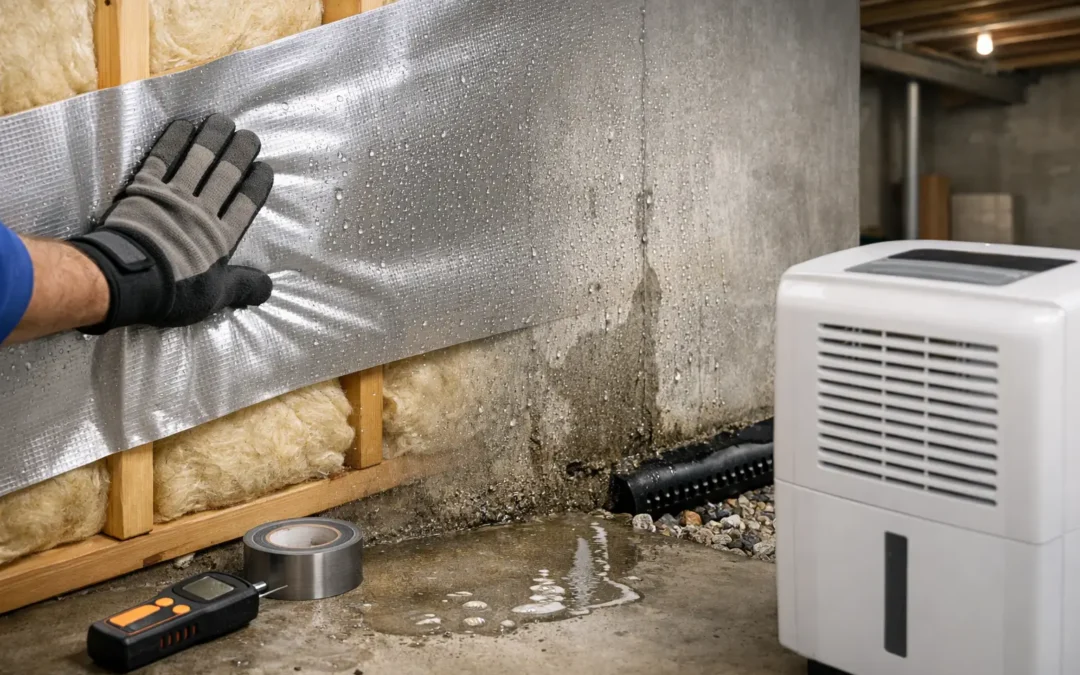
A basement can feel cold and clammy even when the furnace is working hard upstairs. In New England, that discomfort often comes from more than low R-value. Basement insulation moisture control requires managing bulk water, humid air, air leakage, and insulation...
by | Jul 23, 2026 | Uncategorized
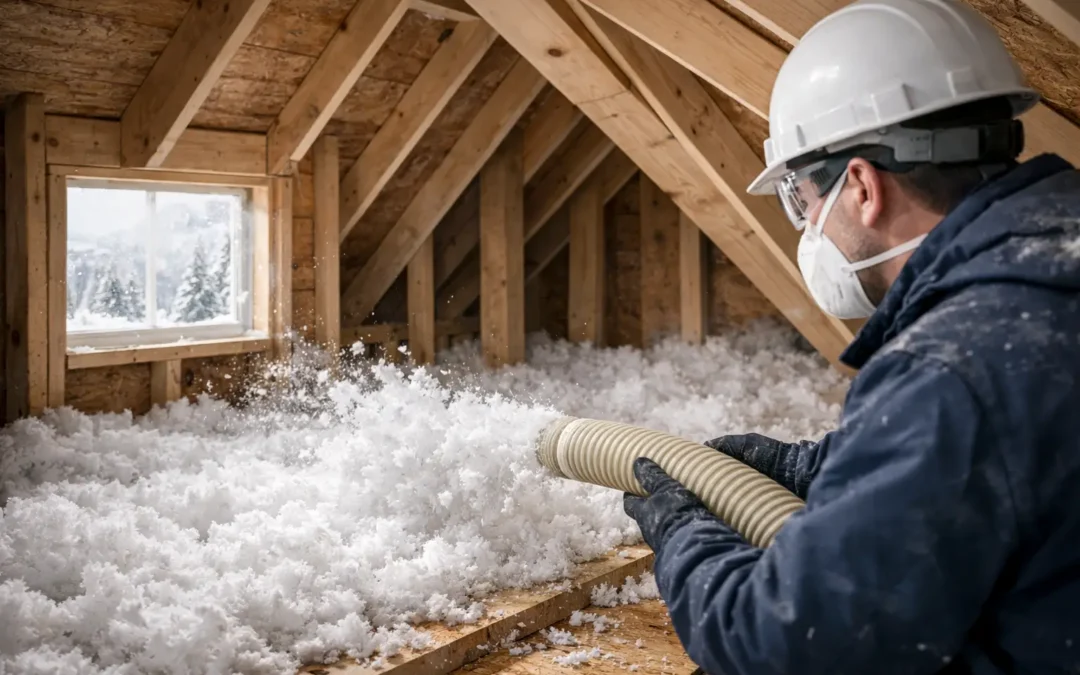
A cold upstairs bedroom, frosted nail heads in the attic, and thick ice ridges along the roofline often point to the same problem: heat is escaping through the top of the house. Attic insulation for cold climates is not simply a matter of adding more material. In New...
by | Jul 22, 2026 | Uncategorized
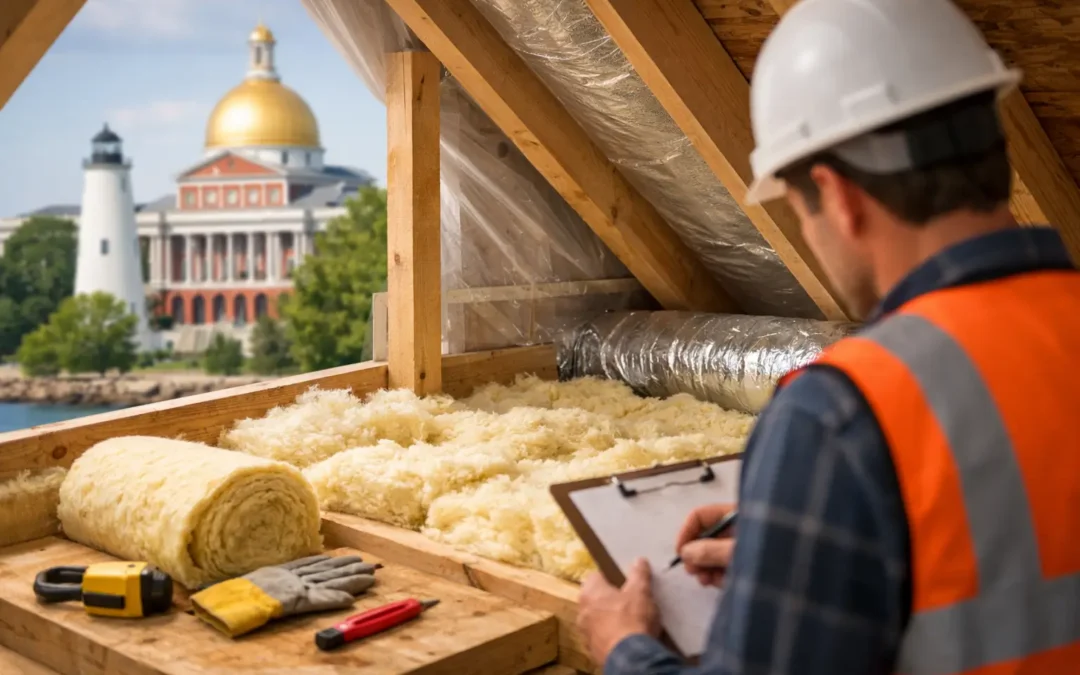
A Massachusetts insulation inspection can be delayed long before the inspector arrives. Missing documentation, compressed batts, unsealed attic penetrations, or an insulation value that does not match the approved plans can all create avoidable corrections....

by | Jul 21, 2026 | Uncategorized
A cold second-floor bedroom, ice dams at the eaves, and an overworked boiler often point to the same underlying problem: an underperforming building envelope. HFO spray foam benefits property owners by insulating and air-sealing in one application, helping New England...
by | Jul 20, 2026 | Uncategorized
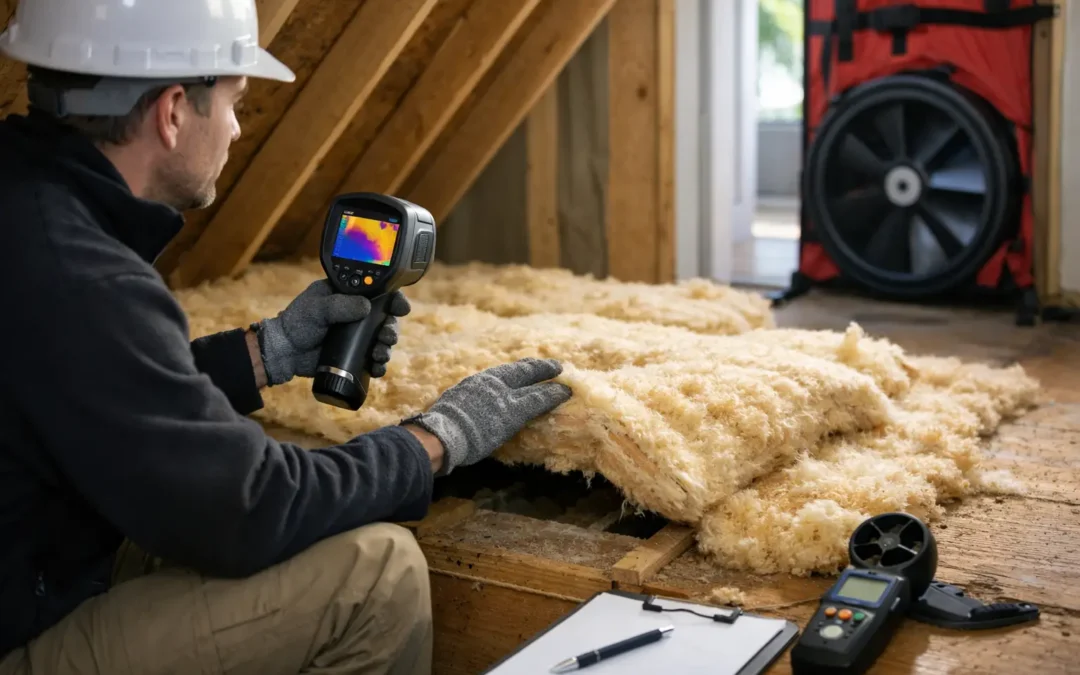
A bedroom that feels cold even with the thermostat set to 70 degrees is rarely just a “not enough insulation” problem. In New England homes, the cause is often a combination of air leakage, gaps around framing, compressed or damp insulation, and attic bypasses that...