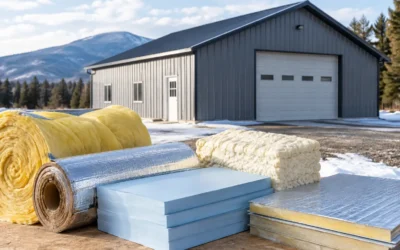

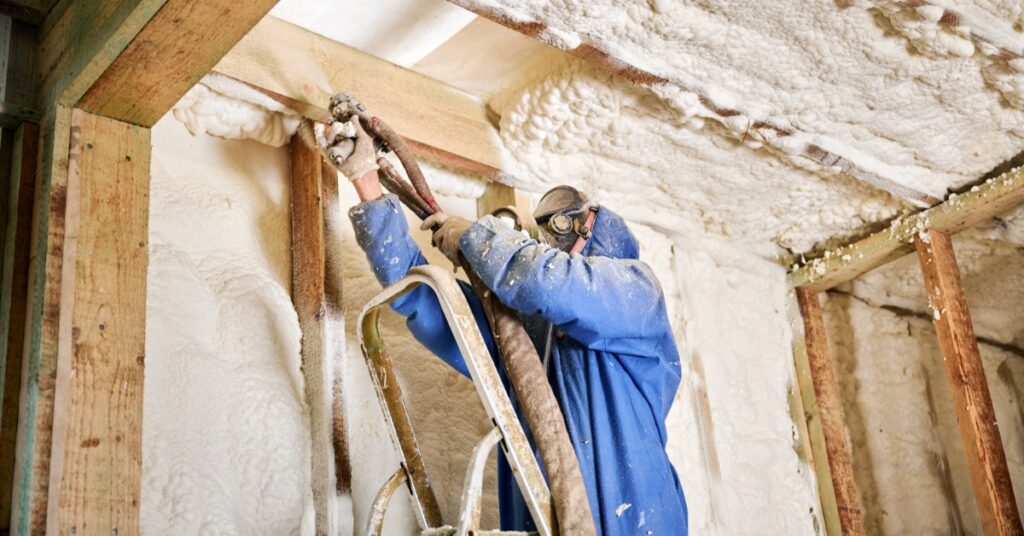
A home that holds onto conditioned air gives you greater control over comfort and energy use throughout the year. Spray foam insulation can support that goal by providing thermal resistance while reducing air movement through gaps in the building envelope. When you invest in spray foam insulation, the long-term benefits can extend well beyond the first heating or cooling season. Looking at those lasting effects can help you decide where spray foam fits into your plans for the home.
Improve Your Home’s Efficiency
Keeping your home comfortable becomes harder when conditioned air escapes through openings in the building envelope. Spray foam expands during installation, allowing it to fill gaps while providing insulation in the same area. As a result, you can reduce unwanted air movement that makes it harder to maintain indoor temperatures.
That performance has lasting value because insulation doesn’t require energy to provide thermal resistance once it’s installed. You still need proper ventilation and moisture management as part of a complete building strategy. However, a well-insulated and air-sealed envelope can help you manage heating and cooling needs over time.
Control Unwanted Air Leakage
You may notice air leakage most easily when a room develops a draft, but smaller openings throughout the house also affect performance. Spray foam can seal irregular spaces where conventional materials may require separate air-sealing work. Once you address those pathways, less unwanted outdoor air enters your home and adds to your heating or cooling needs.
Get More Lasting Value
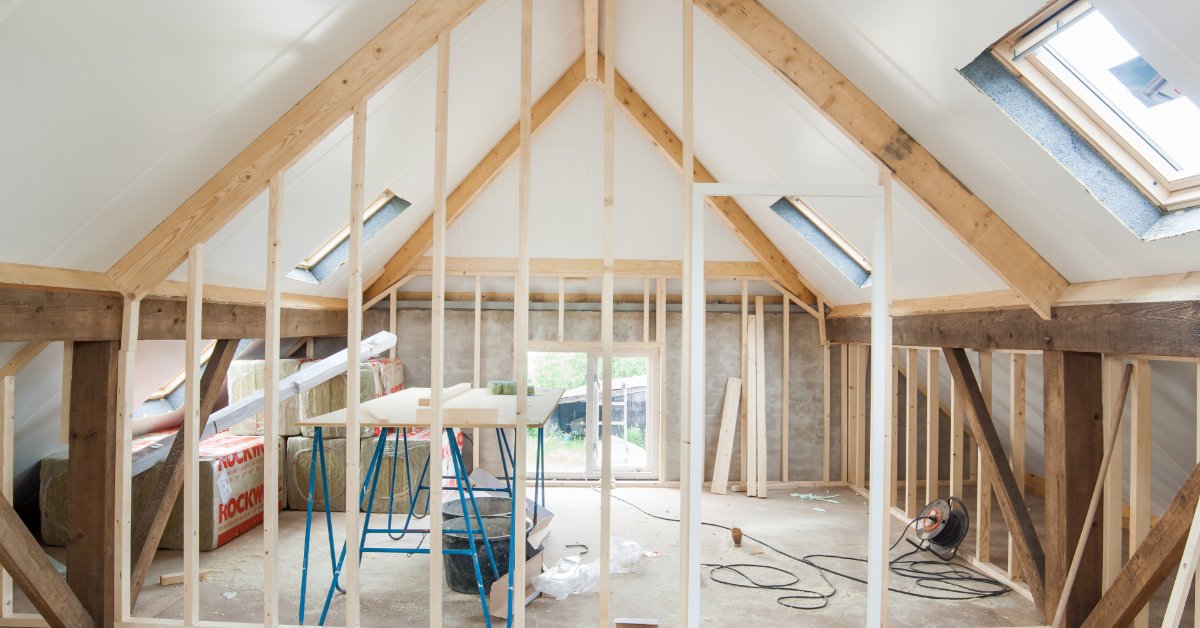
When comparing home improvements, consider what each one can provide years after installation. If you invest in spray foam insulation, the long-term benefits can include lasting thermal resistance and air-sealing performance when you choose the right product and have it installed correctly. You’re improving the building envelope rather than adding equipment that requires daily operation.
Spray foam may also make sense when you’re renovating areas that will become difficult to access once construction ends. Wall cavities and finished roof assemblies become harder to access once drywall or other finishes go up. Choosing the appropriate insulation during a renovation gives you an opportunity to address those spaces while they remain accessible.
Think Beyond Initial Cost
Spray foam may require a higher upfront investment than some other insulation options, so price deserves careful consideration. However, installation price alone doesn’t tell you what an insulation choice may provide over its service life. You should consider the condition of the building, the area that needs insulation, and the performance you want from that space. A professional evaluation can help you determine if spray foam provides enough practical value to justify the cost for your project.
Know Where Foam Helps
Spray foam may be useful when you need insulation to conform to irregular surfaces or help control air leakage. Still, it isn’t automatically the right material for every part of every building. Your home’s construction and moisture conditions should guide the decision.
Several situations may make spray foam worth discussing with an insulation professional, such as:
- Sealing gaps around rim joists and similar assemblies
- Insulating rooflines in appropriate attic designs
- Filling irregular cavities that are difficult to insulate
- Reducing air movement through accessible envelope gaps
- Improving insulation during certain renovation projects
Choose the Right Foam
When you’re considering New England spray foam for your home, choosing between open-cell and closed-cell foam depends on where the material will go and what the building assembly requires. Open-cell foam has a lower density, while closed-cell foam has a denser structure and provides greater thermal resistance per inch. Those differences make each option better suited to certain applications rather than making one the automatic choice for every project.
Moisture behavior also plays a role in that decision. Closed-cell foam can provide greater resistance to water vapor at sufficient thickness, while open-cell foam remains vapor permeable. Considering those characteristics alongside the surrounding construction can help you choose a product that works appropriately within the assembly.
Match Foam to the Assembly
A good installation starts with selecting a material that works with the surrounding construction. You shouldn’t treat open-cell and closed-cell spray foam as interchangeable because the two formulations perform differently. Climate also influences decisions about vapor control within the assembly. An experienced installer should consider those conditions rather than recommending the same foam for every project.
Support Consistent Indoor Comfort

Temperature differences between rooms may prompt you to adjust the thermostat when air leakage or inadequate insulation is contributing to the problem. When properly applied, spray foam reduces unwanted air movement, and your home may maintain conditioned air more effectively. That improvement can help you maintain more consistent comfort during New England winters.
The same building-envelope concerns continue during summer. Outdoor heat and humid air can enter through gaps that connect conditioned rooms with attics or other unconditioned areas. Addressing those pathways helps limit unwanted air exchange between conditioned and unconditioned spaces.
Pay Attention to Installation
Installation quality matters because spray foam needs proper application to perform as intended. Professionals must prepare the area and apply the product according to its requirements. Building conditions also deserve attention because insulation shouldn’t serve as a shortcut around existing water problems or other necessary repairs. Careful planning gives the finished assembly a better chance to perform as intended for years.
Plan Around Future Energy Costs
Fuel prices are on the rise, making home heating costs difficult to manage from one season to the next. Addressing the parts of your home that waste conditioned air can help. Improving the building envelope may reduce the amount of heating or cooling needed to maintain your preferred indoor temperature. A more efficient building envelope can continue reducing unnecessary heating and cooling demand as energy prices change.
Here are several questions worth considering as you plan an insulation upgrade:
- Where does your home currently lose conditioned air?
- Which areas have inadequate or damaged insulation?
- Does the project require open-cell or closed-cell foam?
- Are moisture issues present before installation begins?
- Will the planned assembly provide appropriate vapor control?
When considering insulation, look beyond the installation itself and think about your home’s performance in the years ahead. Spray foam can provide lasting thermal resistance and air-sealing performance when you use the right product in an appropriate building assembly. Colonial Insulation works with homeowners throughout New England to match insulation materials to the needs of each project. If you’re considering spray foam, schedule an evaluation with us to find out where it makes sense in your home and what the project could accomplish.