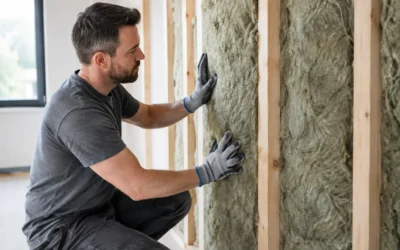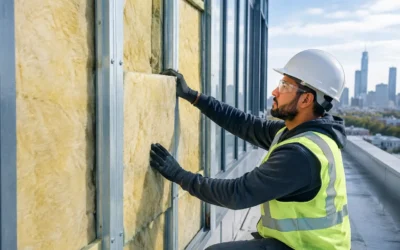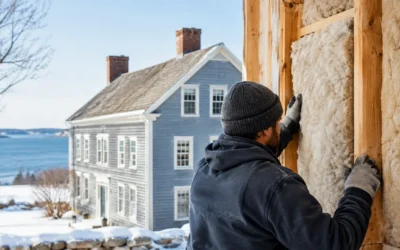

A second-floor bedroom that runs cold every winter is rarely solved by turning up the thermostat. The issue is often in the building envelope: missing coverage, compressed batts, open gaps around wiring, or attic air leakage. Fiberglass insulation remains a practical, proven option for many New England homes and construction projects, but its performance depends heavily on where and how it is installed.
Where Fiberglass Insulation Works Best
Fiberglass is made from fine glass fibers formed into batts, rolls, or loose-fill material. It slows heat transfer, helping heated air stay inside during a New Hampshire or Maine winter and reducing unwanted heat gain during humid summer weather. It is commonly used in exterior walls, attic floors, ceilings, interior partitions, basement rim areas, and framed additions.
For builders and remodelers, fiberglass batts can be an efficient fit for standard stud and joist cavities. Available in different thicknesses and R-values, they can be selected to meet the assembly requirements of a specific project. The right product and installation approach will depend on framing depth, local code, wall design, and whether the cavity also needs an air or moisture-control layer.
For homeowners, the benefit is straightforward: properly installed insulation can help reduce drafts, stabilize room-to-room temperatures, and lower the workload on heating and cooling equipment. Fiberglass can also provide useful sound control between bedrooms, offices, bathrooms, and multi-unit spaces.
R-Value Matters, but Coverage Matters Too
R-value measures resistance to heat flow. A higher R-value generally provides greater thermal resistance, but the number on the insulation package is not the entire story. A batt that is squeezed behind plumbing, cut too short, or left with open edges cannot deliver its intended performance.
This is especially relevant in older New England homes, where framing may be irregular and hidden cavities can be difficult to access. An attic may appear insulated from above while still allowing substantial air movement through top plates, recessed lights, plumbing penetrations, and access hatches. Insulation slows heat flow. Air sealing addresses the paths that carry heated or cooled air out of the home.
That is why a building-performance approach often pairs fiberglass insulation with targeted air sealing. Addressing both can produce more dependable comfort than adding insulation alone, particularly in drafty capes, colonials, converted attics, and additions.
Batts vs. Blown Fiberglass
Fiberglass batts are pre-sized for common framing cavities and work well when the cavity is open and accessible. They are frequently used in new construction, remodels with exposed studs, and interior walls where sound reduction is a priority.
Blown fiberglass is often a better choice for open attic floors or areas where complete, even coverage is needed around framing obstructions. It can be installed to the specified depth for the target R-value, making it useful when upgrading an underinsulated attic without opening finished ceilings.
Neither format is automatically the best answer. A tight, complex roofline, damp foundation area, or difficult rim joist may call for another material or a combined insulation strategy. Spray foam, mineral wool, cellulose, and fiberglass each have appropriate applications based on moisture exposure, fire-resistance needs, access, budget, and required performance.
Common Installation Problems to Avoid
Fiberglass is only as effective as the installation. Gaps around electrical boxes, voids at the ends of batts, and insulation tucked behind rather than around pipes all create weak points. Batts should fill the cavity without being overly compressed, and facings must be installed in the correct direction for the assembly.
Moisture management also deserves attention. New England buildings face long heating seasons, snow loads, wind-driven rain, and summer humidity. The wall or roof assembly must be designed to control vapor, bulk water, and air movement without trapping moisture where it can contribute to mold or material deterioration.
For contractors, these details affect more than energy performance. Clean installation, correct R-values, and properly addressed penetrations support code compliance and help prevent inspection delays. For homeowners, they protect the value of an insulation investment and reduce the risk of recurring comfort complaints after a renovation.
When to Consider an Insulation Assessment
Cold floors, ice dams, uneven temperatures, persistent drafts, high utility bills, and rooms that never seem to match the thermostat are all reasons to evaluate the insulation system. So are major remodeling projects, attic conversions, and plans to finish a basement or build an addition.
A professional assessment can identify whether fiberglass insulation is the right material, where air leakage is occurring, and which upgrades will provide the greatest return. Colonial Insulation helps property owners and construction teams match insulation strategies to the demands of New England buildings, with attention to comfort, code requirements, moisture control, and project schedules.
Before adding more material, make sure the existing assembly is understood. The best insulation upgrade is the one that closes the right gaps, manages moisture correctly, and keeps the building comfortable through every season.