
A roof can look perfectly snow-covered from the street while a costly problem is developing at its edge. The cause of ice dams, lack of insulation, is often part of the story, but the real issue is usually a warmer-than-it-should-be attic floor. Heat escaping from living spaces melts snow higher on the roof. That water runs down to the colder eaves, refreezes, and gradually forms a ridge of ice that can force water back beneath shingles.
For New Hampshire, Massachusetts, Maine, and Vermont property owners, ice dams are not simply a nuisance after a heavy storm. They can lead to stained ceilings, damaged insulation, wet framing, peeling paint, mold-friendly moisture conditions, and premature roof repairs. Addressing the building-envelope conditions that create them is far more dependable than treating the visible ice alone.
How Lack of Insulation Causes Ice Dams
Insulation slows the movement of heat from conditioned rooms into unconditioned attic space. When there is too little insulation, when it has settled over time, or when it is unevenly installed, heat reaches the underside of the roof deck more easily. The roof surface warms enough to melt the bottom layer of snow, even when outdoor temperatures remain below freezing.
The melted water travels downhill until it reaches the roof overhang. Because eaves extend beyond the heated portion of the home, they tend to stay cold. The water freezes there, building a dam that blocks additional runoff. Water then pools behind the ice and may work its way under roofing materials.
The cause of ice dams is often described as lack of insulation, and that is directionally correct. Still, insulation alone does not tell the whole story. A properly insulated attic with significant air leakage can still lose enough heat to create roof hot spots. Likewise, adding insulation without correcting air leaks may conceal problems while allowing warm, moist air to continue entering the attic.
Air Leaks Often Make the Problem Worse
The largest heat losses are frequently not through the middle of an insulated ceiling. They occur through openings and gaps around the ceiling plane: plumbing penetrations, electrical boxes, attic hatches, recessed lighting, chimney chases, duct runs, dropped soffits, and wall-top plates.
Warm indoor air naturally rises during the heating season. If it can escape into the attic, it carries both heat and moisture. That focused heat creates uneven melting patterns across the roof, while the moisture can condense on cold roof framing or sheathing. Over time, this can contribute to damp insulation, wood staining, and reduced overall attic performance.
This is why a building-performance approach starts with air sealing before adding insulation. Sealing accessible bypasses creates a more continuous thermal and air boundary. Once those leaks are addressed, insulation can do its job more effectively and deliver more consistent room temperatures below.
Why Ice Dams Form on Some Roof Areas First
Ice dams rarely form evenly across every roof edge. A homeowner may see heavy ice above one bedroom, along a garage connection, or near a chimney while the rest of the roof appears normal. Those patterns are useful clues.
A warm area may point to missing or compressed insulation, an unsealed attic bypass, ductwork running through an unconditioned space, or a poorly insulated cathedral ceiling. Complex rooflines can also make proper insulation and ventilation more difficult. Dormers, valleys, bump-outs, skylights, and transitions between older and newer construction often contain thermal gaps that deserve close attention.
Recessed lights in older homes are another common concern. Some fixtures create pathways for air movement or cannot safely be buried under insulation without confirming their rating and clearance requirements. A professional assessment helps identify which details can be sealed and insulated safely, rather than relying on a one-size-fits-all attic upgrade.
Ventilation Helps, but It Is Not a Standalone Cure
Attic ventilation is an important part of many roof assemblies. Intake ventilation at soffits and exhaust ventilation near the ridge can help remove moisture and reduce excessive attic heat when designed as a balanced system. Clear ventilation channels also support roof durability.
However, ventilation cannot reliably solve an ice-dam problem caused by major air leakage or inadequate insulation. If large volumes of heated indoor air are entering the attic, adding more roof ventilation may not overcome that heat loss. In some cases, it can even make rooms below feel draftier if the ceiling plane remains poorly sealed.
The right order is generally straightforward: control indoor air leakage, install sufficient and continuous insulation, then confirm that the attic ventilation path is appropriate for the roof design. Insulation should not block soffit intake vents. Proper baffles maintain an air channel from the eaves while allowing full insulation depth at the attic perimeter.
The Right Insulation Solution Depends on the Home
There is no single insulation material that fits every ice-dam repair. The best approach depends on attic access, framing depth, existing materials, moisture conditions, roof geometry, and the project budget.
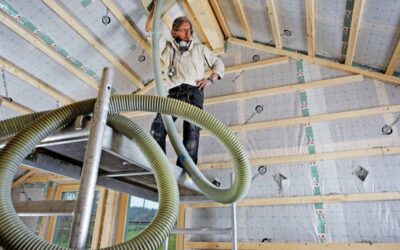
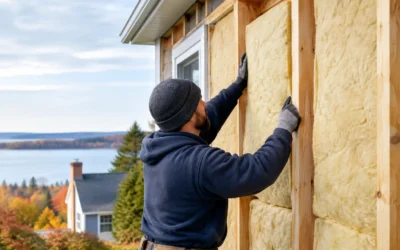
Blown cellulose is often an effective choice for open attic floors after air sealing. It fills around framing and can provide even coverage across large areas. Fiberglass can also perform well when installed at the right depth and without gaps or compression. Mineral wool offers strong thermal performance and fire resistance in many assemblies.
Spray foam may be appropriate for difficult-to-access areas, rim joists, cathedral ceilings, or roofline applications where air control and high R-value are needed in limited space. Modern HFO spray foam can provide high thermal performance while helping reduce air movement through irregular cavities. It must be selected and installed with the full roof and moisture-management strategy in mind.
For builders and remodelers, the key is continuity. Insulation needs to align with the home’s air barrier, roof ventilation details, and applicable state and local code requirements. A high nominal R-value does not deliver its intended result when installation leaves voids, thermal bridges, or unsealed penetrations.
What to Do When an Ice Dam Is Already Present
An existing ice dam should be handled carefully. Chopping at ice with an axe, shovel, or metal tool can damage shingles, gutters, and flashing, while working from a ladder on icy ground creates an obvious safety risk. Roof raking from the ground can reduce snow load near the eaves when done carefully, but it does not correct the heat loss that created the dam.
If water is entering the home, professional ice-dam removal may be necessary to limit immediate damage. Steam removal is commonly used because it can clear ice without the same level of mechanical damage associated with chipping. Once conditions are safe, inspect the attic and affected interior spaces for wet insulation, roof leaks, stained drywall, or signs of condensation.
Heat cables can keep select drainage paths open in certain situations, but they are a management tool, not a building-envelope repair. They use electricity, require proper installation, and do not stop attic heat from melting snow above the eaves.
A Better Long-Term Plan for New England Homes
The most effective ice-dam prevention plan begins with identifying where heat is leaving the home. An energy audit or attic assessment can reveal insulation depth, air leakage pathways, moisture concerns, and uneven roof temperatures that may not be visible from inside the living space.
From there, the work should focus on the areas with the greatest impact: air sealing the attic floor, improving insulation to appropriate R-values, protecting ventilation channels where needed, and addressing special conditions such as kneewalls, recessed lights, ducts, and cathedral ceilings. This work can also reduce winter heating costs, improve comfort in rooms beneath the attic, and lessen summertime heat gain.
Ice dams are a winter warning that the home’s thermal boundary needs attention. Before the next deep freeze turns roof snow into a leak risk, a qualified insulation specialist can help you identify the real source of heat loss and build a practical plan for a drier, more comfortable home.