
A new home can look finished long before it feels finished. If insulation, air sealing, and moisture control are treated as separate jobs, homeowners may inherit cold bedrooms, summer humidity, noisy living spaces, and higher-than-expected utility bills. New home insulation is the opportunity to get the building envelope right while walls, ceilings, and framing are still accessible.
For New England builders and homeowners, the goal is not simply to install enough material to meet an R-value on paper. It is to create a continuous thermal and air-control layer that performs through subzero winter weather, spring rain, humid summers, and every temperature swing in between.
New Home Insulation Starts With the Whole Envelope
Insulation slows heat transfer, but it cannot do its best work when outdoor air moves freely through gaps around framing, wiring, plumbing penetrations, rim joists, and attic transitions. Air leakage can carry moisture into wall and roof assemblies as well, creating conditions that may contribute to condensation, material deterioration, and uncomfortable drafts.
That is why a sound new-construction plan considers insulation and air sealing together. Before drywall goes up, the installation team should identify the places where the thermal boundary changes or where trades have created openings. Addressing those details early is faster, cleaner, and more cost-effective than opening finished walls later.
The right approach also depends on the home’s design. A simple ranch, a vaulted-ceiling addition, and a high-performance custom home do not have the same insulation challenges. Complex rooflines, cantilevers, attached garages, bonus rooms over garages, and numerous recessed fixtures all deserve specific attention.
Choosing the Right Material for Each Assembly
There is no single best insulation material for every part of a new home. The right recommendation balances required R-value, available cavity depth, air-sealing needs, moisture exposure, budget, sound control, and local code requirements.
Spray Foam for High-Performance Air Sealing
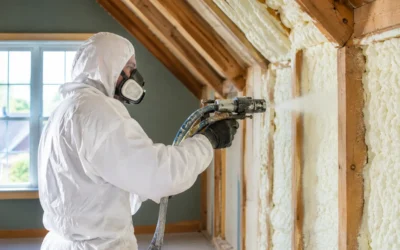
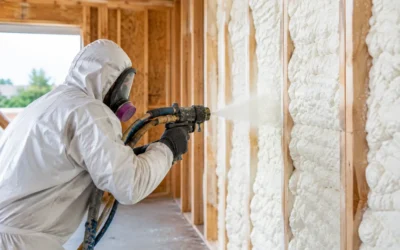
Spray foam insulation expands to fill irregular cavities and can provide insulation and air sealing in one application. Closed-cell HFO spray foam offers a high R-value per inch and adds valuable moisture resistance, making it a strong option for basement walls, rim joists, cathedral ceilings, and areas with limited framing depth.
It is a premium material, so it is not always necessary throughout an entire home. Many successful assemblies use spray foam strategically where air leakage and moisture risk are greatest, then use another insulation type in standard wall or attic cavities.
Cellulose, Fiberglass, and Mineral Wool
Blown cellulose is an effective choice for attic floors and dense-packed wall cavities. It fits around obstructions well and is made with recycled content, appealing to owners seeking a practical, lower-impact material option.
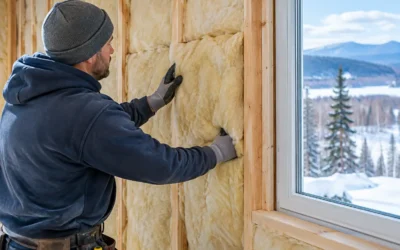
Fiberglass remains a dependable solution when it is properly installed at the correct depth and without gaps, compression, or voids. It can be a cost-conscious choice for standard framed walls, especially when paired with careful air sealing.
Mineral wool offers excellent fire resistance, moisture tolerance, and sound-control properties. It is particularly useful where acoustic privacy or fire performance matters, such as multifamily projects, mechanical areas, and walls between living space and garages.
Meet Code Without Building Only to Code
State and local energy codes establish minimum requirements, but minimum compliance is not always the same as long-term comfort. Builders also need insulation work that supports predictable inspections and avoids schedule interruptions before drywall.
A qualified insulation contractor can help confirm required R-values, identify air-barrier details, and select assemblies appropriate for the project location in New Hampshire, Massachusetts, Maine, or Vermont. This coordination matters because code expectations, climate exposure, and construction methods can vary from one project to the next.
For builders, documentation and dependable sequencing are equally important. Insulation crews should arrive when the building is ready, complete work cleanly, and leave assemblies prepared for inspection. That protects the construction schedule and helps prevent last-minute corrections that affect every trade behind them.
Plan for Comfort Beyond the Heating Bill
A well-insulated home does more than reduce heat loss. It can make upstairs rooms more stable in summer, reduce cold floors over basements or garages, limit outside noise, and help HVAC equipment operate more consistently. When conditioned air stays where it belongs, the home is easier to heat and cool from room to room.
Indoor air quality also benefits when uncontrolled air leakage is reduced. Air sealing helps limit the entry of outdoor pollutants, pollen, dust, and humid air. Proper ventilation still matters – a tighter home should be designed with ventilation in mind – but the homeowner gains more control over where fresh air enters and how it is managed.
Get the Details Right Before the Walls Close
The best time to solve insulation problems is before they become hidden problems. A pre-drywall review can reveal missed air-sealing locations, incomplete cavity coverage, poorly insulated attic transitions, and areas where mechanical or electrical work has interrupted the thermal boundary.
Colonial Insulation helps homeowners, builders, and remodelers select and install insulation systems suited to New England construction. From high-R-value HFO spray foam to cellulose, fiberglass, mineral wool, and targeted air sealing, the focus is on durable comfort, measurable efficiency, and inspection-ready work.
Before the drywall crew arrives, ask whether the home’s insulation plan accounts for air movement, moisture, and the hard-to-reach details. That conversation can shape how the house feels for decades.