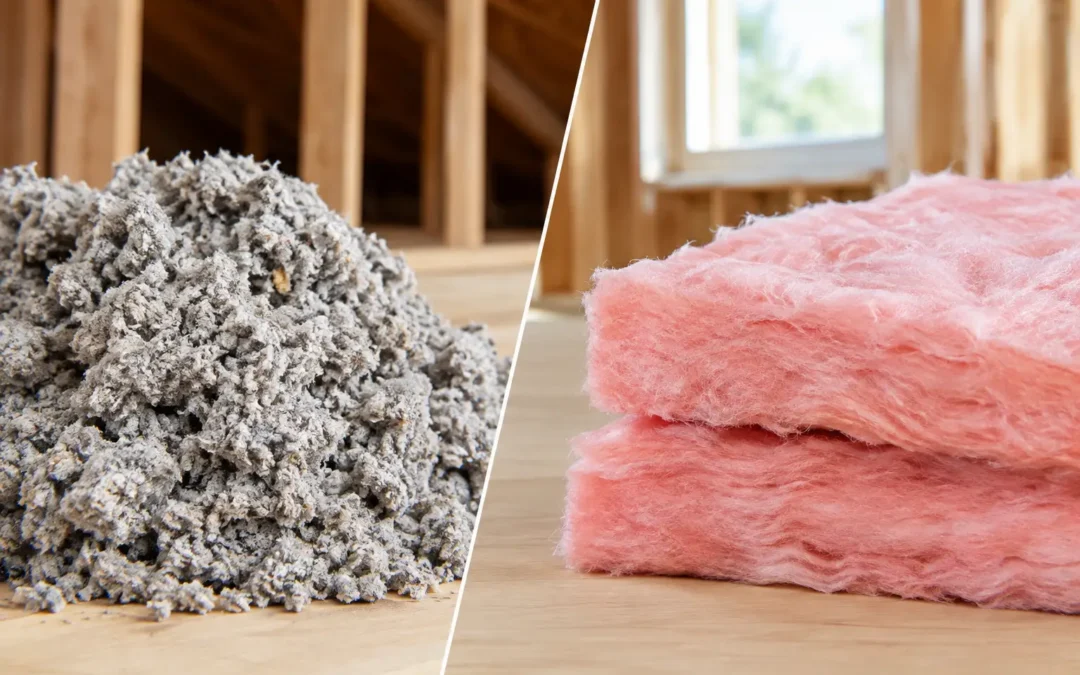
by | Sep 23, 2026 | Uncategorized
A cold bedroom over the garage, ice dams at the eaves, and heating bills that climb every January often point to the same problem: the building envelope is not doing its job. When comparing cellulose versus fiberglass, the right choice is rarely just about the...
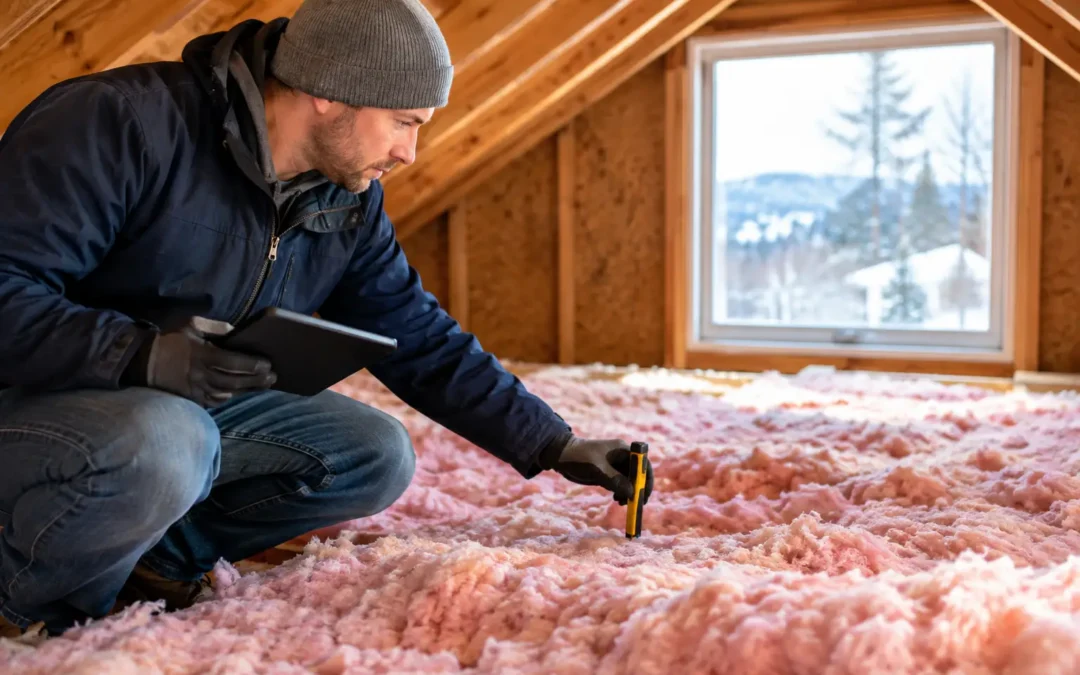
by | Sep 21, 2026 | Uncategorized
A cold upstairs bedroom, ice dams along the roofline, and heating bills that rise faster than expected often point to the same place: the attic. Homeowners asking what R value for attic insulation need are asking the right question, but R-value alone does not tell the...

by | Sep 19, 2026 | Uncategorized
A five-star review can tell you whether a crew arrived on time and treated a home with respect. It cannot always tell you whether the crew found the attic bypasses causing ice dams, sealed a rim joist without trapping moisture, or verified results after the work was...

by | Sep 17, 2026 | Uncategorized
A living room can feel cold even when the thermostat reads 70 degrees. The instinct is often to blame the windows, especially when they are older or show condensation. But with air sealing versus window replacement, the best first investment is not always new glass....

by | Sep 15, 2026 | Uncategorized
A loose attic hatch can act like an open window on the ceiling during a New England winter. Warm air rises through the house, finds the unsealed opening, and escapes into the attic. When you seal attic hatch gaps correctly, you slow that airflow, protect the...

by Christopher Stewart | Sep 14, 2026 | Uncategorized
You live in your home every day, so you probably notice when something seems off. The frustrating part is figuring out what’s causing the problem when there’s no obvious source. An energy audit can reveal hidden problems in your home by giving you a closer look at...
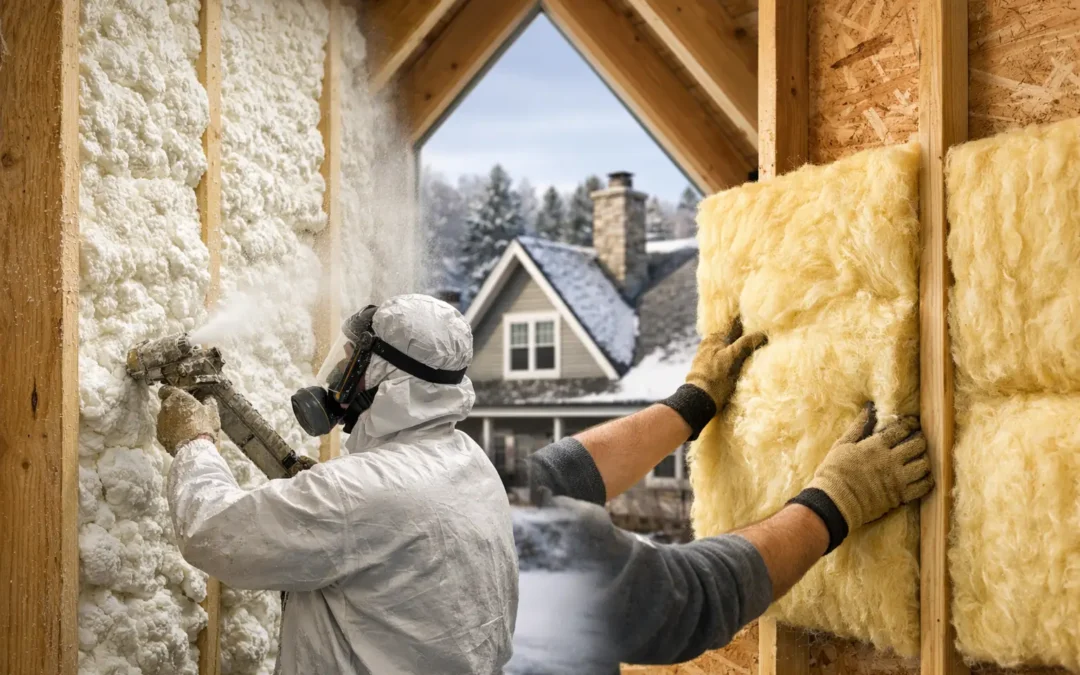
by | Sep 13, 2026 | Uncategorized
A cold bedroom over the garage, ice dams at the roofline, and a heating bill that keeps climbing usually point to one issue: the building envelope is not doing its job. When comparing spray foam versus fiberglass, the best choice is rarely just about insulation...
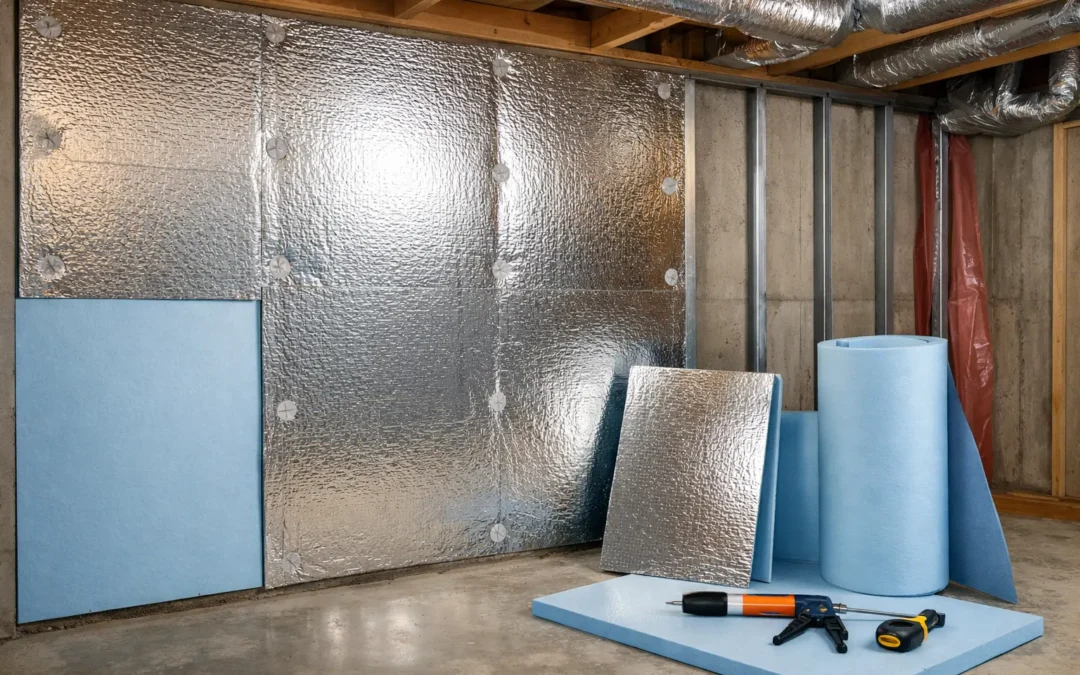
by | Sep 11, 2026 | Uncategorized
A basement can feel dry underfoot and still be a major source of moisture, heat loss, and musty air. This moisture resistant basement insulation guide focuses on the sequence that protects New England homes: manage bulk water first, control air leakage, then install...
by | Sep 9, 2026 | Uncategorized
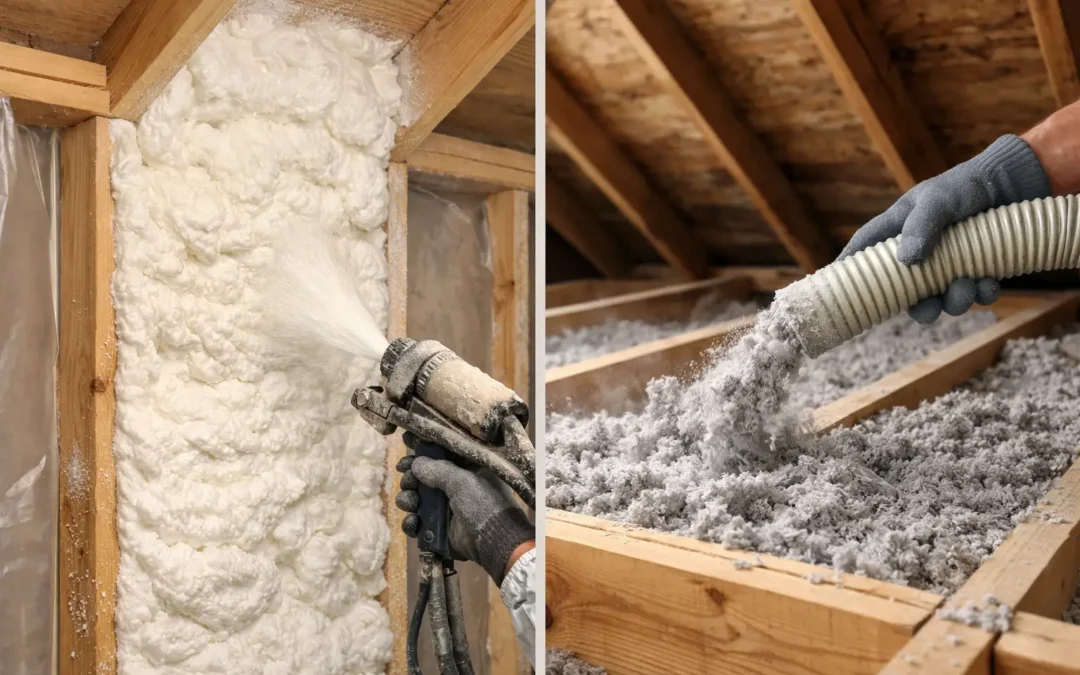
A second-floor bedroom that stays cold in January, ice dams along the roofline, and summer humidity that makes an upstairs feel clammy often point to the same problem: an underperforming building envelope. When comparing spray foam versus cellulose insulation, the...
by | Sep 7, 2026 | Uncategorized
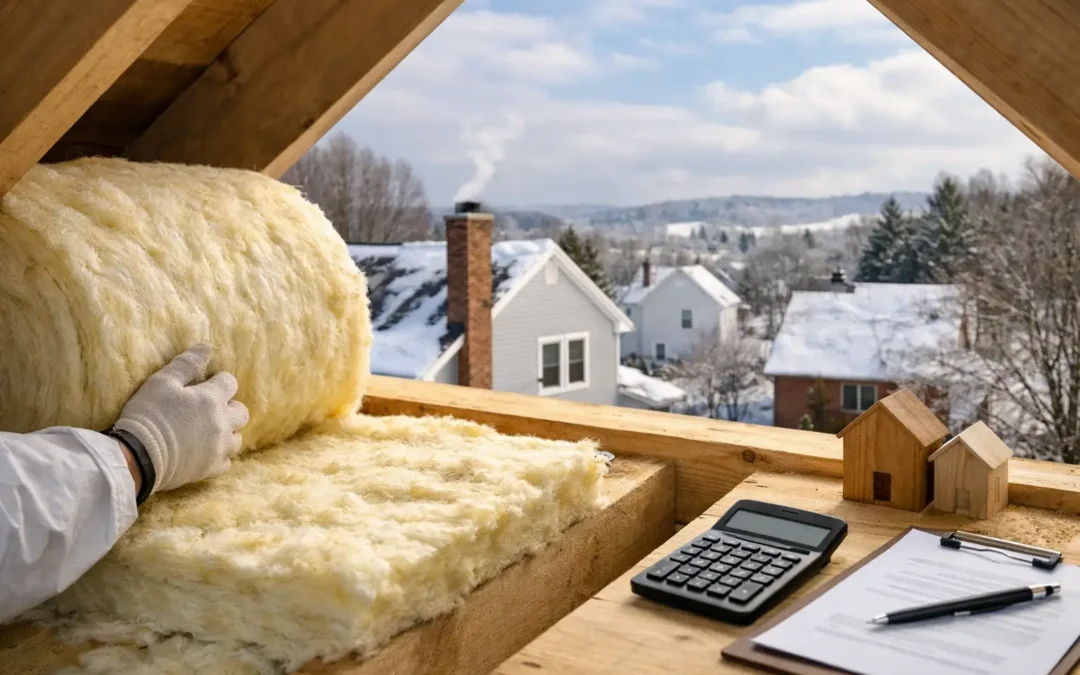
A cold bedroom over the garage, ice dams at the eaves, and a heating bill that climbs every winter are not separate problems. They often point to the same issue: a building enclosure that is losing heat and allowing outside air where it does not belong. The insulation...