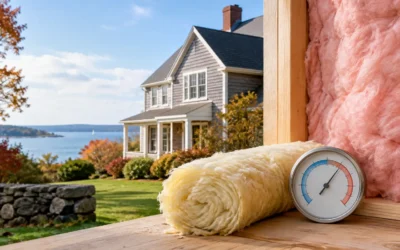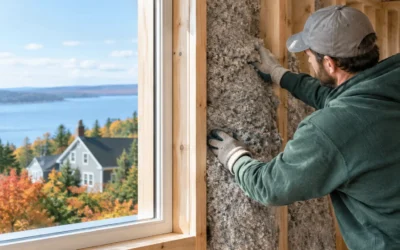

A cold upstairs bedroom, a musty basement, or heating bills that keep climbing can all raise the same question: when to replace fiberglass insulation. Fiberglass can perform well for decades when it stays dry, properly installed, and protected from pests and air leakage. But in New England homes, moisture, roof leaks, animal activity, and years of settling can turn insulation from an asset into a source of comfort and efficiency problems.
Replacement is not always the first answer. Some attics need air sealing and additional insulation rather than a full tear-out. Others have contaminated or damaged material that should be removed before new insulation is installed. The right decision starts with the condition of the insulation and the building problems around it.
When to Replace Fiberglass Insulation
Fiberglass does not have a fixed expiration date. A 30-year-old attic may still contain usable insulation, while insulation installed five years ago may need attention if it was soaked by a roof leak or compressed during a renovation. Age is a reason to inspect, not a reason by itself to remove material.
Replacement becomes the practical choice when fiberglass can no longer hold its shape, remain clean and dry, or deliver consistent thermal coverage. It also makes sense when removing old insulation is necessary to correct major air leaks, moisture issues, or rodent contamination that cannot be addressed from above.
1. The insulation is wet, matted, or stained
Fiberglass loses much of its insulating value when it is wet and compressed. Water can come from roof leaks, ice dams, plumbing leaks, condensation around bath fans, or humid indoor air escaping into a cold attic. Look for dark staining, flattened batts, rusted fasteners nearby, or damp framing.
The source of moisture must be corrected before replacement. Installing new insulation over an active leak simply hides the problem and can allow mold, wood rot, and indoor air-quality concerns to continue. In an attic, that may mean repairing roof flashing, venting bath fans outdoors, improving air sealing, or addressing inadequate ventilation as part of the full solution.
2. Pests have contaminated the attic or walls
Mice, squirrels, bats, and other pests can nest in fiberglass, tear it apart, and leave droppings or urine behind. This is more than an insulation performance issue. Contaminated materials can create odors and introduce allergens or airborne particles into the living space through gaps around wiring, plumbing, and ceiling penetrations.
Small, isolated pest activity may be manageable after the entry point is sealed. Widespread contamination, however, usually calls for professional removal, cleaning, and replacement. The pest problem should be resolved first, including repairs to soffits, roof edges, foundation openings, and other access points.
3. Fiberglass has settled, sagged, or been compressed
Insulation works by trapping pockets of still air. When fiberglass batts slump in wall cavities, fall away from the roofline, or become packed down under stored items, those air pockets disappear. The result is reduced R-value and uneven temperatures.
In an attic, insulation should be reasonably even across the floor, without thin spots around the perimeter or gaps around ductwork. In walls, signs are less visible: cold stripes, drafty electrical outlets, or rooms that are noticeably harder to heat may indicate voids or poorly installed batts. An energy assessment can help identify whether low insulation levels, air leakage, or both are responsible.
4. You can see gaps, voids, and exposed ceiling areas
Even clean, dry fiberglass underperforms when it does not fully cover the intended area. Batts that are cut too short, tucked poorly around pipes, or left without proper support create thermal gaps. In a New Hampshire, Massachusetts, Maine, or Vermont winter, small gaps can make a large difference in comfort.
Adding insulation can sometimes restore coverage without removing what is already there. But if the original installation is consistently incomplete or badly compressed, removal may provide a cleaner path to an insulation system that performs as designed. This is especially relevant during major renovations, when cavities are open and access is available.
5. Mold is present on insulation or nearby framing
Fiberglass itself is not food for mold, but dust and organic debris caught in insulation can support growth when moisture is present. Mold on roof sheathing, attic framing, paper facings, or surrounding debris requires a careful assessment of both the extent of the growth and the moisture source.
Do not assume that adding more insulation will solve an attic mold issue. In many cases, the underlying problem is warm, moist indoor air leaking into the attic through unsealed top plates, recessed lights, attic hatches, plumbing penetrations, or duct chases. Removal may be needed when insulation is contaminated, but effective air sealing and moisture control are what protect the new installation.
6. Utility costs and room temperatures have changed
A sudden increase in heating or cooling costs can be a warning sign, but it is not proof that fiberglass needs replacement. Fuel prices, aging HVAC equipment, duct leakage, window issues, and thermostat habits can all affect operating costs. The more useful question is whether your home has become less consistent: colder floors, hot second-floor rooms in summer, or rooms that never match the thermostat setting.
A professional evaluation looks at the entire building envelope. Infrared imaging, visual inspection, and airflow testing can reveal where conditioned air is escaping and where insulation coverage is weak. Often, targeted air sealing combined with added fiberglass, blown cellulose, mineral wool, or spray foam produces better results than a blanket replacement decision.
7. You are remodeling or bringing the building up to code
Renovation is often the best time to replace old fiberglass. Once drywall, siding, or roofing is removed, contractors can see hidden gaps, moisture damage, missing air barriers, and undersized insulation levels that were difficult to address before.
For builders and remodelers, this is also an opportunity to coordinate insulation with local code requirements, mechanical systems, and inspection schedules. The material choice depends on the assembly. Fiberglass can be a cost-effective option in properly prepared cavities; dense-pack cellulose can improve coverage in enclosed walls; mineral wool offers moisture resistance and fire performance; and spray foam can provide insulation and air sealing in locations where space or air leakage is a concern.
Replacement Is Only Part of the Fix
Removing old insulation without correcting air leaks is like replacing a winter coat while leaving it unzipped. Heated air can still escape through openings in the ceiling plane, and humid interior air can still reach cold attic surfaces. The same principle applies to basement and crawlspace areas, where air and moisture movement can affect the rooms above.
Before new insulation goes in, a qualified crew should evaluate common leakage points such as attic hatches, plumbing stacks, electrical penetrations, chimney clearances, open wall cavities, duct boots, and top plates. Safety details matter. Recessed lights, combustion appliances, wiring, ventilation pathways, and fire-rated assemblies all need to be handled correctly.
The final insulation level should also reflect the assembly and local climate zone, not a one-size-fits-all number. New England homes face long heating seasons, humid summers, and frequent freeze-thaw cycles. A properly designed system balances R-value, air control, moisture management, ventilation, and access for future maintenance.
What to Expect From a Professional Insulation Assessment
A useful assessment should begin with the symptoms you notice, then confirm the cause rather than guessing. For homeowners, that may mean reviewing drafty rooms, ice dam history, musty odors, and utility costs. For a contractor or property manager, it may mean checking existing conditions against plans, code requirements, and the schedule for the next trade.
The inspection should document the condition of existing insulation, identify moisture or pest concerns, and determine whether material can remain in place. It should also account for ventilation, combustion safety, and the practical access needed to complete the work without unnecessary disruption.
Colonial Insulation helps property owners and construction teams evaluate insulation as part of the whole building envelope. The goal is not simply to add material. It is to create dependable comfort, lower avoidable energy loss, and an installation that is ready for inspection and built for New England weather.
If your attic insulation is wet, contaminated, visibly uneven, or no longer supporting consistent indoor temperatures, schedule an evaluation before another heating season puts the problem under more pressure. A clear diagnosis can show whether replacement is necessary and what combination of air sealing, moisture control, and insulation will make the lasting difference.