by | Aug 26, 2026 | Uncategorized
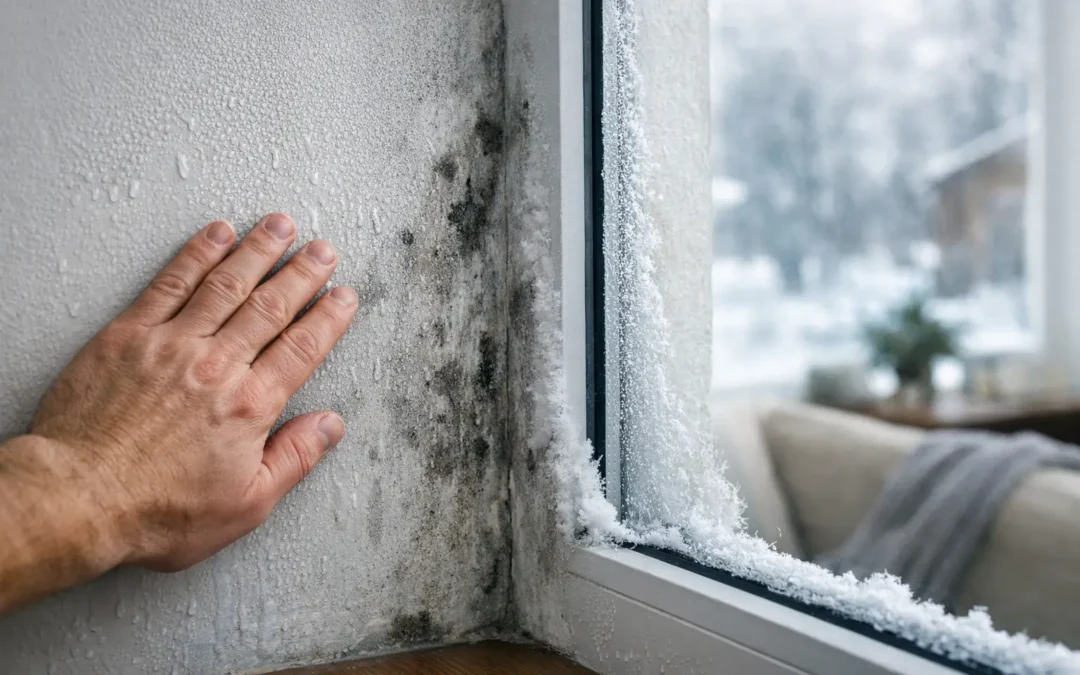
A wall that feels noticeably cold is more than an everyday annoyance during a New England winter. Cold wall causes can range from a small gap around an outlet to a larger insulation or moisture problem hidden inside the assembly. Finding the actual source matters...
by | Aug 25, 2026 | Uncategorized
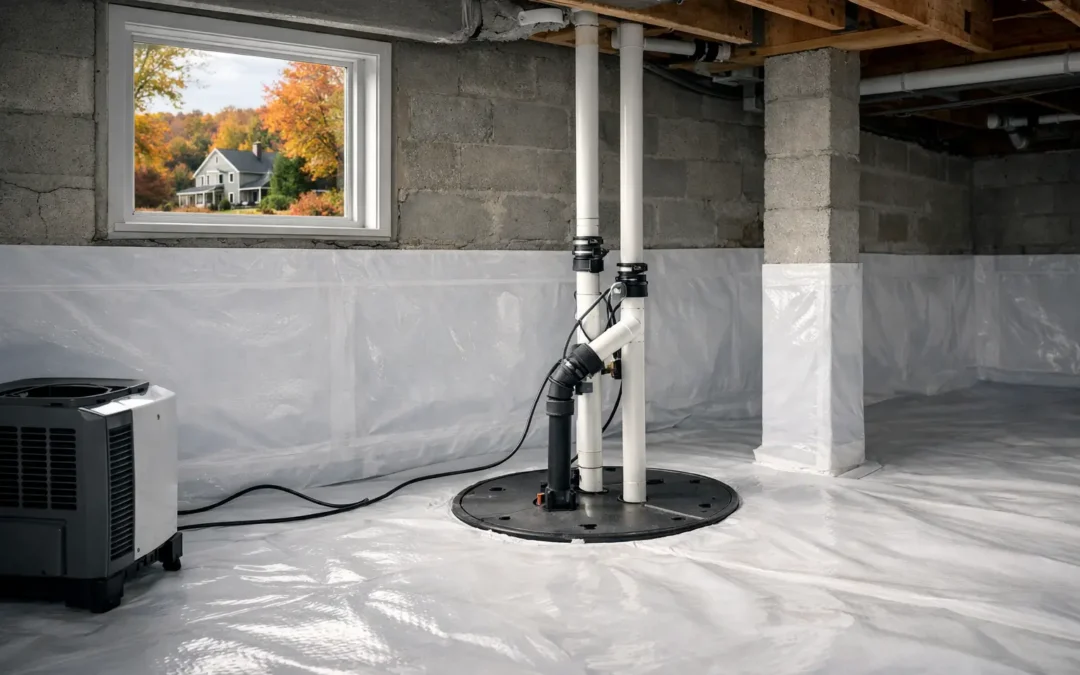
A basement that smells damp in July and feels bitterly cold in January is not just an inconvenience. It is often a building-envelope problem affecting the rooms above it, the air your family breathes, and the cost of heating your home. Proper basement encapsulation...
by | Aug 24, 2026 | Uncategorized
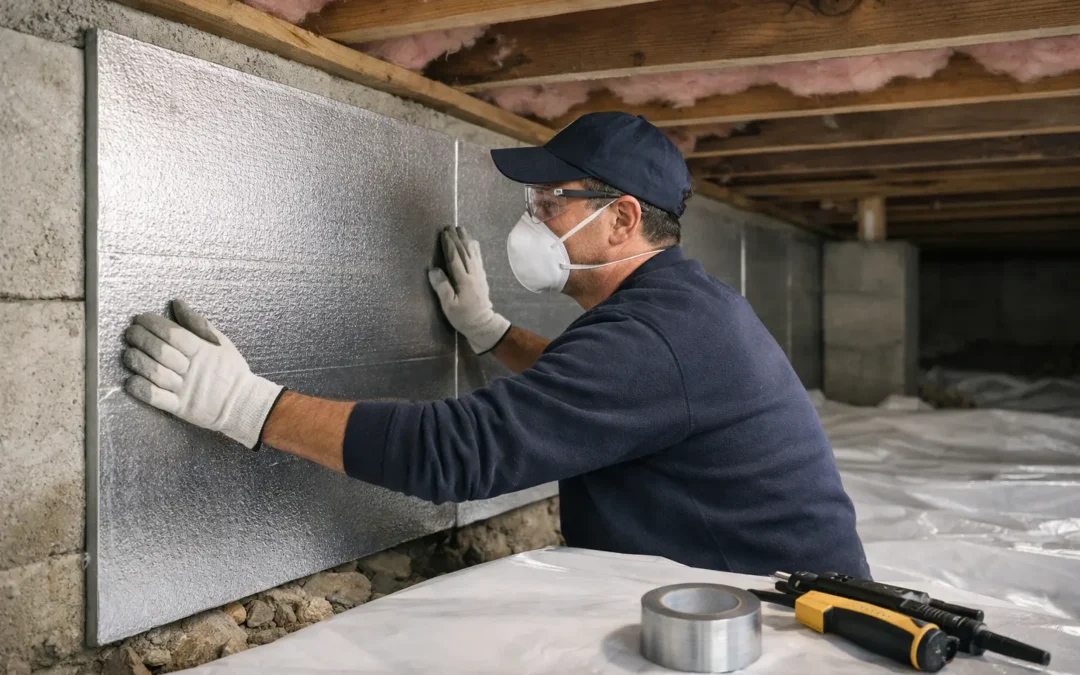
A crawlspace can quietly drive up heating costs, make first-floor rooms feel cold, and allow damp outdoor air to affect the home above. To insulate crawlspace walls correctly in New England, the work must address more than R-value. Moisture, air leakage, drainage, and...
by | Aug 23, 2026 | Uncategorized
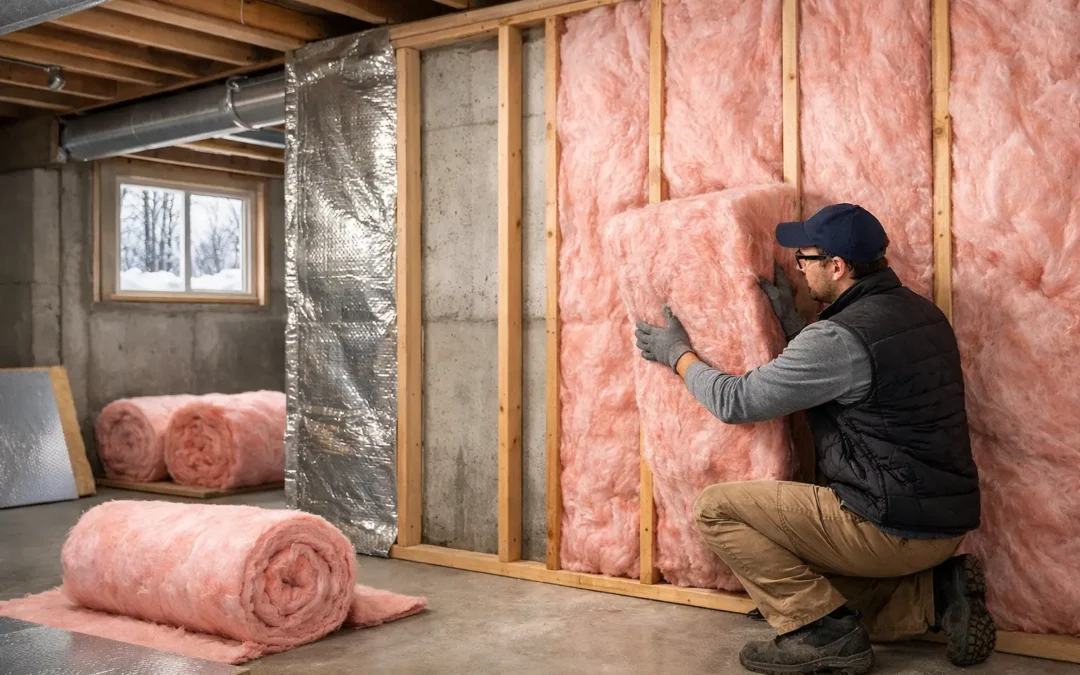
A basement that feels cold, smells musty, or sends a draft across the first-floor living room is rarely just a basement problem. It is a building-envelope problem. Proper basement insulation helps stop the steady loss of heat through foundation walls, rim joists, and...

by | Aug 22, 2026 | Uncategorized
A cold bedroom over the garage, ice dams along the roofline, and a furnace that seems to run nonstop often point to the same issue: uncontrolled air movement through the building envelope. Spray foam insulation can address that problem at its source by insulating and...
by | Aug 21, 2026 | Uncategorized
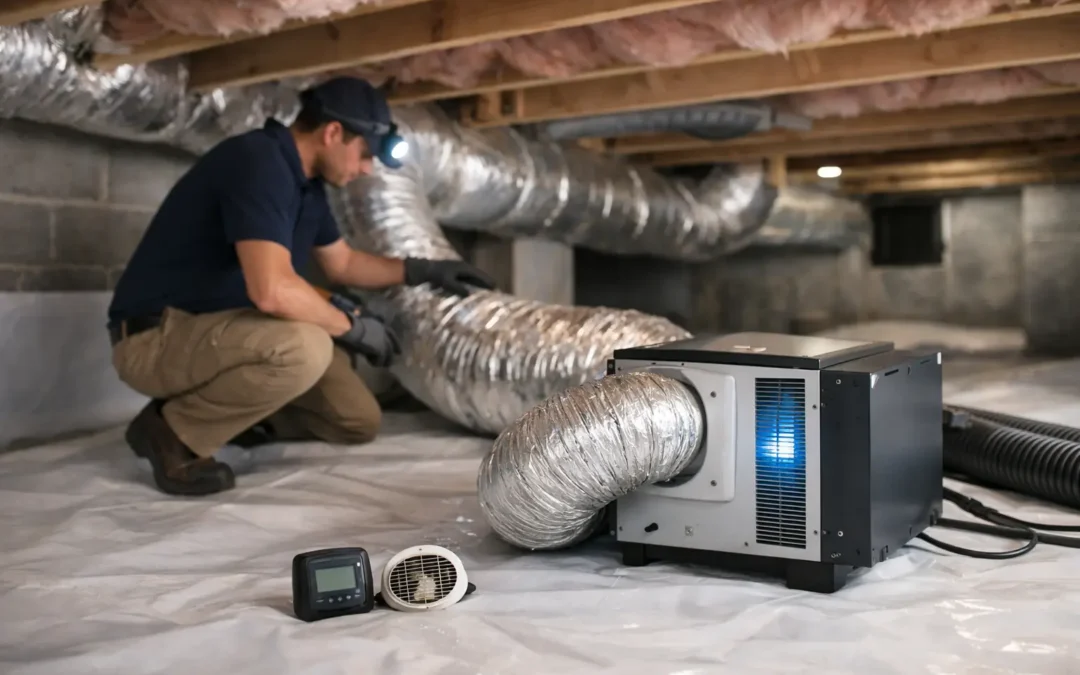
A crawlspace can quietly affect every room above it. Air naturally moves upward through a home, carrying moisture, mold spores, musty odors, soil gases, and outdoor pollutants along with it. To improve crawlspace air quality, homeowners need to address the conditions...
by | Aug 20, 2026 | Uncategorized
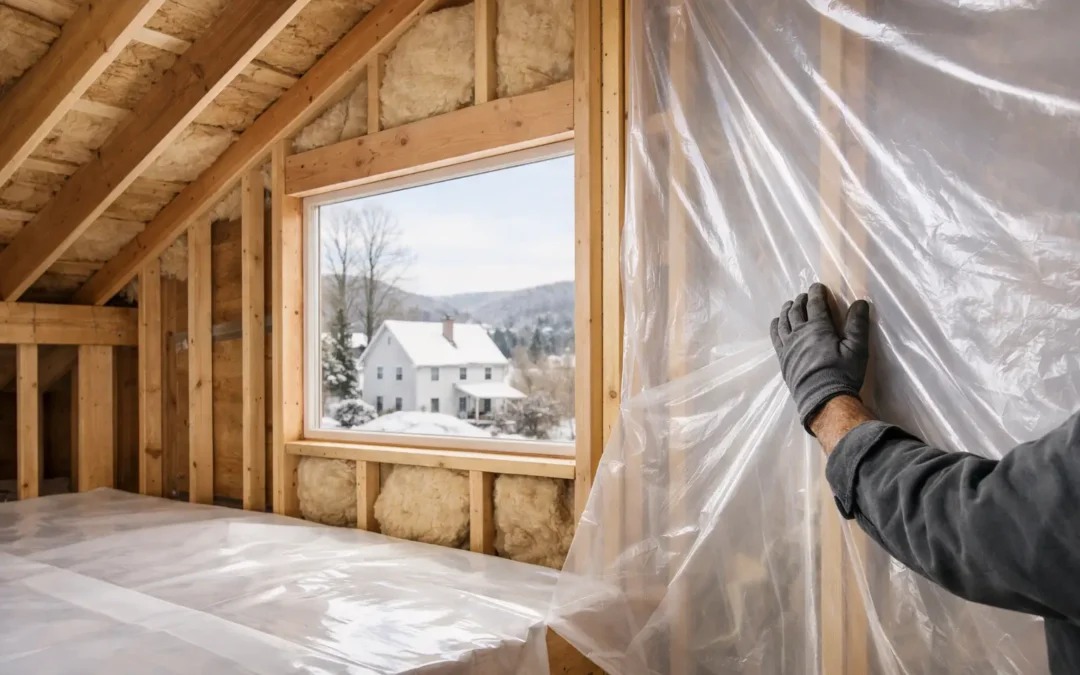
A vapor barrier installed on the wrong side of an insulated wall can trap moisture where you cannot see it. In New England, where long heating seasons meet humid summers, proper vapor barrier placement is a building-envelope decision, not a one-size-fits-all material...

by | Aug 18, 2026 | Uncategorized
A spray foam cost review should start with more than a price per square foot. In New England, the right insulation decision affects whether upstairs bedrooms stay comfortable in February, whether humid summer air reaches cold framing, and whether a new build passes...
by | Aug 16, 2026 | Uncategorized
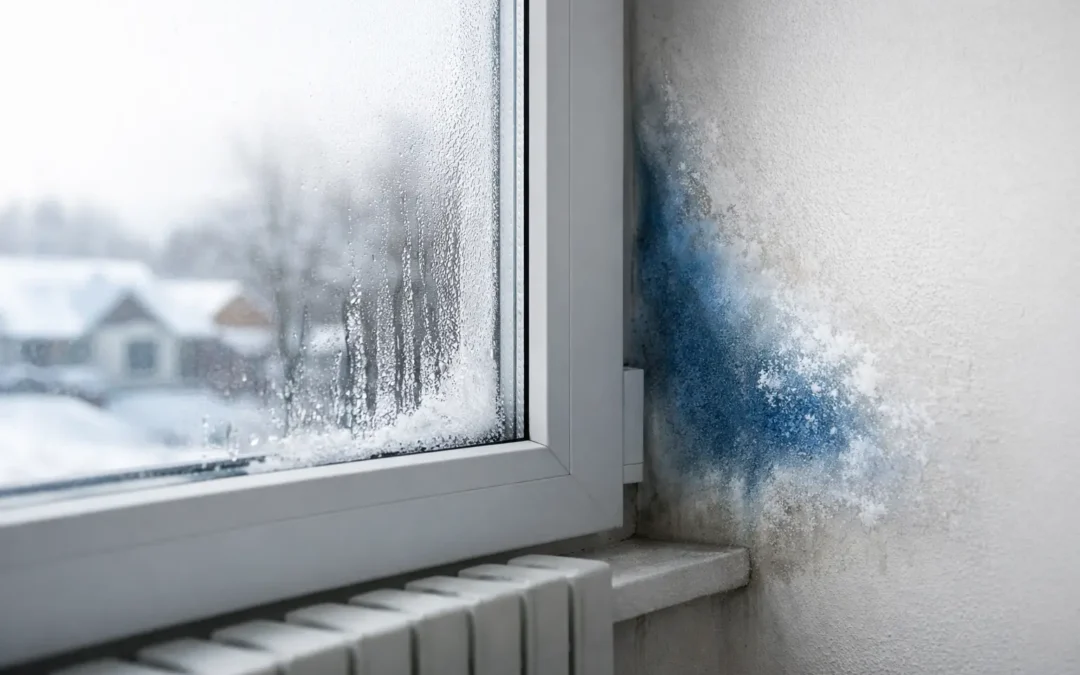
A bedroom that stays noticeably colder than the rest of the house is not always an insulation-depth problem. It may be thermal bridging: a direct pathway through the building enclosure that lets heat move around the insulation. In New England, where winter...

by | Aug 14, 2026 | Uncategorized
A cold bedroom over the garage, ice dams at the eaves, and a furnace that seems to run without a break are more than winter annoyances. They are often signs that heat is moving through gaps, thin insulation, and poorly sealed areas of the building envelope. Insulation...