
A wall that feels noticeably cold is more than an everyday annoyance during a New England winter. Cold wall causes can range from a small gap around an outlet to a larger insulation or moisture problem hidden inside the assembly. Finding the actual source matters because the right repair can improve comfort, protect building materials, and reduce the heating system workload for years to come.
An exterior wall will naturally be cooler than the room air, especially during a January cold snap. The concern begins when one wall is much colder than nearby walls, creates a draft, shows staining or peeling paint, or makes a room difficult to heat. Those clues point to a break in the home’s thermal boundary.
Common Cold Wall Causes in New England Homes
Missing, thin, or poorly installed insulation
Insulation slows heat movement, but it must be continuous to do its job. Older homes may have exterior walls with little insulation, settled loose-fill material, or empty cavities left during previous renovations. Even newer construction can develop cold spots when batts are compressed, cut around wiring without being fitted carefully, or omitted behind tubs, knee walls, and other hard-to-reach areas.
This issue often shows up as a broad cold area rather than a narrow draft. A bedroom above a garage, a remodeled addition, or a room over an uninsulated basement can be especially vulnerable. In northern New England, insufficient wall insulation can also leave interior surfaces cold enough for condensation during periods of high indoor humidity.
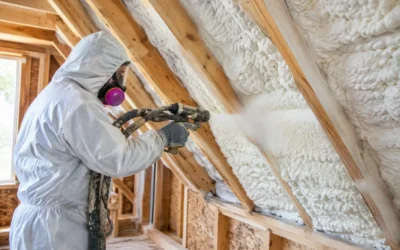
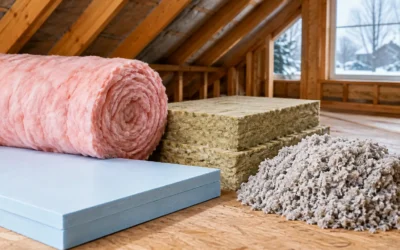
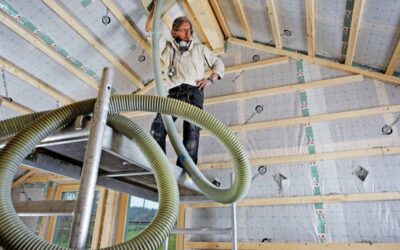
The solution depends on the wall construction and access. Dense-pack cellulose may work well for enclosed cavities in an existing home. Spray foam can provide insulation and air control in areas with irregular framing or limited space. Mineral wool and fiberglass can be effective in open walls when installed to the correct depth and without gaps. The best material is not always the same from one project to the next.
Air leaks around framing and penetrations
Insulation does not stop moving air on its own. Small openings around electrical boxes, plumbing lines, sill plates, window framing, attic bypasses, and exterior-wall penetrations allow cold outdoor air to enter the building enclosure. As that air moves through or behind insulation, the wall can feel cold even when the cavity contains adequate material.
Air leakage is one of the most common reasons a home feels drafty near outlets, baseboards, window trim, and exterior corners. It also carries heated indoor air into concealed spaces, where it can meet cold surfaces and create moisture concerns. That combination makes air sealing a performance and durability measure, not simply a comfort upgrade.
Professional air sealing focuses on the pathways that have the biggest effect, rather than applying caulk only where a draft is easy to feel. An energy audit, blower door testing, and infrared imaging can help identify hidden leakage patterns. These tools are particularly useful in older homes, complex additions, and renovation projects where the original wall details are uncertain.
Thermal bridging through wood, steel, or concrete
A thermal bridge is a material path that conducts heat more readily than the insulation around it. Wood studs, rim joists, steel framing, concrete foundations, and structural connections all transfer heat. This is why a thermal image may show regularly spaced vertical cold lines where studs are located, even in a properly insulated wall.
Some thermal bridging is expected. A concern arises when it is severe enough to affect room comfort, increase condensation risk, or make code-required insulation levels difficult to achieve. Steel-framed commercial spaces and additions with exposed concrete connections often require especially careful detailing.
Continuous exterior insulation is one way to reduce bridging during new construction or major remodeling. In existing homes, improving rim-joist insulation, insulating foundation walls, or addressing accessible sections of the enclosure can make a meaningful difference. The practical option depends on siding, interior finishes, moisture conditions, and the scope of the project.
Window, door, and siding details that leak
The wall may not be the real problem. A failed window seal, poorly insulated window opening, worn weatherstripping, or gaps behind exterior trim can make the surrounding drywall feel cold. Water can also enter through damaged siding, flashing, or roof-to-wall transitions, wetting insulation and reducing its effectiveness.
Drafts concentrated near a window do not automatically mean the entire window needs replacement. Sometimes targeted air sealing and trim repairs are enough. In other cases, older single-pane windows, failed installation details, or rotted framing justify a larger repair. A close inspection helps distinguish between a localized opening and a whole-wall performance issue.
Moisture inside the wall assembly
Moisture is both a symptom and a cause of cold walls. Wet insulation loses performance, wood stays colder, and mold-friendly conditions can develop when moisture remains trapped. Signs may include a musty odor, discoloration, bubbling paint, soft drywall, or frost at an exterior-wall corner during very cold weather.
The source could be bulk water from a roof or siding leak, plumbing leakage, humid indoor air reaching a cold cavity, or uncontrolled outdoor air entering the assembly. Installing more insulation without correcting the moisture source can hide the symptom while allowing the damage to continue.
This is where building-science judgment matters. Wall assemblies need a reliable strategy for water control, air control, insulation, and vapor management. The correct approach varies by climate zone, wall type, and whether the work is a repair, renovation, or new build. New Hampshire, Massachusetts, Maine, and Vermont homes all face long heating seasons, but local code requirements and site conditions can affect the final specification.
How to Tell Whether a Cold Wall Needs Attention
A quick hand test can identify an obvious cold area, but it cannot diagnose why the wall is cold. Compare it with another exterior wall in a similar location and pay attention to when the problem occurs. If it worsens on windy days, air leakage is likely involved. If it remains cold regardless of wind, missing insulation or thermal bridging may be more likely.
Look for related conditions: higher-than-expected heating bills, rooms that never reach thermostat setting, cold floors near exterior walls, condensation on windows, peeling paint, or a persistent musty smell. These symptoms do not always share one cause, but together they provide useful direction.
A professional assessment is worthwhile when the condition is widespread, associated with moisture, or affecting a planned renovation. An experienced insulation contractor can inspect accessible areas, evaluate the building envelope, and recommend improvements that fit the home rather than prescribing the same product for every wall.
Fixing Cold Walls Without Creating a New Problem
The most effective repair usually combines air sealing with the appropriate insulation strategy. Adding insulation alone can leave leaks untreated. Sealing only the visible draft may miss the larger pathway driving heat loss. The goal is a continuous thermal and air boundary from the foundation to the attic.
For a finished home, the least disruptive option may be dense-pack cellulose or targeted air sealing from the exterior or attic. For open-wall remodeling, the opportunity is greater: cavities can be air sealed, insulated, and detailed around electrical and plumbing penetrations before drywall goes back up. Closed-cell HFO spray foam can be valuable at rim joists and other areas where high R-value and moisture resistance are needed, while fiberglass or mineral wool may be a practical choice for accessible framed walls.
Material selection should account for fire requirements, drying potential, local code, budget, and the condition of the existing assembly. A higher R-value product is not automatically the best answer if a water leak, ventilation issue, or air pathway remains unresolved.
For homeowners, a cold wall is often the first visible sign that the house is losing control of heat and moisture. For builders and remodelers, it is a reminder that insulation quality depends on the full assembly, not the label on a package. Address the source early, and that uncomfortable wall can become a more durable, efficient part of the building envelope through every New England season.