
A crawlspace can quietly affect every room above it. Air naturally moves upward through a home, carrying moisture, mold spores, musty odors, soil gases, and outdoor pollutants along with it. To improve crawlspace air quality, homeowners need to address the conditions creating contamination at the source, not simply mask the smell upstairs.
In New Hampshire, Massachusetts, Maine, and Vermont, crawlspaces face a demanding combination of snowmelt, wet springs, humid summers, and long heating seasons. A damp, leaky crawlspace can make floors feel cold, increase heating costs, and create air-quality concerns that extend into living areas. The right solution depends on how the crawlspace is built, how wet it gets, and whether it is vented or conditioned.
Why Crawlspace Air Affects the Rest of the House
Most homes are not airtight boxes. They operate under pressure differences created by stack effect, exhaust fans, ductwork, and changing outdoor temperatures. During the heating season, warm air rises and exits through upper-level leaks. Replacement air is then pulled in from lower areas, including the basement or crawlspace.
That means a crawlspace with exposed dirt, standing water, deteriorated insulation, or visible mold is not isolated from the home. Its air can enter through gaps around plumbing, wiring, duct penetrations, floor framing, and open chases. Even a mild musty odor is a useful warning sign that moisture and air leakage deserve attention.
Poor crawlspace conditions can contribute to allergy and asthma triggers, elevated humidity indoors, wood rot, pest activity, and uncomfortable first-floor rooms. For builders and remodelers, leaving these issues unresolved can also complicate insulation performance, code compliance, and client satisfaction after the project is complete.
Start With Moisture Control
Moisture is usually the first problem to solve. Insulation and air sealing work best when framing, subflooring, and foundation walls are dry. Installing new insulation over an active water problem can trap moisture, hide damage, and shorten the life of the work.
Begin outside. Gutters should carry roof runoff away from the foundation through properly placed downspouts and extensions. The soil around the home should slope away from the foundation so rain and snowmelt do not collect against the walls. In parts of New England with high groundwater or seasonal flooding, an interior drainage system and sump pump may be necessary.
Inside the crawlspace, look for plumbing leaks, wet insulation, condensation on ducts or pipes, staining on wood, and pooled water. A dehumidifier can help manage humidity, but it should not be treated as a substitute for drainage repairs or a vapor barrier. If the crawlspace remains wet after dry weather, a professional assessment can identify whether the problem is surface runoff, groundwater, plumbing, or humid outdoor air entering through vents.
Install a Ground Vapor Barrier
An exposed dirt floor releases a continuous supply of water vapor into the crawlspace. Covering the ground with a durable vapor barrier is one of the most effective ways to reduce that moisture load. The material should cover the full floor area, extend up foundation walls where appropriate, and have sealed overlaps and edges.
Thin plastic loosely laid across the ground offers limited protection because it tears easily and allows moisture around open seams. A properly installed, sealed barrier is more durable and better suited to long-term crawlspace moisture control. The exact material and wall detail should match the foundation conditions and local code requirements.
Seal the Crawlspace From Outdoor Air and House Air
Air sealing serves two purposes: it limits humid or unfiltered outdoor air entering the crawlspace, and it prevents crawlspace air from leaking into the home. This is especially valuable in older New England homes, where floor systems often contain many hidden openings.
Common leakage points include the rim joist, sill plate, foundation penetrations, gaps around pipes and wiring, duct openings, and access doors. Air sealing these areas reduces drafts and makes it easier to control humidity. It also helps insulation deliver its intended R-value, since moving air can bypass or reduce the effectiveness of fibrous insulation.
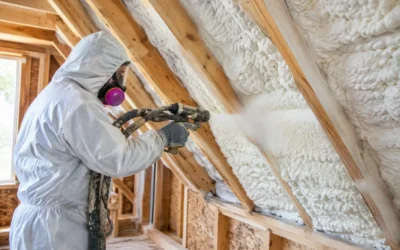
The rim joist is often a high-priority location. This narrow band around the perimeter of the home can leak substantial amounts of outdoor air and is frequently underinsulated. Closed-cell HFO spray foam can provide air sealing, insulation, and moisture resistance in one application when it is appropriate for the assembly. Rigid foam with sealed joints is another option in certain designs.
Products and details matter. Foam insulation must be installed correctly and may require an approved ignition or thermal barrier depending on the location and code. A trained contractor can evaluate these requirements before work begins, helping prevent inspection issues or costly corrections later.
Should You Close Crawlspace Vents?
The answer is not always the same. Traditionally, many crawlspaces were vented to the outdoors with the expectation that moving air would dry the space. In a humid summer climate, however, warm outdoor air can enter a cool crawlspace and condense on cooler surfaces. That can raise moisture levels instead of lowering them.
For many homes, an encapsulated or conditioned crawlspace performs better than a vented crawlspace. This approach typically includes closing and air-sealing vents, installing a ground vapor barrier, insulating foundation walls, sealing the rim joist, and providing controlled conditioning or dehumidification. The crawlspace becomes part of the home’s conditioned enclosure rather than a damp outdoor-adjacent zone below the floor.
Still, vent closure should not be a standalone fix. A sealed crawlspace without moisture management, proper insulation, and a plan for humidity can create problems of its own. Foundation type, local code, existing HVAC equipment, and the home’s overall ventilation strategy all influence the best approach.
Choose Insulation That Supports Better Air Quality
The right crawlspace insulation depends on whether the crawlspace will remain vented or become conditioned. In a conditioned crawlspace, insulating the foundation walls often makes more sense than insulating the floor above. This keeps plumbing and ducts within the conditioned space while reducing cold floors overhead.
Closed-cell spray foam is commonly used on foundation walls and rim joists because it offers high R-value per inch, resists moisture, and seals irregular surfaces. It can be especially useful where space is limited or where masonry walls have uneven profiles. HFO spray foam provides strong thermal performance with a lower global warming potential than older blowing-agent technologies.
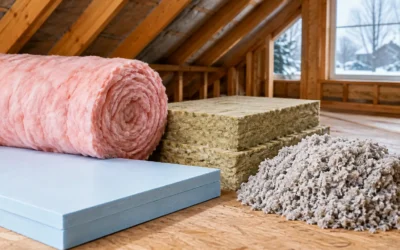
Mineral wool and rigid foam can also be effective in the right assembly. Mineral wool is moisture resistant and noncombustible, while rigid foam can provide continuous insulation when carefully sealed and protected as required. Fiberglass or cellulose may be suitable for a dry, properly detailed floor assembly, but neither should be installed where bulk water or persistent high humidity is present.
Avoid relying on old, sagging fiberglass between floor joists as the only crawlspace solution. If the space is damp or air leaks are uncontrolled, the insulation can absorb moisture, lose performance, and become a place for dust and pest debris to collect.
Address Ducts, Combustion Appliances, and Pest Entry
Crawlspaces often contain mechanical systems that affect air quality directly. Leaky return ducts can pull crawlspace air into the HVAC system and distribute it throughout the home. Duct seams should be sealed, disconnected runs repaired, and ducts insulated where needed to prevent condensation and energy loss.
If fuel-burning equipment is located in or near the crawlspace, combustion safety requires extra attention. Water heaters, furnaces, boilers, and fireplaces need adequate combustion air and properly functioning venting. Changes to air sealing can alter pressure conditions, so combustion testing should be part of the plan when applicable.
Pest entry points also deserve attention. Rodents and insects can damage insulation, contaminate surfaces, and worsen odors. Sealing gaps at foundation penetrations, repairing damaged screens where vents remain in use, and coordinating with a qualified pest professional can protect the crawlspace after improvements are made.
Improve Crawlspace Air Quality With a Whole-Home Plan
A clean crawlspace is not created by one product. It comes from controlling water, sealing air leaks, choosing insulation that fits the assembly, and managing humidity over time. The best sequence is usually to correct drainage and leaks first, install a vapor barrier, air-seal the enclosure, then add insulation and controlled drying or conditioning.
An energy audit or crawlspace evaluation can reveal issues that are easy to miss from a quick visual inspection, including hidden air pathways, inadequate rim-joist insulation, duct leakage, and moisture patterns. Colonial Insulation helps New England property owners develop practical insulation and air-sealing solutions based on the home’s construction, comfort concerns, and project goals.
If your floors are cold, your home smells musty after rain, or your crawlspace insulation looks damp or damaged, do not wait for the problem to spread upward. A well-designed crawlspace improvement can support cleaner indoor air, steadier temperatures, and a home that feels more dependable through every season.