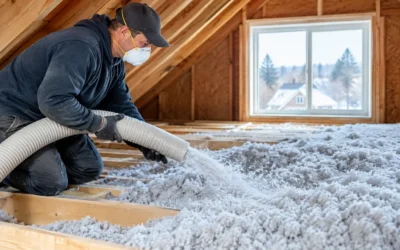

You might assume that adding more insulation will solve every comfort problem in your home, but hidden air leaks can reduce the value of that investment. Before you move forward with air sealing and adding insulation, it helps you to understand how those two improvements work together. Air escapes through small openings every day, carrying conditioned air outside and inviting outdoor temperatures indoors. Once you address those gaps first, insulation has a much better chance to perform the way you expect.
Air Leaks Change Everything
When air slips through cracks around your home, your heating and cooling system must replace the amount repeatedly lost. That constant exchange makes indoor temperatures less stable and increases energy use throughout the year. Every season creates different pressure on your home’s building envelope, so those leaks continue working against you.
Insulation slows heat transfer, but it doesn’t stop moving air. Warm or cool air can still travel through openings around framing, plumbing penetrations, electrical wiring, and attic access points. Because of that, sealing those pathways creates a stronger foundation.
Heat Travels Differently
You may notice one room stays comfortable while another never seems to reach the same temperature. Air movement explains much of that difference because conditioned air escapes before it reaches every part of the house. Once you reduce unwanted airflow, temperatures usually become steadier throughout the living space.
Air Sealing Comes First
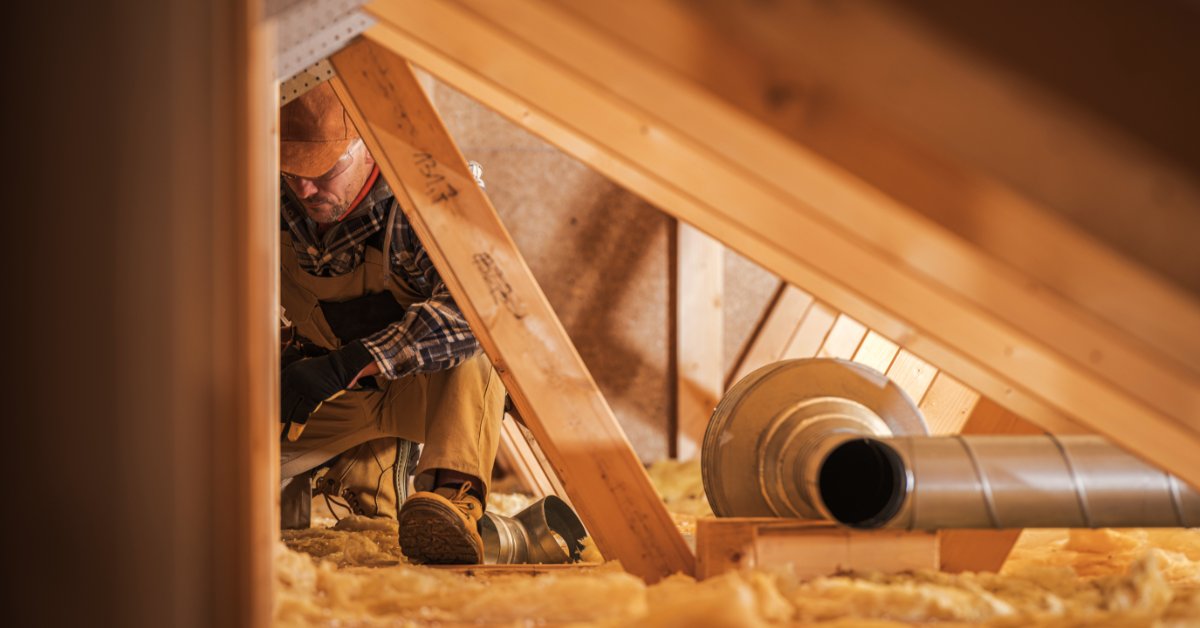
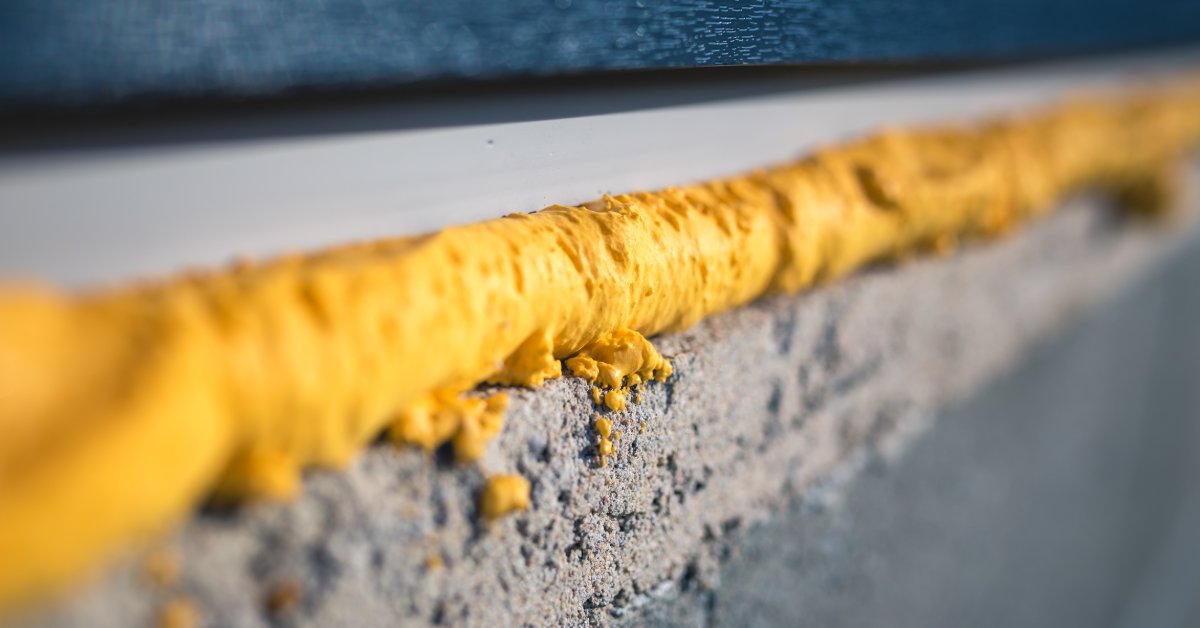
Many people think insulation should always be the first step because they associate it with energy savings. However, professionals typically recommend starting off with sealing major air leaks so insulation can perform at its full potential. That sequence gives your investment a stronger return while improving comfort throughout the home.
Here are several reasons professionals begin with air sealing:
- Air leaks reduce insulation performance
- Sealed homes hold their air conditioning longer
- Heating and cooling equipment works less to maintain temperature
- Moisture has fewer pathways into building assemblies
- Energy improvements produce longer-lasting results
Find Hidden Openings
Many leaks stay completely out of sight because they exist behind walls or above ceilings. Others develop around framing joints where different building materials meet. You rarely notice these openings until uncomfortable drafts or high utility bills begin attracting your attention.
Common Leak Locations
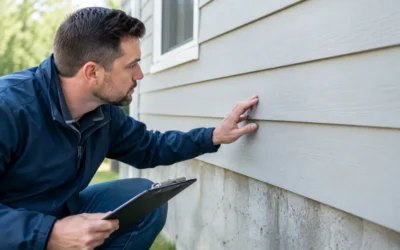
If you walk through your home during cold weather, you may notice cooler air around attic hatches, recessed lighting, window trim, or basement rim joists. Those locations frequently allow unwanted airflow because building materials expand and contract over time. Small gaps may appear harmless, but together they create a surprisingly large opening.
Professional Evaluation
Energy professionals use specialized equipment to locate leaks that remain invisible during a visual inspection. A blower door test, for example, measures air leakage by placing the home under controlled pressure while technicians identify problem areas. That process gives homeowners valuable information before insulation work begins.
Moisture Needs Attention
Air carries moisture wherever it travels. When humid indoor air reaches colder surfaces inside walls or attics, condensation may develop. Over time, excess moisture can contribute to mold growth, wood deterioration, and reduced insulation performance.
You protect your home’s structure by reducing uncontrolled airflow prior to installing new insulation. Dry insulation performs much better than damp insulation because moisture reduces its ability to resist heat transfer. As a result, sealing leaks supports both comfort and long-term durability.
Better Comfort Every Season

Comfort involves much more than the thermostat setting. Drafts around windows, uneven room temperatures, and cold floors all influence the way you experience your home each day. Air sealing reduces those problems by limiting uncontrolled airflow.
Once you complete air sealing before adding insulation, you create conditions that allow insulation to deliver better thermal performance. Instead of chasing after temperature swings throughout the house, you enjoy a more balanced indoor environment with fewer uncomfortable surprises.
Quieter Living Spaces
Outdoor noise can enter through the same openings that allow air to move inside your home. After those gaps receive attention, many homeowners notice a quieter indoor environment because fewer sound paths remain. Although insulation contributes to sound control, reducing air movement improves that benefit.
Long-Term Energy Savings
Every heating or cooling cycle costs money. If conditioned air escapes through leaks, your equipment must replace that lost air before maintaining the desired temperature. That repeated effort increases operating time and raises monthly utility costs.
You gain greater value from insulation when your home keeps air conditioning where it belongs. Rather than allowing expensive heated or cooled air to disappear through hidden gaps, your home holds onto it longer. Over the years, those improvements support lower energy consumption without changing your daily routine.
Review these long-term benefits after sealing leaks before insulation:
- More consistent indoor temperatures
- Lower heating and cooling demand
- Better indoor humidity control
- Improved insulation performance
- Greater comfort throughout every season
Choose Experienced Professionals
Every home presents unique construction details, so successful improvements depend on careful evaluation. Experienced installers know where hidden leakage commonly develops and understand which sealing methods fit each situation. That knowledge helps create lasting improvements instead of temporary fixes.
Choosing an experienced New England insulation company gives you the advantage of working with professionals who understand regional building practices and climate conditions. They know where homes in the area commonly leak air, which allows them to target the right problem and help you get a stronger return on your investment.
Climate Makes a Difference
New England experiences dramatic seasonal changes that place constant stress on homes. Cold winters create strong pressure differences that pull warm indoor air toward the outside, while humid summers introduce different moisture concerns. Local experience helps professionals recognize those regional challenges.
Build Lasting Performance
Your home performs as a complete system. Every improvement works better when it supports the next one, which explains why thoughtful planning always pays off. Air sealing creates that foundation by limiting unwanted airflow before insulation enters the building envelope.
You deserve improvements that continue to deliver comfort and energy savings for years instead of just the first heating season. Colonial Insulation helps homeowners throughout New England evaluate air leakage and recommend insulation solutions that match each home’s needs. If you’re ready to improve comfort and reduce wasted energy, reach out to our team and schedule a professional evaluation to learn where your home could benefit most.