
A cold bedroom over the garage, ice dams at the eaves, and a furnace that seems to run without a break are more than winter annoyances. They are often signs that heat is moving through gaps, thin insulation, and poorly sealed areas of the building envelope. Insulation rebates can help New England property owners address those problems with less out-of-pocket cost, but the best results come from planning the project around the home or building, not the incentive alone.
Rebate programs can change by utility, state, fuel type, income eligibility, and available funding. A qualified insulation contractor can help identify practical improvements, document the work correctly, and make sure the chosen materials support both the rebate requirements and the building’s long-term performance.
How Insulation Rebates Work
Most insulation incentives are designed to lower energy demand. Utilities and state efficiency programs benefit when homes and commercial buildings require less heating and cooling, especially during periods of high demand. In return, eligible customers may receive a rebate, a discount applied through a participating contractor, or access to low-interest financing for approved efficiency upgrades.
The details vary, but programs commonly focus on areas where energy loss is greatest: attics, exterior walls, rim joists, crawl spaces, basements, and sometimes ductwork. The work may need to meet a minimum R-value, use qualifying materials, or be installed by an approved contractor. Some programs also require an energy assessment before work begins.
That last point matters. Adding insulation without addressing air leakage can leave a major part of the problem untouched. Warm indoor air can escape through attic penetrations, top plates, plumbing chases, recessed lighting, and gaps around framing. Air sealing first helps insulation perform closer to its rated value and can make rooms feel more consistently comfortable.
Where New England Homes Usually Need Attention
New England homes face a demanding mix of long heating seasons, wind-driven cold, summer humidity, and wide temperature swings. Older housing stock can add another layer of complexity. A home may have a well-insulated attic but an unsealed basement rim joist, or dense wall cavities alongside poorly insulated additions.
Attics are frequently the strongest starting point because heat rises and because access is often straightforward. When attic insulation is insufficient, the ceiling plane can become a significant source of heat loss. Proper air sealing, ventilation planning, and adequate insulation depth can reduce drafts below, limit heat loss, and help control the conditions that contribute to ice dams.
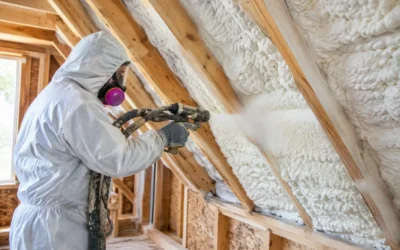
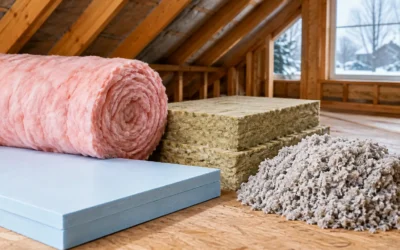
Basements and crawl spaces deserve equal attention. Cold floors, musty odors, and chilly first-floor rooms may point to gaps at rim joists, foundation walls, or floor systems. The right solution depends on whether the space is intended to be inside or outside the conditioned building envelope. Spray foam can provide air sealing and insulation in tight or irregular areas, while rigid foam, mineral wool, fiberglass, or blown cellulose may be appropriate in other assemblies.
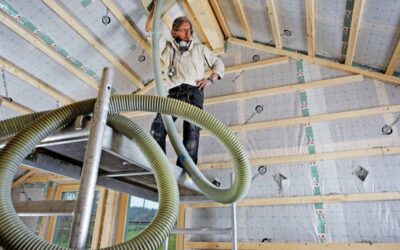
Walls are more variable. Dense-pack cellulose may be an effective option for enclosed wall cavities in many existing homes, while renovation projects may provide access for more extensive upgrades. A contractor should consider existing materials, wiring, moisture conditions, siding or interior finishes, and the home’s overall air-tightness before recommending wall insulation.
Choosing the Work Before Chasing the Rebate
A large rebate can be appealing, but the highest incentive is not always the best project. The correct scope should solve the source of discomfort, protect the building from moisture problems, and fit the budget and construction schedule.
For example, an attic rebate may be available, but a homeowner with a damp crawl space should not ignore moisture management just to pursue the easiest incentive. Likewise, a remodeler should coordinate insulation details with framing, mechanical work, fire blocking, and inspection requirements rather than treating insulation as a last-minute finish item.
A professional energy audit can make those decisions clearer. Depending on the assessment, diagnostics may identify significant air leaks, missing insulation, pressure imbalances, or weak thermal boundaries. That information turns an insulation project from a product purchase into a building-performance plan.
For many projects, the most effective sequence is straightforward: identify moisture and safety issues, air seal accessible leakage paths, install insulation suited to the assembly, and verify that ventilation and combustion safety are properly addressed. The exact order can differ in a renovation, historic home, or commercial building, but the principle remains the same. Insulation works best when the enclosure is designed as a system.
What May Be Required for Rebate Eligibility
Before authorizing work, confirm the program rules for your utility and location. New Hampshire, Massachusetts, Maine, and Vermont each have different efficiency offerings, and individual electric or gas utilities may have additional requirements. Program rules can also change during the year.
Common conditions include completing an assessment, meeting specified R-values, using approved products, providing invoices, and submitting paperwork within a set deadline. Some incentives are available only before installation begins. Others may require photographs, proof of residence or account status, or contractor documentation showing the insulated area and final R-value.
For builders and commercial property owners, documentation is especially valuable. Detailed scope records help support incentive applications, inspections, closeout packages, and future maintenance planning. On new construction, rebate requirements should be reviewed early enough to coordinate insulation thickness, wall assemblies, mechanical details, and energy-code targets.
Do not assume that every insulation material qualifies in every location. Spray foam, blown cellulose, fiberglass, and mineral wool can all play a role in high-performing assemblies, but program eligibility may depend on the application and installed performance. A material should be selected for its fit, not simply because it appears on a rebate list.
The Value of Air Sealing Alongside Insulation Rebates
When people think about insulation, they often picture a thicker blanket in the attic. Thickness matters, but air movement can undermine even a high R-value installation. A small gap around a plumbing stack or attic hatch can allow heated air to bypass insulation, carrying moisture into colder building cavities.
Air sealing improves comfort because it reduces uncontrolled drafts and limits the pathways where conditioned air escapes. It can also support better moisture control, especially when paired with correctly designed vapor control layers and ventilation. In a humid New England summer, the same building-envelope details that help retain winter heat can also reduce hot, humid outdoor air entering the home.
This is why an insulation contractor should evaluate the whole assembly. Closed-cell HFO spray foam, for example, can provide high R-value performance and air sealing in appropriate applications. Blown cellulose can fill attic floors and wall cavities effectively. Mineral wool offers strong fire resistance and sound-control benefits. Fiberglass remains a practical option when installed carefully in properly prepared cavities. Each has a place, and each has limitations.
Questions to Ask Before You Start
A rebate-supported project should still receive the same level of scrutiny as any major home improvement. Ask whether an energy assessment is recommended, which areas are driving the largest losses, and what air sealing is included in the scope. Confirm the proposed R-values, material type, moisture approach, ventilation details, and who will handle rebate paperwork.
It is also reasonable to ask how the work will affect inspection requirements, access for future service, and the daily use of the property. A commercial owner may need phased work to protect operations. A homeowner may want to coordinate attic access, storage removal, or a basement renovation. Good planning prevents an efficiency upgrade from creating avoidable disruption.
Colonial Insulation helps property owners, builders, and remodelers evaluate insulation and air-sealing opportunities with New England weather, local construction requirements, and real comfort concerns in mind. The goal is not to add material wherever it is easiest. It is to create an assembly that performs reliably through February cold snaps and August humidity.
A rebate can make a well-designed project easier to move forward, but its real value is the chance to fix the rooms you avoid in winter, reduce needless energy waste, and make the building more dependable for years to come.