
by | Sep 1, 2026 | Uncategorized
A room that is freezing in January but stuffy in July rarely has just one problem. It may be losing heated air through attic bypasses, pulling cold air through rim joists, or carrying too little insulation in exterior walls. Professional energy audit services identify...
by | Aug 31, 2026 | Uncategorized
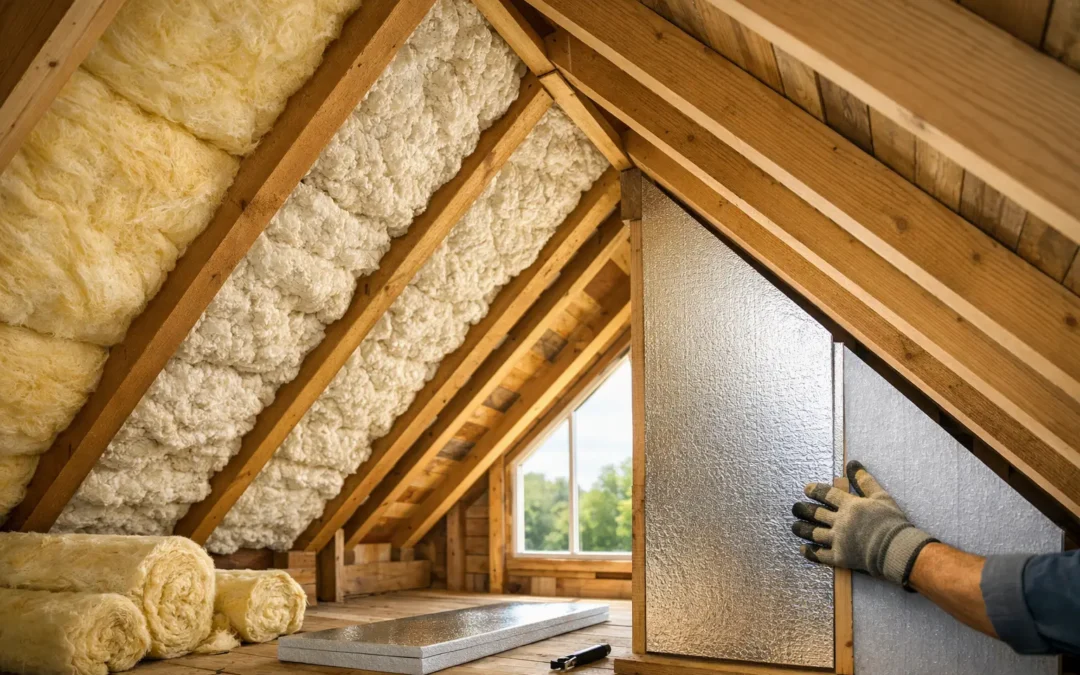
A cathedral ceiling can make a room feel open and bright, but it also places the roof deck and living space close together. That narrow roof cavity leaves little margin for poor installation. The right cathedral ceiling insulation choices help prevent winter heat...

by | Aug 30, 2026 | Uncategorized
A basement rim joist, cathedral ceiling, or wall cavity can be a major source of heat loss without being the right place for every insulation product. In New England, fire resistant insulation materials must do more than support a safer building. They also need to...
by | Aug 29, 2026 | Uncategorized
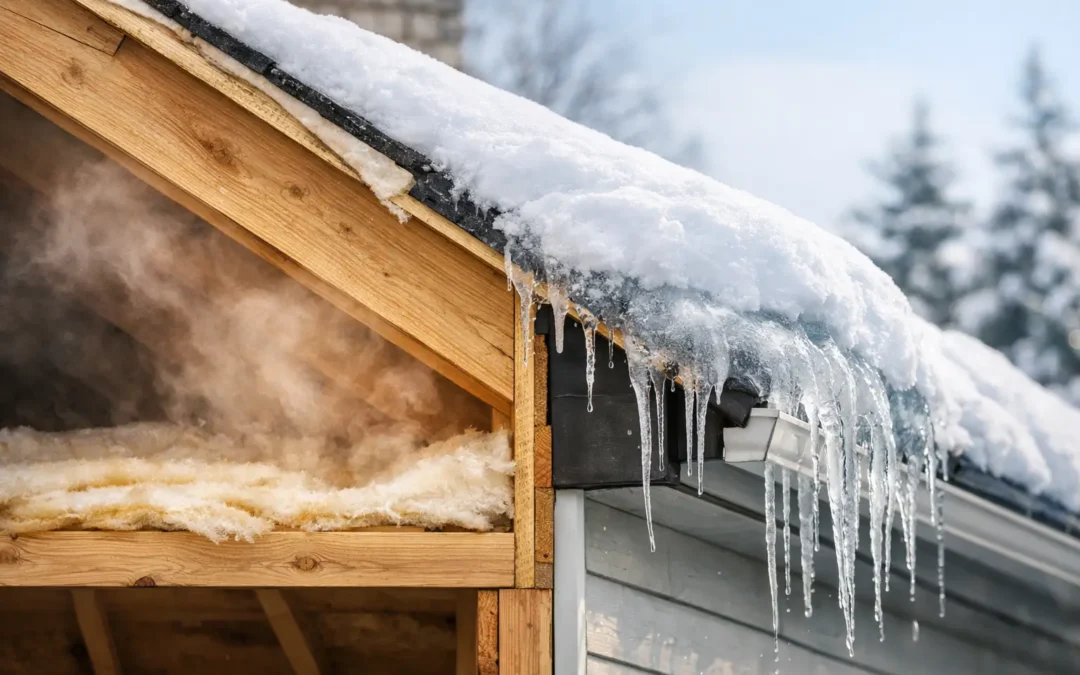
A roof can look perfectly snow-covered from the street while a costly problem is developing at its edge. The cause of ice dams, lack of insulation, is often part of the story, but the real issue is usually a warmer-than-it-should-be attic floor. Heat escaping from...

by | Aug 28, 2026 | Uncategorized
A cold New England morning can make every weak point in a home obvious: the bedroom over the garage that never warms up, the icy floor near an exterior wall, or the furnace that seems to run without a break. Spray foam can solve many of those building-envelope...

by Chris Wibbe | Aug 28, 2026 | Uncategorized
Noise has a way of changing the way you use your home. If you’re looking for better control over unwanted sound, insulation inside walls and ceilings deserves a closer look. The soundproofing benefits of cellulose insulation come from its ability to fill building...

by | Aug 27, 2026 | Uncategorized
A basement can feel dry underfoot and still hold enough moisture to create a musty smell, support mold growth, and make the rooms above it harder to heat and cool. Effective basement dehumidification is not simply a matter of placing a portable unit in the corner. In...
by | Aug 26, 2026 | Uncategorized
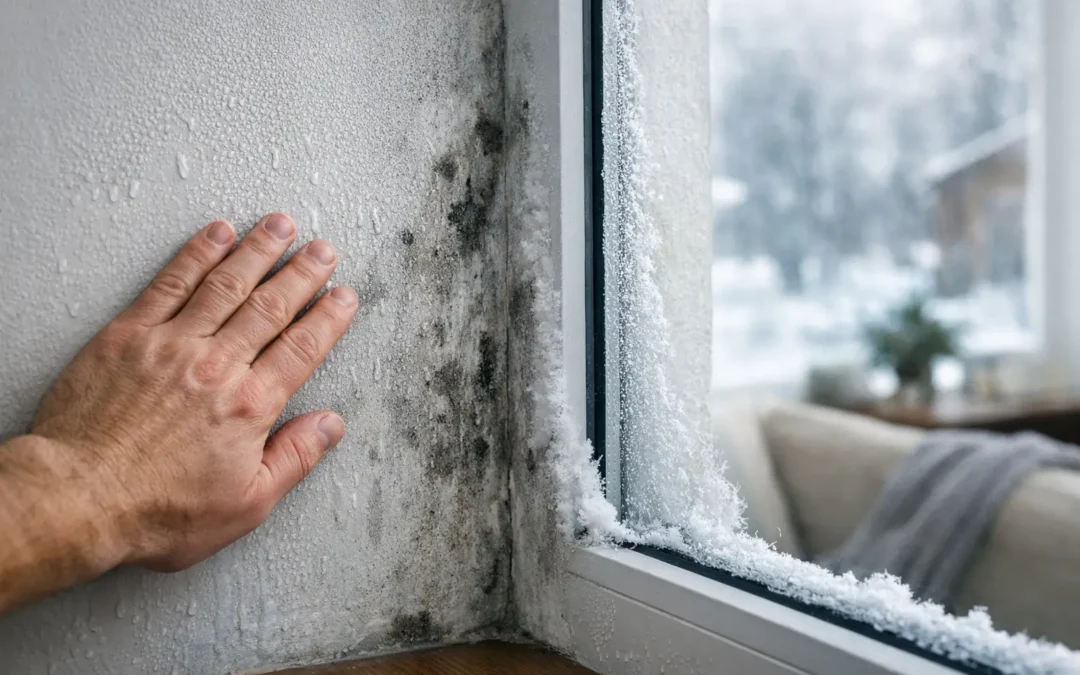
A wall that feels noticeably cold is more than an everyday annoyance during a New England winter. Cold wall causes can range from a small gap around an outlet to a larger insulation or moisture problem hidden inside the assembly. Finding the actual source matters...
by | Aug 25, 2026 | Uncategorized
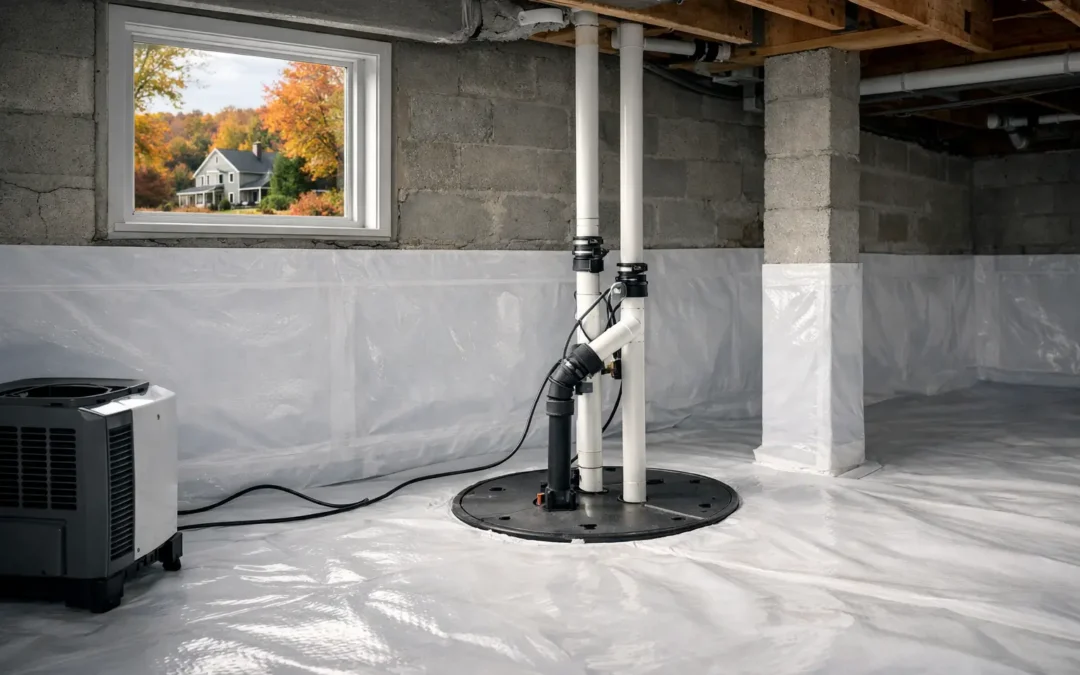
A basement that smells damp in July and feels bitterly cold in January is not just an inconvenience. It is often a building-envelope problem affecting the rooms above it, the air your family breathes, and the cost of heating your home. Proper basement encapsulation...
by | Aug 24, 2026 | Uncategorized
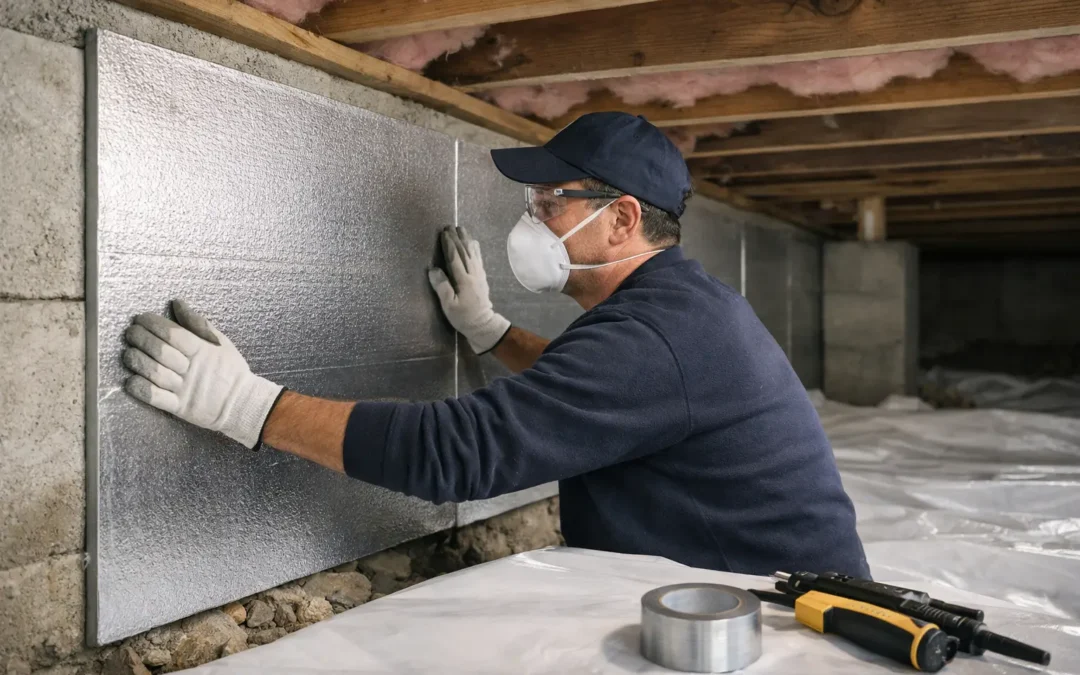
A crawlspace can quietly drive up heating costs, make first-floor rooms feel cold, and allow damp outdoor air to affect the home above. To insulate crawlspace walls correctly in New England, the work must address more than R-value. Moisture, air leakage, drainage, and...