
Noise has a way of changing the way you use your home. If you’re looking for better control over unwanted sound, insulation inside walls and ceilings deserves a closer look. The soundproofing benefits of cellulose insulation come from its ability to fill building cavities, where it helps reduce sound transmission. As a result, you may find cellulose useful when you want greater privacy and a quieter indoor environment without treating your home like a recording studio.
Why Cellulose Controls Sound
Cellulose primarily consists of recycled paper fibers, with manufacturers adding fire-retardant treatments before installation. When installers place those fibers inside a wall or ceiling cavity, the material helps absorb sound energy rather than leaving the cavity empty. This property makes cellulose useful for limiting noise that travels between rooms or enters your home from outdoors.
Hidden Wall Spaces
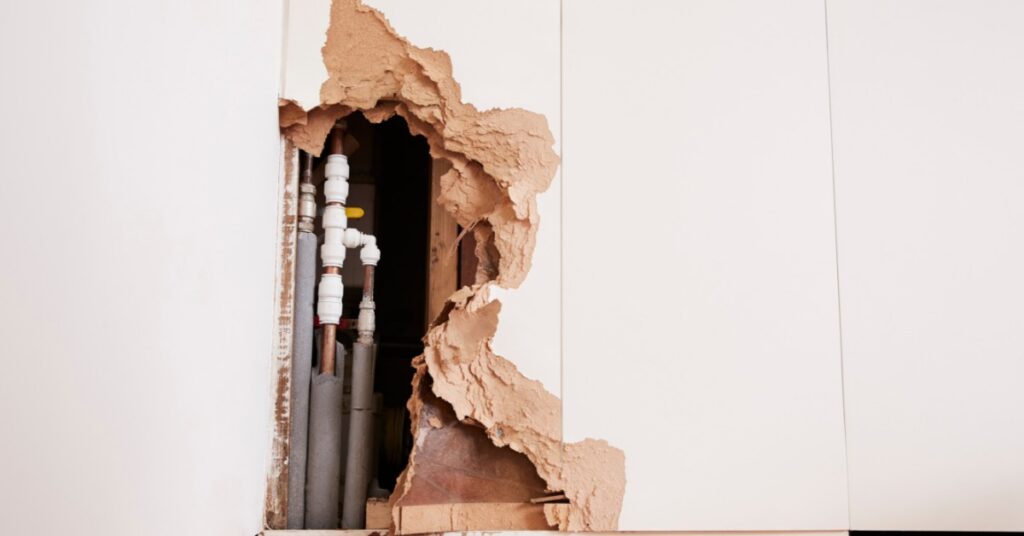
Gaps inside a wall give sound additional pathways through the building assembly, so complete cavity coverage deserves attention. Installers can apply cellulose at densities suited to walls, ceilings, and other enclosed spaces. When the material surrounds obstructions, you get fewer empty areas inside the insulated cavity. That coverage supports both thermal performance and sound control.
Cellulose doesn’t make a standard wall completely soundproof, and no responsible contractor should promise silence from insulation alone. Instead, you can use it as part of an assembly intended to reduce the amount of sound reaching the adjoining space. Paying attention to the entire assembly gives you a much more realistic expectation of the finished result.
Airborne Noise At Home
You encounter airborne sounds whenever voices or outdoor activity send sound waves through the air. Once they reach a wall or ceiling, some energy may pass through the assembly and become audible on the other side. Adding fibrous insulation within an otherwise open cavity helps absorb part of that sound energy. Consequently, you may create a calmer separation between spaces when the rest of the assembly supports good acoustic performance.
Where Cellulose Helps Most
You don’t need a particularly loud home to benefit from better noise control. A bedroom beside an active living area may need greater separation, while a home office may benefit from less conversation noise coming through an adjoining wall. Cellulose can also help limit exterior noise intrusion when installers use it in suitable assemblies.
Several areas may deserve consideration when noise regularly disrupts your home:
- Interior walls can reduce sound transfer between occupied rooms
- Exterior walls can help limit noise entering from outside
- Floor cavities can reduce sound traveling between different levels
- Home offices can gain better separation from nearby living areas
- Bedrooms can gain greater acoustic privacy from adjoining spaces
Understand Blown-In Cellulose
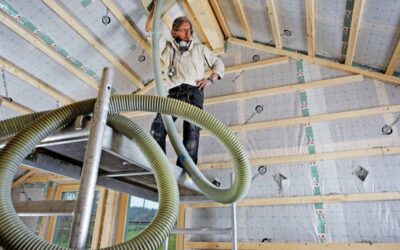
You may hear contractors describe cellulose as blown in insulation, which means installers use specialized equipment and airflow to distribute loose fibers into the intended area. In attics, installers can blow loose-fill material across open surfaces, while wall applications may use methods suited to enclosed or open cavities. Proper machine settings and installation density remain important because manufacturers establish requirements for achieving the intended insulation performance.
This installation method helps cellulose reach areas where rigid materials would require careful cutting and fitting. However, you shouldn’t assume that simply adding a greater amount will automatically produce better acoustic results.
Read Sound Ratings Correctly
Sound ratings can help you compare construction assemblies, but the numbers need context. Sound Transmission Class, or STC, describes an assembly’s ability to limit airborne sound transmission, with higher ratings indicating greater resistance to sound passing through that assembly. You should remember that an STC rating belongs to the tested wall, floor, or ceiling configuration rather than to cellulose alone.
Noise Reduction Coefficient, or NRC, describes sound absorption rather than transmission through an assembly. Therefore, it serves a different purpose from STC when you’re evaluating insulation placed inside walls or ceilings. We recommend looking closely at STC when your goal involves reducing sound between different parts of a building. Keeping those measurements separate helps you avoid deciding based on a number that doesn’t address your main concern.
Cellulose Between Floors
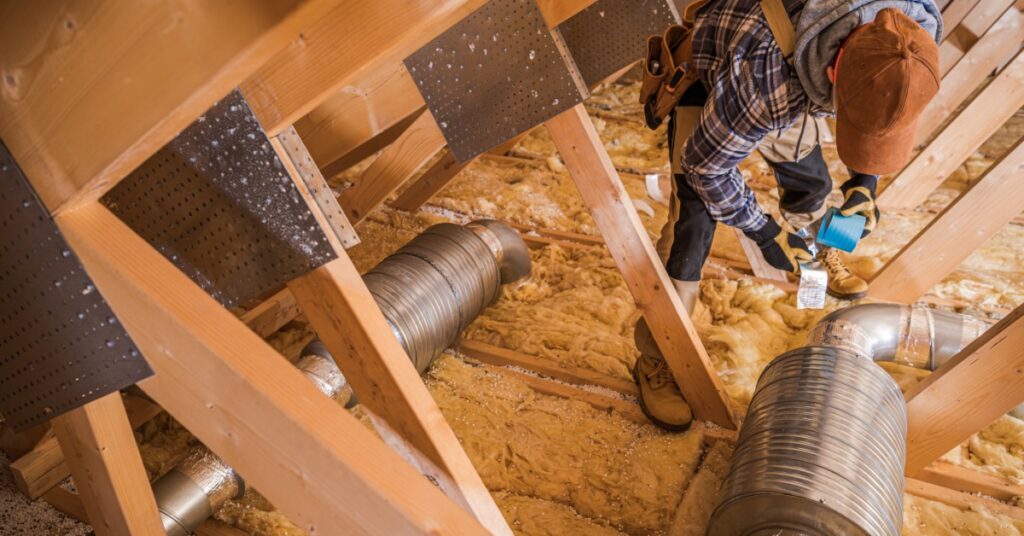
Noise between floors presents a different challenge because you may hear airborne sounds along with footsteps or other impact noise. Material density can affect acoustic ratings differently depending on the kind of noise involved. Consequently, filling a floor cavity with cellulose may support sound control, but insulation alone won’t solve every source of impact noise.
You’ll get a better result when the floor and ceiling assembly work together to address the noise problem. If footsteps create the main disturbance, other construction details may influence the result as much as cavity insulation. Meanwhile, cellulose inside the cavity can contribute sound absorption and help control transmission through the assembly. A professional assessment can help you identify which part of the construction needs attention.
Signs You Need Sound Control
You probably already know which noises bother you, but identifying where they travel helps you discuss practical improvements with an insulation professional. Pay attention to the location of the sound and the building surface that it seems to cross. This information can help determine whether a wall, ceiling, floor, or exterior assembly deserves closer inspection.
Common situations that may justify an acoustic evaluation include:
- Conversations regularly carry through adjoining walls
- Television audio disrupts nearby bedrooms or workspaces
- Outdoor traffic remains distracting inside living areas
- Activity upstairs interrupts rooms on the floor below
- Household noise makes private spaces difficult to use
Installation Quality Counts
You’ll get the best value from cellulose insulation when installers apply it according to manufacturer instructions and the requirements of the specific assembly. Proper equipment settings affect material coverage, while correct application techniques help installers fill the intended space consistently. Careful installation becomes particularly important around penetrations and other irregular areas where incomplete coverage may reduce overall performance.
Professional installation also gives you a better opportunity to match the material to your actual goal. If noise control is your priority, the contractor can evaluate the location and discuss what cellulose may realistically accomplish within the existing construction. That conversation helps separate achievable sound reduction from unrealistic promises of complete soundproofing. You’ll then have a clearer basis for deciding where an insulation project makes sense.
Colonial Insulation installs blown cellulose along with other insulation materials for residential and commercial properties across parts of New England, choosing materials according to the needs of each project. If unwanted noise keeps interrupting your space, let’s discuss whether cellulose matches your needs and your sound-control goals.