
A cold bedroom over the garage, ice dams along the roofline, or heating bills that keep climbing can all point to the same overlooked space: the attic. Knowing when to replace old attic insulation helps New England property owners address comfort and energy waste before another harsh winter puts the problem under a spotlight.
Insulation does not come with a single expiration date. A properly installed attic assembly can perform for decades, while insulation exposed to roof leaks, pests, compression, or air leakage may need attention much sooner. The right decision is based on condition, coverage, moisture control, and the performance of the entire attic, not age alone.
When to Replace Old Attic Insulation
Replace insulation when it is wet, contaminated, severely compressed, damaged by pests, or no longer providing enough even coverage for the home and local energy code expectations. In many cases, existing insulation can remain in place and be supplemented. In others, removal is the safest and most effective path.
An attic assessment should look beyond the material itself. Air leaks from ceilings, plumbing penetrations, recessed lights, attic hatches, and top plates can send warm, moist indoor air into the attic during winter. That air loss makes insulation less effective and can create condensation, frost, mold conditions, and ice dams. Adding new material without sealing those gaps may improve R-value while leaving the underlying problem in place.
Water Damage or Persistent Moisture
Wet insulation should not be ignored. Fiberglass and cellulose lose thermal performance when saturated, and damp material can hold moisture against framing or drywall. A roof leak, failed flashing, bath fan venting into the attic, or condensation from air leakage can all be responsible.
The moisture source must be corrected before new insulation is installed. If the material dried quickly and shows no contamination or deterioration, limited replacement may be possible. If insulation has remained wet, smells musty, supports mold growth, or has affected surrounding wood, removal and a more thorough attic evaluation are usually warranted.
New England homes are especially vulnerable to winter moisture problems. Heated indoor air naturally moves toward colder attic spaces through small openings in the ceiling plane. Proper air sealing, ventilation where the roof assembly requires it, and adequate insulation work together to manage that risk.
Pest, Rodent, or Animal Contamination
Rodents, squirrels, bats, and other animals can turn an otherwise serviceable attic into a health and air-quality concern. Droppings, nesting material, urine, and damaged insulation reduce performance and can introduce odors into living spaces through air leaks.
Small, isolated areas may only require targeted cleanup and repair after the entry point is sealed. Widespread contamination generally calls for professional removal, attic cleaning, air sealing, and replacement insulation. This is not a situation where simply covering the old material is a dependable solution.
Insulation Is Compressed, Thin, or Uneven
Insulation works by trapping air. When it is crushed under storage boards, packed down by foot traffic, or installed unevenly around framing and obstructions, its effective R-value falls. Bare spots are just as significant. Heat follows the easiest path out of the home, so a few thin areas can contribute to cold ceilings and uncomfortable rooms below.
For many New England attics, a deep and consistent layer of insulation is necessary to meet modern performance expectations. Older homes commonly have far less insulation than current recommendations, sometimes with only a few inches of aging fiberglass or cellulose. A professional can measure depth, identify gaps, and determine whether topping off the existing material is appropriate.
Drafts, Uneven Temperatures, and High Utility Costs
Attic insulation rarely causes a problem by itself. More often, it is part of a larger building-envelope issue. If upper-floor rooms are difficult to heat, rooms below the attic feel drafty, or air conditioning struggles during humid summers, heat transfer and air leakage at the attic floor may be contributing.
Higher utility bills are another useful signal, particularly when rates and thermostat habits have not changed. Insulation upgrades can reduce heating and cooling loads, but savings vary with the home’s starting condition, fuel type, air leakage, HVAC equipment, and occupancy. A measured assessment prevents homeowners from spending money on insulation where duct leakage, a roof issue, or another problem is the bigger priority.
Mold Odors or Discolored Framing
A musty smell near the attic hatch, visible staining on roof sheathing, or darkened insulation deserves prompt attention. These conditions can indicate moisture intrusion, condensation, or inadequate air sealing. Insulation should not hide an active moisture problem.
The repair approach depends on the cause. A roof leak requires roofing work. Condensation may call for air sealing at the ceiling plane, correct bath fan venting, and adjustments to attic ventilation. Once moisture conditions are controlled and affected materials are handled appropriately, new insulation can restore thermal performance.
Add More Insulation or Remove It First?
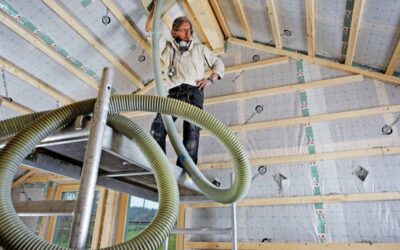
Removal is not automatically necessary just because insulation is old. Clean, dry fiberglass or cellulose that is reasonably level can often remain in place. After air sealing is completed, additional blown cellulose or another compatible material may be installed to improve overall R-value and coverage.
Removal makes more sense when existing insulation is contaminated, wet, mold-affected, badly compacted, mixed with extensive debris, or preventing access to important air-sealing work. It can also be beneficial during major renovations, when opening assemblies and correcting hidden thermal gaps is more practical.
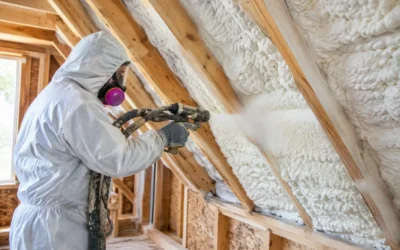
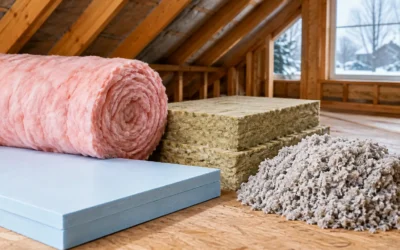
The choice of replacement material should match the attic design and project goals. Blown cellulose offers excellent coverage in open attic floors and is often a practical choice for increasing depth. Fiberglass can be effective when installed without compression or gaps. Mineral wool offers strong fire and moisture resistance in specific applications. Spray foam can provide high R-value and air-control benefits in roofline or complex assemblies, but it should be specified carefully based on the building’s moisture strategy, ventilation needs, and code requirements.
Why Air Sealing Comes Before New Insulation
Insulation slows heat flow. Air sealing stops uncontrolled air movement. Both matter, but air sealing comes first because gaps in the ceiling plane can bypass even a thick layer of insulation.
Common leakage points include wiring holes, plumbing stacks, open framing cavities, chimney chases, attic hatches, and recessed fixtures that are not properly rated and sealed for insulation contact. These details are easy to miss from inside the house, yet they can have an outsized effect on comfort and moisture control.
For builders and remodelers, sequencing matters as well. Air sealing before insulation helps protect the performance promised in plans and supports cleaner, more predictable inspections. For homeowners, it helps ensure that an attic upgrade addresses the draft rather than only covering it.
What a Professional Attic Assessment Should Include
A useful assessment begins with the attic but does not end there. The contractor should inspect insulation depth and condition, signs of pests or water, roof sheathing, ventilation details, attic access, and obvious air leakage routes. Depending on the home, an energy audit can add diagnostic value by identifying where conditioned air is escaping and which improvements will deliver the strongest results.
The recommendation should explain whether the attic needs removal, targeted repair, air sealing and an insulation top-off, or a more complete retrofit. It should also account for local code requirements, safe clearances around heat-producing equipment, proper baffling at eaves where needed, and access for future service.
A clear scope is especially valuable for renovation and commercial projects, where insulation decisions affect schedules, inspections, and coordination with roofing, electrical, and HVAC trades. Colonial Insulation helps property owners and project teams evaluate those details and select an insulation system suited to the building, the budget, and the New England climate.
Do Not Wait for a Major Failure
Attic insulation is easiest to address before a small concern becomes damaged sheathing, widespread mold conditions, or recurring ice dams. If you notice a new roof leak, animal activity, a persistent attic odor, or major temperature differences between rooms, schedule an evaluation rather than assuming more insulation alone will fix it.
A well-sealed, properly insulated attic creates a quieter, steadier barrier between your living space and the weather outside. That means warmer rooms during January cold snaps, less heat entering from the roof in summer, and a home that feels more dependable in every season.