
A home can have plenty of insulation and still feel cold near the windows, drafty at the stairs, or expensive to heat. The missing piece is often uncontrolled air leakage. Understanding the benefits of an airtight home helps New England homeowners and building professionals address the source of those problems rather than continually adjusting the thermostat.
Air sealing is not about making a house stuffy. It is about controlling where outdoor air enters and conditioned indoor air leaves, then providing intentional ventilation where needed. In a region with long heating seasons, humid summers, wind-driven rain, and frequent temperature swings, that control has a direct effect on comfort, energy use, moisture management, and building durability.
1. Lower Heating and Cooling Costs
Air leaks make heating and cooling systems work harder than they should. In winter, warm air escapes through gaps around attic penetrations, rim joists, plumbing and wiring openings, recessed lighting, and exterior-wall connections. Cold replacement air is then pulled into the home through other cracks and gaps.
That cycle is especially costly during a New Hampshire, Maine, Vermont, or Massachusetts cold snap. A furnace or boiler may run longer without making distant rooms feel consistently comfortable. In summer, humid outdoor air can enter the building while cooled indoor air escapes, increasing air-conditioning demand.
A well-designed air-sealing plan reduces this unwanted exchange. The actual savings depend on the home’s age, size, heating fuel, insulation levels, and the severity of existing leakage, but homeowners often notice that their equipment cycles less frequently and holds a more stable indoor temperature.
2. More Even Temperatures From Room to Room
The thermostat may say 70 degrees while a bedroom over the garage feels like 62. This is not always an equipment-sizing problem. Often, it is a building-envelope problem.
Air leakage and missing or compressed insulation frequently occur in the same locations: attic knee walls, cantilevers, garage ceilings, exterior corners, and rim joists. Air sealing these areas before adding the appropriate insulation helps reduce cold surfaces and drafts. Instead of heating the center of the house while the perimeter remains uncomfortable, the home can maintain more balanced temperatures throughout the living space.
For remodelers and builders, this matters because comfort complaints tend to follow the same predictable weak points. Addressing air barriers, insulation continuity, and transitions between assemblies early is less disruptive and more cost-effective than trying to solve complaints after drywall is installed.
3. Better Moisture Control and Greater Durability
Warm indoor air carries moisture. During winter, that air can move through small gaps into cold attic or wall cavities. As it cools, moisture can condense on framing, roof sheathing, ductwork, and other surfaces. Over time, repeated moisture exposure can contribute to mold growth, wood deterioration, staining, and reduced insulation performance.
Air sealing limits the movement of moisture-laden air into those hidden assemblies. It works alongside proper insulation, drainage details, vapor-control strategies, and ventilation – not in place of them. The right approach depends on the assembly and the climate zone. A historic home with fieldstone basement walls requires a different strategy than a newly framed, code-driven home.
This is one reason professional evaluation matters. Simply sealing every visible opening without considering combustion appliances, attic ventilation, bath exhaust, and moisture sources can create new issues. A building-performance approach evaluates how the house functions as a system.
4. Improved Indoor Air Quality
Not all incoming air is fresh air. Air pulled through an unfinished basement, crawlspace, garage connection, attic, or wall cavity can carry dust, insulation fibers, odors, pollen, moisture, and other contaminants into living areas.
An airtight home gives occupants more control over that pathway. By sealing unplanned leaks, the home is less likely to draw air from undesirable spaces. For households managing seasonal allergies, musty odors, or dusty rooms, this can make a noticeable difference.
Controlled ventilation remains essential. As air leakage is reduced, bathrooms, kitchens, and whole-home ventilation systems must be able to remove moisture and provide appropriate outdoor-air exchange. The goal is not to trap indoor air. The goal is cleaner, intentional air movement rather than random infiltration through the building shell.
5. Fewer Drafts and Less Cold-Air Infiltration
Drafts are one of the most immediate benefits homeowners notice after air sealing. They can occur around window and door frames, but many of the largest leaks are out of sight. Attic hatches, top plates, basement sill plates, utility penetrations, and gaps behind finished surfaces can move a surprising amount of air.
Sealing those connections makes living spaces feel more settled. Floors near exterior walls may feel warmer, rooms may recover faster after a door opens, and furniture does not need to be arranged around a cold corner or persistent draft.
Windows and doors still matter, of course. But replacing them is not always the first or only answer. In many homes, targeted air sealing and insulation upgrades can address major comfort issues while preserving windows that are otherwise in sound condition.
6. Reduced Ice Dam Risk at the Roofline
Ice dams are common across New England, and they are often misunderstood. Snow on a roof melts when heat escapes from the house into the attic and warms the roof deck. The melted water then refreezes at colder eaves, where it can form a ridge of ice that holds water behind it.
Air sealing the attic floor is a key part of reducing the heat loss that contributes to this pattern. Common leakage points include plumbing stacks, chimney chases, wiring holes, open framing cavities, and attic access doors. Once those leaks are addressed, insulation can perform more effectively above the ceiling plane.
Air sealing will not correct every roofing or ice-dam issue. Roof geometry, exterior weather conditions, insulation depth, ventilation, and existing damage all affect the outcome. Still, stopping heat from reaching the attic is one of the most practical long-term steps a homeowner can take.
7. Stronger Insulation Performance and Easier Code Compliance
Insulation is rated by R-value, which measures resistance to heat flow. But an advertised R-value does not tell the whole story when outdoor air can move around or through the insulation. Air movement can reduce real-world performance, particularly in attic and wall assemblies with gaps, voids, or poorly sealed transitions.
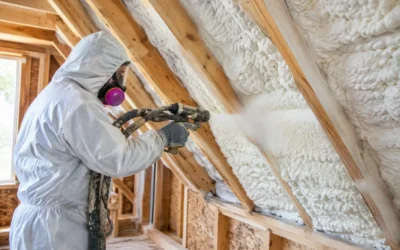
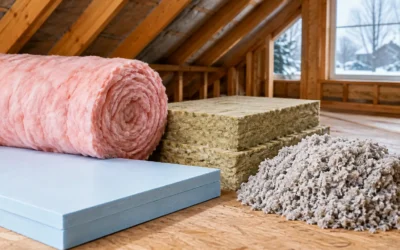
Air sealing helps insulation do the job it was selected to do. Depending on the project, that may involve blown cellulose, fiberglass, mineral wool, or spray foam. Closed-cell HFO spray foam can provide high R-value and air-sealing performance in certain applications, such as rim joists or limited cavity space. Other assemblies may benefit more from a combination of carefully sealed air barriers and lower-impact fibrous insulation.
For builders and contractors, a consistent air-sealing strategy also supports blower-door testing, energy-code requirements, and dependable first-pass inspections. Details that are coordinated before insulation installation are easier to verify, easier to protect, and less likely to create schedule delays later.
What Makes an Airtight Home Different From a Sealed-Up Home?
The benefits of an airtight home come from control, not from indiscriminately closing every opening. A high-performing home separates conditioned space from outdoors, garages, attics, crawlspaces, and other unconditioned zones. It then uses properly designed exhaust and ventilation systems to manage humidity, odors, and fresh-air needs.
This distinction is important for homes with fireplaces, wood stoves, atmospherically vented appliances, or other combustion equipment. Those systems should be evaluated carefully before major air-sealing work. Professional testing can identify leakage rates, pressure imbalances, and safety considerations that are not visible during a walk-through.
Start With the Areas That Matter Most
The best air-sealing work is guided by evidence, not guesswork. An energy audit and blower-door test can help locate major leakage pathways, while infrared imaging may reveal areas of missing insulation or thermal bridging. That information helps prioritize the improvements likely to deliver the strongest comfort and efficiency results.
For many New England homes, the attic, rim joists, basement or crawlspace connections, and utility penetrations offer meaningful opportunities. Colonial Insulation can evaluate those areas as part of a broader insulation and building-performance plan, matching materials and details to the home’s age, construction, and moisture conditions.
A tighter home is not simply a home that uses less energy. It is a home that feels dependable when the wind rises, the temperature drops, and every room needs to work as it should.