
A living room can feel cold even when the thermostat reads 70 degrees. The instinct is often to blame the windows, especially when they are older or show condensation. But with air sealing versus window replacement, the best first investment is not always new glass. In many New England homes, air is slipping through the attic, basement, rim joists, wall penetrations, and poorly connected framing long before it reaches the window itself.
Window replacement can be a smart upgrade. Air sealing can be one of the highest-value improvements a homeowner makes. The right choice depends on what is actually causing the draft, heat loss, moisture issues, or high utility bills.
Why Drafts Are Not Always a Window Problem
Windows are visible, so they receive most of the blame. If you can feel cold air near a window, though, the source may be a larger air pathway elsewhere in the house. Warm indoor air rises during winter and escapes through openings at the top of the building. That loss pulls replacement air into the home through lower-level leaks, including basement cracks, sill plates, rim joists, plumbing penetrations, and gaps behind exterior walls.
This is known as the stack effect. In a two-story New England home, it can make first-floor rooms feel chilly and create the impression that every window leaks. Replacing the windows may improve the immediate area, but it will not stop air movement through the attic hatch, recessed lights, duct chases, wiring holes, or gaps where framing meets masonry.
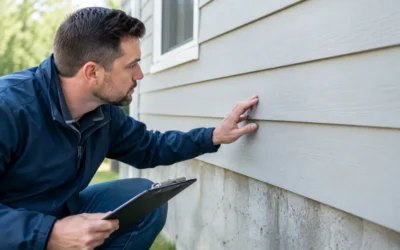
A professional energy audit helps separate a window issue from a whole-house air leakage issue. Diagnostic testing can identify where air is moving, how significant the leakage is, and which repairs will produce the most meaningful comfort improvement.
Air Sealing Versus Window Replacement: What Each Solves
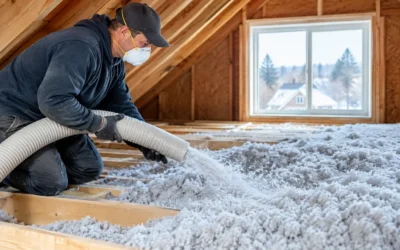
Air sealing targets unintended openings in the building envelope. The goal is to control where outdoor air enters and conditioned air leaves. Contractors commonly seal attic bypasses, top plates, rim joists, basement penetrations, plumbing and electrical openings, duct pathways, and gaps around framing. Depending on the location and assembly, the work may involve foam, caulk, weatherstripping, rigid materials, or carefully installed insulation products.
Window replacement addresses a different set of problems. New windows can improve glass performance, reduce drafts from failed seals or damaged frames, limit exterior noise, improve operation, and update the appearance of a home. Modern insulated glass units and low-emissivity coatings can reduce heat transfer compared with old single-pane or failing double-pane windows.
The difference matters because insulation and air sealing deal with air control and thermal continuity across the whole structure. A window upgrade improves a limited portion of the wall area. If the attic is under-insulated and full of air leaks, expensive new windows may not noticeably solve uneven temperatures or high heating demand.
That does not make window replacement unnecessary. It means the scope should match the diagnosis.
Signs Air Sealing Should Come First
Air sealing is often the better first step when windows are generally sound but the home has broad comfort problems. Common clues include cold floors, rooms that are difficult to heat, noticeable drafts near baseboards or outlets, ice dams, dusty indoor surfaces, or a furnace that runs frequently during cold weather.
It is also a strong priority when the attic has exposed gaps, old or compressed insulation, unsealed recessed fixtures, or visible openings around pipes and chimneys. Attic air leaks are especially costly because they allow warm, moisture-laden indoor air to enter the attic. In winter, that moisture can condense on cold surfaces, contributing to frost, damp insulation, wood staining, and ice dam conditions.
Basements and crawl spaces deserve equal attention. An unsealed rim joist can create a continuous cold band around the first floor. In older homes across New Hampshire, Massachusetts, Maine, and Vermont, this area is a frequent source of drafts and heat loss. Proper air sealing, often paired with insulation appropriate for the assembly, can make nearby rooms feel more stable without changing a single window.
Air sealing generally provides the best value when it is guided by testing rather than guesswork. Sealing a few obvious cracks with a tube of caulk can help, but whole-house performance depends on addressing the largest and most connected leakage paths.
When Window Replacement Is the Right Call
Replacement becomes more urgent when the windows themselves are failing. Wood rot, water intrusion, broken glass, failed insulated-glass seals, warped frames, damaged hardware, or windows that will not lock securely are clear reasons to consider replacement. Persistent condensation between panes means the sealed glass unit has failed. No amount of attic work can restore that window’s insulating value.
Single-pane windows may also justify replacement, particularly when they are widespread and original storm windows are missing or ineffective. They can be a major source of radiant heat loss and cold interior surfaces. Even with excellent air sealing, a very cold pane can make a room uncomfortable because occupants lose body heat to the surface.
Replacement is also sensible during a larger renovation. If siding is coming off, wall openings are already planned, or window details need to meet current code requirements, coordinating the window work with flashing, air barriers, insulation, and trim can protect the building envelope for years.
The quality of installation is as important as the window selection. A high-performance window installed with gaps around the rough opening can still leak air and allow water intrusion. Proper flashing, shimming, air sealing, and drainage details protect both energy performance and durability.
The Cost and Return Question
Homeowners often compare the price of a whole-house air-sealing project with the cost of replacing every window. The difference can be substantial. Window replacement involves product cost, labor, trim, disposal, possible siding or interior finish work, and repairs that may be uncovered once old units are removed.
Air sealing and insulation upgrades can frequently deliver more immediate whole-home comfort per dollar because they address large leakage paths and underperforming thermal boundaries. Results vary by house age, fuel type, existing conditions, and the quality of previous work, so no contractor should promise a universal savings number before evaluating the home.
There are trade-offs. Air sealing reduces uncontrolled air leakage, but a home still needs appropriate ventilation for healthy indoor air. Bathrooms, kitchens, combustion appliances, and whole-house ventilation systems should be considered as part of the plan. In a tighter home, controlled ventilation is preferable to relying on random gaps in the structure.
Incentives and financing options may also affect the decision. Energy-efficiency programs can change over time and may have specific eligibility requirements. An energy assessment can help homeowners understand which improvements fit available programs and which measures should be completed first.
A Better Order of Operations for New England Homes
For many homes, the most practical sequence is to assess air leakage, seal major bypasses, improve attic or wall insulation where needed, and then prioritize window replacement based on condition and comfort. This approach prevents a common mistake: installing new windows while leaving the rest of the building envelope full of leaks.
A typical priority order may include these four steps:
- Test the home and inspect the attic, basement, exterior walls, and mechanical penetrations.
- Seal major air leaks before burying them under new insulation.
- Add insulation to meet the needs of the assembly, climate zone, and applicable code requirements.
- Replace windows that are damaged, failing, unsafe, or demonstrably underperforming.
Builders and remodelers can apply the same thinking on renovation projects. Air barriers need to connect continuously across transitions between the roof, walls, foundation, and openings. Insulation alone cannot compensate for discontinuous air control layers, and window performance cannot compensate for careless rough-opening details.
Choose the Fix That Addresses the Building, Not Just the Symptom
If windows are visibly failing, leaking water, or beyond repair, replacement should not be delayed. If they are reasonably sound but the house feels drafty from room to room, start with an energy audit and a building-envelope assessment. The answer may be attic bypass sealing, rim-joist treatment, better insulation, weatherstripping, or a combination of measures.
Colonial Insulation helps New England property owners identify those priorities with practical building-performance recommendations. A focused assessment can turn a frustrating draft into a clear plan for warmer rooms, lower heating demand, and a home that performs reliably through every season.