
A bedroom that stays cold after the thermostat turns up, ice dams along the roofline, and rooms that feel clammy in July can all point to the same issue: an underperforming building envelope. Knowing when to replace insulation helps New England property owners solve the source of comfort and energy problems instead of repeatedly adjusting the thermostat.
Insulation does not always fail on a fixed schedule. Some materials can perform for decades when they stay dry, properly installed, and protected from pests. But settling, water damage, air leaks, renovation work, and aging materials can reduce real-world performance long before a home or building reaches the end of its useful life. The right decision starts with the condition of the insulation and the assembly around it, not age alone.
When to Replace Insulation: The Signs That Matter
Insulation replacement is worth investigating when you see a persistent change in comfort, energy use, or indoor conditions. A winter heating bill may rise because of fuel costs, but a major change in energy use with no clear explanation can also mean heat is escaping through the attic, walls, rim joists, or crawlspace.
Watch for these common signs:
- Uneven room temperatures, especially cold second-floor rooms, chilly floors over crawlspaces, or rooms that overheat in summer.
- Visible damage or compressed insulation in attics, basements, and exposed wall cavities. Insulation that is wet, flattened, or displaced cannot deliver its intended R-value.
- Moisture, staining, or mold odors near the roof deck, exterior walls, or foundation. Replacing insulation without correcting the moisture source will not solve the problem.
- Pest activity, including nests, droppings, tunnels, or insulation pulled apart by rodents. Contaminated material often needs removal for health and air-quality reasons.
- Drafts and excessive dust, which frequently indicate air leakage moving through insulation rather than an insulation problem alone.
A professional assessment can separate symptoms from causes. For example, an attic with plenty of fiberglass may still perform poorly if warm interior air leaks around plumbing penetrations, recessed lights, top plates, or the attic hatch. Air sealing those openings before adding or replacing insulation is often what produces the noticeable improvement.
Age Is a Clue, Not a Verdict
Older homes across New Hampshire, Massachusetts, Maine, and Vermont often have insulation that no longer matches current expectations for comfort or energy performance. A house built decades ago may have thin fiberglass batts, loose-fill material that has settled, or no effective insulation in key areas such as rim joists and kneewalls.
That does not mean every older insulation system must be removed. Dry, uncontaminated insulation can sometimes remain in place while new material is added to achieve a better R-value. In an attic, this may be the most practical and cost-effective approach when existing insulation is clean, evenly distributed, and not blocking ventilation pathways.
Replacement becomes the better option when old material is wet, moldy, pest-contaminated, severely settled, or installed in a way that prevents proper air sealing and inspection. Removing damaged insulation also gives crews access to hidden leakage paths and framing details that affect moisture control.
For remodelers and builders, replacement may be necessary when opening walls, converting attics, finishing basements, or changing roof assemblies. These projects are an opportunity to bring the thermal boundary and air barrier into alignment with current code requirements and the owner’s performance goals.
Moisture Damage Requires More Than New Insulation
Insulation loses much of its value when it gets wet. Cellulose can compact, fiberglass can trap moisture and become misshapen, and wet materials may contribute to mold growth if surrounding conditions support it. Spray foam behaves differently because closed-cell foam resists water absorption, but it still cannot compensate for an active roof leak, bulk water intrusion, or poor drainage.
Before insulation is replaced, the water source must be identified and corrected. Common causes include roof leaks, ice-dam damage, unvented bathroom fans, plumbing leaks, foundation seepage, and humid indoor air reaching a cold attic surface. In New England, wintertime air leaks can carry warm, moist interior air into the attic, where it condenses on the underside of the roof deck.
The solution may involve roof repair, ventilation adjustments, drainage work, air sealing, vapor-control details, or a combination of measures. Once the assembly is dry and stable, insulation can be installed to support long-term comfort without creating a hidden moisture problem.
Why Attics, Basements, and Rim Joists Need Special Attention
Not every area of a building loses heat the same way. Attics are often the first place to inspect because warm air naturally rises, and many older attics have inadequate depth, gaps, or settled loose-fill insulation. A properly air-sealed and insulated attic can reduce drafts below, stabilize upper-floor temperatures, and limit heat loss that contributes to ice dams.
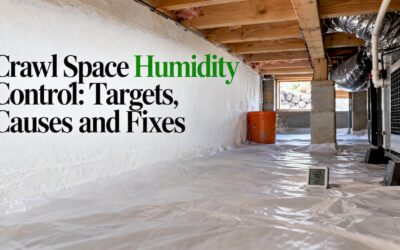
Basements and crawlspaces matter just as much. Cold foundation walls, exposed band joists, and uninsulated floors can make first-floor rooms uncomfortable even when the attic is well insulated. In these locations, the material choice must account for moisture exposure, fire-safety requirements, access, and whether the space is conditioned.
Rim joists are a frequent weak point in New England homes. They sit at the transition between the foundation and framing, where numerous gaps can allow outside air into the structure. Air sealing and insulating this area can make a meaningful difference in floor comfort and reduce the risk of cold-weather condensation.
Choose the Material for the Assembly, Not the Sales Pitch
There is no single best insulation material for every project. Performance depends on the location, available cavity depth, moisture conditions, desired R-value, and ability to control air leakage.
Blown cellulose is a strong option for many attics and dense-packed wall applications. It provides reliable thermal performance, helps limit airflow through the assembly, and is often valued for its recycled content. Fiberglass remains a practical choice for many wall, floor, and attic applications when it is installed to the correct depth and without gaps or compression. Mineral wool offers excellent fire resistance, moisture tolerance, and sound-control benefits, making it useful in both residential and commercial assemblies.
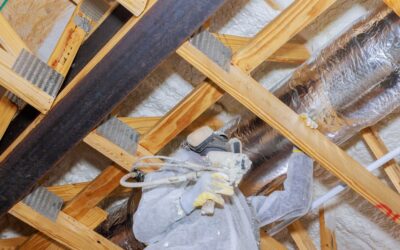
Spray foam is especially valuable where insulation and air sealing need to work together in limited space. High-performance HFO spray foam can provide substantial R-value per inch and help seal irregular cavities, rim joists, and rooflines. Closed-cell foam can also add moisture resistance, while open-cell foam may be appropriate for certain interior applications. The trade-off is that spray foam requires careful design, professional installation, and attention to code-required ignition or thermal barriers.
For builders, the material decision should also support inspection requirements. Correct thickness, coverage, air-barrier continuity, fire protection, and ventilation details all affect whether an assembly performs as designed and passes inspection without costly corrections.
Get a Building-Performance Assessment Before You Remove Anything
A visual attic check is useful, but it cannot show every air leak or thermal gap. A professional energy audit can identify where the building is losing heat, where air is entering, and whether moisture is creating risk. Depending on the project, diagnostic testing may include blower door testing, infrared imaging, moisture evaluation, and a review of insulation depth and installation quality.
This approach prevents a common mistake: adding more insulation over a problem that is actually caused by uncontrolled airflow. Insulation slows heat transfer. Air sealing controls the movement of air that carries heat and moisture. Both are needed for dependable results.
Colonial Insulation evaluates the full building envelope, then recommends an approach suited to the property, climate exposure, and project scope. That may mean targeted air sealing and added attic insulation, removal and replacement of contaminated material, or a more complete insulation upgrade during a renovation.
Plan Replacement Around the Right Project Window
Insulation work can be completed year-round, but timing can affect access and coordination. Attic upgrades are often easiest before a major roofing project or before winter exposes existing comfort issues. Basement and crawlspace work may fit naturally with foundation repairs, HVAC upgrades, or finishing plans. During renovations, insulation should be addressed before drywall closes the walls again.
Do not wait for a complete failure if the warning signs are already clear. Persistent drafts, moisture concerns, cold floors, and high utility costs tend to become more expensive when left unresolved. A focused assessment now can help you choose the right scope, protect the structure, and make every season inside feel more predictable.