
A cold first-floor bedroom, frozen-feeling hardwood, and a heating system that seems to run nonstop often point to the same overlooked area: the crawlspace. Knowing how to choose crawlspace insulation starts with more than comparing R-values. In New England, the right solution must manage winter cold, summer humidity, ground moisture, air leakage, and the way the rest of the home is built.
A crawlspace can either support a comfortable, efficient home or become a constant source of drafts, dampness, and energy loss. The best material and installation approach depend on whether the crawlspace is vented or sealed, whether moisture is already present, and where the thermal boundary belongs.
Start With the Crawlspace Condition
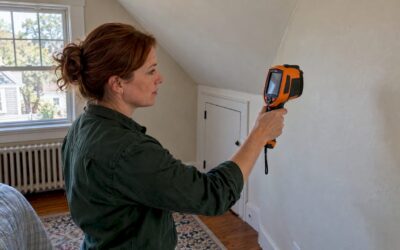
Insulation should not be used to cover up a moisture problem. Before selecting a material, inspect the crawlspace for standing water, wet soil, musty odors, visible mold, wood rot, pest activity, and disconnected or leaking ducts. These conditions can reduce insulation performance and create larger structural or indoor-air-quality concerns.
New England crawlspaces often face a difficult combination of cold outdoor temperatures and damp seasonal conditions. In winter, warm household air can leak downward through floor openings and rim joists. When it meets cold surfaces, condensation can form. In summer, humid outdoor air entering through vents can condense on cooler framing and ductwork.
The source of water must be addressed first. That may mean improving exterior grading, extending downspouts, repairing foundation drainage, adding a sump system, or installing a durable ground vapor barrier. A dry crawlspace gives insulation a chance to do its job for the long term.
Decide Whether to Insulate the Floor or Crawlspace Walls
The biggest decision is where to place insulation. The answer depends on whether the crawlspace will remain vented or become part of the conditioned building envelope.
Insulating the Floor Above a Vented Crawlspace
In a traditionally vented crawlspace, insulation is installed between the floor joists above the crawlspace. This approach keeps the crawlspace outside the home’s thermal boundary and is sometimes appropriate when the area is dry, accessible, and likely to remain vented.
Fiberglass batts or mineral wool can be used beneath the subfloor, provided they are properly supported and protected from moisture. The challenge is air movement. Insulation alone does not stop cold air from moving around plumbing penetrations, wiring holes, duct openings, or gaps at the rim joist. Without air sealing, even a high-R-value floor assembly can still feel drafty.
Floor insulation also leaves pipes, ducts, and mechanical equipment in a cold environment. That can increase freeze risk and reduce HVAC efficiency. For homes with extensive ductwork or plumbing in the crawlspace, this approach may not deliver the best overall performance.
Insulating Crawlspace Walls in a Sealed Space
For many New England homes, insulating the crawlspace walls as part of a sealed or encapsulated crawlspace provides a more durable solution. The ground is covered with a sealed vapor barrier, exterior vents are closed when appropriate, air leaks are addressed, and insulation is applied to foundation walls and rim joists.
This strategy brings the crawlspace inside the thermal boundary. Floors above often feel warmer, pipes are better protected, and ducts operate in a more moderate environment. It can also reduce the movement of damp, musty crawlspace air into the living space.
A sealed crawlspace requires careful design. Depending on the home and local requirements, it may need controlled conditioning, dehumidification, or a connection to the home’s HVAC system. The goal is not simply to close vents. The goal is to create a dry, controlled space that stays dry through every season.
Compare Crawlspace Insulation Materials
The best crawlspace insulation material is the one that fits the assembly, moisture conditions, budget, and performance goals. Each option has a different role.
Closed-Cell Spray Foam
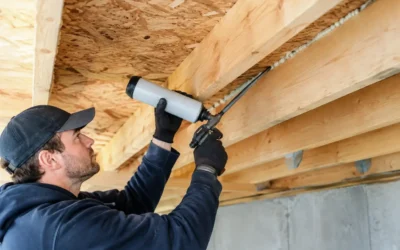
Closed-cell spray foam is often well suited for crawlspace foundation walls, rim joists, and irregular areas where air sealing matters as much as insulation. It adheres directly to surfaces, delivers a high R-value per inch, and resists moisture better than many fibrous products.
For tight crawlspaces with stone, block, or uneven foundation walls, spray foam can seal difficult gaps that would be hard to address with rigid boards alone. Next-generation HFO spray foam offers strong thermal performance while supporting a more responsible approach to insulation materials.
The trade-off is cost. Spray foam is typically a higher upfront investment than fiberglass or cellulose. It also requires trained installation because thickness, substrate conditions, ventilation, and code-required thermal barriers all matter. When it solves air leakage and moisture exposure in one application, however, its long-term value can be substantial.
Rigid Foam Board
Rigid foam board can provide good insulating value on crawlspace walls and can help limit heat loss through concrete or masonry. When seams are carefully sealed, it also contributes to air control.
Its performance depends heavily on installation quality. Boards need to fit tightly, seams need compatible tape or sealant, and penetrations need attention. Foundation walls are rarely perfectly flat, especially in older New England homes, so gaps can undermine the assembly if they are not properly sealed.
Rigid foam may also require an approved ignition or thermal barrier, depending on the product, location, and local code. A contractor should confirm the required details before installation, not after an inspection raises concerns.
Mineral Wool and Fiberglass
Mineral wool is valued for its fire resistance, sound control, and ability to maintain its shape. Fiberglass remains a practical, cost-conscious choice for some floor-joist applications. Both materials can work well in the right dry assembly.
Neither is a substitute for air sealing or moisture control. If exposed to ongoing dampness, sagging, air movement, or pest disturbance, underfloor batts can lose effectiveness. In crawlspaces with known moisture concerns, wall insulation and encapsulation are often the stronger long-term path.
Blown Cellulose
Blown cellulose is highly effective in enclosed wall and attic applications, but it is generally not the first choice for exposed crawlspace conditions. It should not be installed where it may absorb moisture or be exposed to ground dampness. Its role in a crawlspace project may be above the crawlspace, such as in connected floors or walls, rather than inside the crawlspace itself.
How to Choose Crawlspace Insulation by R-Value
R-value measures resistance to heat flow, but the highest number is not automatically the best choice. A poorly sealed R-19 floor can underperform a lower-R-value wall assembly that controls air leakage and moisture correctly.
Required R-values vary by state, building type, and whether the insulation is installed in floors, walls, or foundation assemblies. New Hampshire, Massachusetts, Maine, and Vermont also have code requirements that can change as energy standards are updated. Builders and remodelers should verify the applicable code for the project location and permit scope.
For homeowners, the practical question is this: will the insulation create a continuous thermal layer around the areas that need protection? Gaps at rim joists, sill plates, and foundation transitions can have an outsized effect on comfort. A complete system considers insulation depth, air sealing, vapor control, and drainage together.
Do Not Ignore Rim Joists, Ducts, and Pipes
The rim joist is one of the most common sources of cold floors and drafts. It sits at the edge of the floor framing, where wood, foundation, exterior walls, and floor cavities meet. This area is often underinsulated and full of small air leaks.
Closed-cell spray foam is frequently used at rim joists because it insulates and air seals in one step. Properly sealing this transition can make a noticeable difference in first-floor comfort and help reduce cold air infiltration.
Ducts and pipes deserve the same attention. If a crawlspace remains outside the thermal boundary, water lines may need freeze protection and ducts may need insulation and sealing. If the crawlspace is encapsulated, keeping these systems within the conditioned envelope can improve durability and energy performance.
Choose an Installation Plan, Not Just a Product
Crawlspace insulation is not a commodity purchase. The right plan should account for foundation type, clearance height, existing insulation, soil moisture, mechanical equipment, local code, and how occupants use the home.
For a renovation or remodeling project, insulation work should also align with the construction schedule. Air sealing and foundation-wall insulation are easiest to complete before access is blocked by new finishes, ductwork, or framing. For builders, clear scope and inspection-ready detailing help prevent delays and callbacks.
A professional assessment can identify whether a vented floor system or an encapsulated wall system makes sense for the property. Colonial Insulation evaluates crawlspaces as part of the larger building envelope, so recommendations address the causes of discomfort instead of treating the visible symptom.
A crawlspace that stays dry, sealed, and properly insulated can make the rooms above it feel noticeably different on the coldest January morning. Start by solving moisture and air leakage, then choose the insulation assembly that will protect the home for years rather than simply adding material where it is easiest to reach.