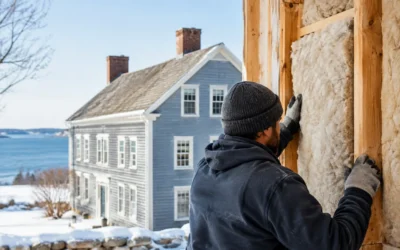

A cold bedroom over the garage, ice dams at the eaves, a basement that smells damp, and heating bills that keep climbing often point to the same underlying issue: the building envelope is not doing its job. The most effective energy saving upgrades do more than reduce fuel use. They make rooms feel more even, manage moisture, improve indoor air quality, and help a home or commercial building stand up to New England winters and humid summers.
For property owners, the challenge is deciding where to begin. Windows, HVAC equipment, and insulation all matter, but the best first investment depends on how heat, air, and moisture are moving through the building. A measured plan prevents money from being spent on visible upgrades while the biggest sources of waste remain hidden in the attic, walls, rim joists, and penetrations.
Start With an Energy Audit, Not a Guess
A professional energy audit provides a practical picture of where a building is losing energy and comfort. Rather than assuming the attic is the only problem, an auditor can identify air leakage pathways, insulation gaps, moisture risks, and temperature differences between rooms. Tools such as blower door testing and thermal imaging can reveal issues that are difficult to spot during a walk-through.
This matters because insulation and air sealing have different jobs. Insulation slows heat transfer. Air sealing controls the uncontrolled movement of outdoor air through cracks and openings. A well-insulated attic can still underperform if warm indoor air is leaking around plumbing stacks, recessed fixtures, attic hatches, and wiring penetrations.
For builders and remodelers, an audit or building-performance assessment can also help verify scope before finishes are installed. Finding a bypass behind a knee wall or an unsealed transition at a garage ceiling is far less disruptive before drywall, trim, and flooring are complete.
Air Sealing Is Often the First High-Value Upgrade
New England homes are full of small gaps that add up. Air leaks commonly occur at the attic floor, foundation sill, rim joists, exterior wall penetrations, duct and pipe chases, and around doors and windows. In winter, those leaks allow heated air to escape and draw cold replacement air into the structure. In summer, they can allow humid outdoor air into cooled spaces.
Targeted air sealing reduces those leaks without turning a building into a stagnant box. Proper ventilation remains part of a healthy building strategy, particularly after significant air-sealing work. The goal is to replace random, unfiltered drafts with controlled ventilation where needed.
Air sealing can produce immediate comfort improvements. Floors above basements may feel less cold, rooms near exterior walls can become more stable, and dust or pollen infiltration may be reduced. It also protects insulation performance. Air moving through insulation can carry heat and moisture, reducing the real-world benefit of the material.
Prioritize Attic Insulation and Roofline Details
For many New England properties, the attic is the most important place to evaluate. Heat naturally moves upward during the heating season, and an attic with thin, compressed, or uneven insulation creates a large pathway for loss. Warm air leaking into the attic can also contribute to snow melt and refreezing at the roof edge, increasing the risk of ice dams.
The right attic approach depends on whether the attic is vented, used for storage, or contains HVAC equipment. In a conventional vented attic, air sealing the ceiling plane before adding insulation is usually essential. Blown cellulose can provide consistent coverage around framing and obstacles, while fiberglass may be a practical fit for certain assemblies and budgets.
When ductwork or mechanical equipment is located in the attic, insulating and air sealing at the roofline may be the better building-performance strategy. Closed-cell HFO spray foam can provide high R-value per inch and help control air movement in areas where space is limited. It may also be useful where moisture resistance and added rigidity are priorities.
Spray foam is not automatically the right choice for every project. Cost, required R-value, roof design, access, and future renovation plans all affect the decision. A qualified contractor should recommend the insulation system that fits the assembly instead of forcing every building into one product category.
Address Basements, Crawl Spaces, and Rim Joists
A chilly first floor often begins below it. Foundation walls, crawl spaces, and rim joists are frequent sources of cold air, moisture, and heat loss. The rim joist, where the wood framing meets the foundation, is particularly prone to leakage because it contains many seams and penetrations.
Insulating this area can improve floor temperatures and reduce drafts along exterior walls. Closed-cell spray foam is often selected for rim joists because it provides insulation and air sealing in one application. Mineral wool and rigid insulation can also be effective when detailed carefully for the specific assembly.
Moisture must be considered before insulating below grade. A wet basement is not solved by adding insulation over the problem. Water management, drainage, foundation condition, and vapor control should be evaluated first. The right approach keeps materials dry, limits condensation potential, and supports healthier indoor air.
Choose Materials Based on Performance, Not Hype
Every insulation material has a role. The best choice depends on the location, target R-value, exposure to moisture, fire requirements, sound-control needs, and project budget.
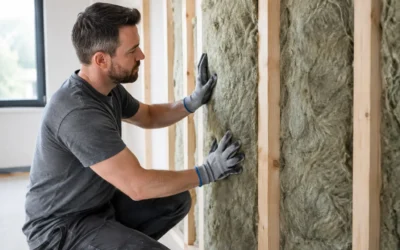
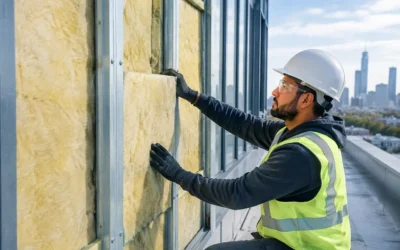
Blown cellulose is a strong option for many attics and enclosed cavities. It provides dense, even coverage and is often valued for its recycled content. Fiberglass remains a dependable and cost-effective choice when installed without gaps, compression, or voids. Mineral wool offers excellent fire resistance, sound reduction, and moisture tolerance, making it useful in many wall, floor, and commercial assemblies.
Spray foam can be especially valuable in irregular cavities, tight rooflines, rim joists, and locations where air sealing is a major concern. Open-cell and closed-cell products perform differently, so material selection should be based on the assembly rather than a blanket rule. In New England, HFO spray foam can provide high thermal performance while supporting a more modern approach to blowing-agent technology.
Installation quality is as important as material selection. Even a high-rated product will not deliver expected results if it is poorly fitted, missing at edges, or installed without addressing air leakage and moisture conditions.
Pair Envelope Work With HVAC and Ventilation Planning
Energy saving upgrades work best as a system. Once a building is better insulated and sealed, heating and cooling loads may decrease. That can affect HVAC sizing. Installing oversized equipment after envelope improvements can lead to short cycling, uneven comfort, and unnecessary expense.
This is especially relevant for renovations and additions. A new room with excellent insulation but poor duct design may still be uncomfortable. Likewise, a high-efficiency heat pump will struggle to deliver its full value if it serves a leaky attic conversion or an uninsulated crawl space.
Ventilation deserves the same planning. Tighter homes may benefit from mechanical ventilation strategies that bring in fresh air in a controlled way. This supports indoor air quality without relying on random drafts through wall cavities and attic bypasses.
Plan Upgrades Around the Building and the Budget
A whole-building approach does not mean every project must happen at once. A homeowner might start with attic air sealing and insulation, then address rim joists and basement walls during a later phase. A commercial owner may prioritize the areas driving tenant complaints or the highest utility demand. Builders may schedule insulation, air sealing, and verification to keep inspections moving without rework.
The most practical sequence is usually to correct water and air problems first, add or improve insulation next, and then evaluate mechanical upgrades. Available financing and efficiency incentives can make a larger scope more manageable, but the work should still be chosen for real building needs, not solely because a rebate exists.
Colonial Insulation helps New England property owners and trade partners evaluate these choices with recommendations based on climate, construction details, code requirements, and long-term performance. The aim is not simply more insulation. It is a building that stays more comfortable, uses less energy, and is prepared for the seasons ahead.
If your property has persistent drafts, uneven temperatures, high heating costs, or signs of attic and basement moisture, start with an informed assessment. The right upgrade is the one that fixes the cause of the problem and continues paying back in comfort every day you occupy the space.