
A cold bedroom over the garage, ice dams at the eaves, and a furnace that seems to run without relief are rarely problems homeowners plan for in the budget. Insulation financing for homeowners can make it possible to correct those building-envelope issues now, rather than accepting another season of high utility bills and uneven comfort.
For New England homes, the right project is not always the largest project. A targeted air-sealing and insulation plan can often address the areas that waste the most energy first: an underinsulated attic, leaky rim joists, unconditioned crawlspaces, or gaps around plumbing and wiring penetrations. Financing should support that priority, not push a homeowner toward work that does not match the home’s actual needs.
Why insulation is worth financing
Insulation is easy to overlook because most of it sits behind drywall, above ceilings, or below floors. Its effects are much more visible. A well-designed insulation and air-sealing system helps keep heated air inside during a New Hampshire or Vermont winter and limits heat and humidity entering during a Massachusetts or Maine summer.
That can mean rooms that stay closer to the thermostat setting, fewer drafts near exterior walls, less strain on heating and cooling equipment, and more predictable energy costs. Properly selected materials also play important roles in moisture control, sound reduction, and indoor air quality.
The financial case is strongest when the project solves a persistent performance problem. If a homeowner is replacing wet or compressed attic insulation, remodeling a bonus room, or correcting air leaks found during an energy audit, delaying the work can allow the underlying problem to continue. Moisture can damage materials, air leakage can carry dust and allergens into living spaces, and poorly insulated areas can contribute to condensation and ice-dam conditions.
Financing does not make every project automatically affordable. Interest, loan fees, and repayment terms matter. Still, spreading the cost over time may be a practical choice when the work improves daily comfort, protects the building, and reduces avoidable energy loss.
Insulation financing for homeowners: common paths
Homeowners generally have several ways to pay for insulation improvements. The right fit depends on project scope, available equity, credit profile, timing, and whether the work is part of a larger renovation.
Contractor-arranged payment plans
Some insulation contractors offer financing through a third-party lending partner. These plans can be convenient because homeowners can apply in connection with the quote and coordinate approval with project scheduling. Depending on the program, repayment may involve fixed monthly payments, promotional terms, or a standard installment loan.
Read the terms closely before signing. A low monthly payment can reflect a long repayment period, while a promotional rate may change if the balance is not paid within a specific window. Ask for the annual percentage rate, any origination or deferred-interest provisions, the full repayment amount, and whether prepayment carries a penalty.
For many homeowners, this option works well when a clear scope of work has already been established and the project needs to move forward promptly. It may be less attractive for someone who expects to pay off the balance quickly and can qualify for a lower-cost loan elsewhere.
Home equity loans and lines of credit
A home equity loan or home equity line of credit may offer competitive rates for qualified homeowners because the loan is secured by the property. These options can be useful for broader projects that combine insulation with roofing, siding, window replacement, or a major remodel.
The trade-off is that the approval process can take longer and may involve appraisal, closing costs, or variable interest rates for a line of credit. Because the home secures the borrowing, homeowners should be comfortable with the repayment obligation before using equity for an energy upgrade.
Personal loans and savings
An unsecured personal loan may be a straightforward option for a focused attic, basement, or crawlspace project. It does not require using the home as collateral, and fixed payments can make budgeting simpler. Rates vary widely, so comparing offers is worthwhile.
Paying from savings avoids interest altogether. That can be the best value when the project is manageable without draining the emergency fund. A homeowner should not trade one problem for another by using every available dollar on insulation and leaving no room for an unexpected repair.
Incentives, rebates, and tax credits
Efficiency incentives can reduce the amount that needs to be financed. Utility programs, state programs, and federal tax incentives may support qualifying insulation, air sealing, or energy-audit work. Availability, income requirements, eligible materials, installation standards, and annual funding can all change, so incentives should be confirmed before work begins.
Treat a rebate as a potential cost reduction, not money already in hand. Some programs require pre-approval, specific documentation, or installation by an eligible contractor. Tax credits also have rules and limits, and homeowners should consult a qualified tax professional for advice on their individual situation.
Start with the building, not the payment
A financing conversation should follow a thorough assessment of the home. Adding insulation without addressing significant air leakage can limit results. Warm, moist indoor air can still move through gaps into a cold attic, where it may condense on framing and roof sheathing. In other cases, ventilation, drainage, or existing moisture damage must be addressed before insulation is installed.
A professional energy audit or building-performance assessment helps identify where the home is losing energy and why. The findings can guide decisions about air sealing, attic insulation depth, basement or crawlspace treatment, wall insulation, and material selection.
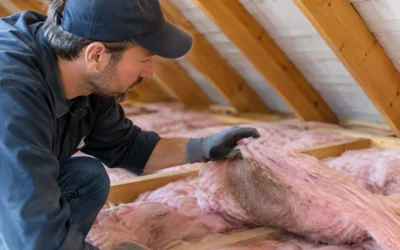
For example, blown cellulose can be an effective choice for bringing open attic floors to the appropriate R-value. Fiberglass and mineral wool can serve well in many wall and cavity applications, with mineral wool offering strong fire resistance and sound-control benefits. Closed-cell HFO spray foam provides high R-value per inch and can help manage air and moisture movement in suitable locations. Each material has a place, but none should be selected solely because it appears to offer the fastest payback.
Build a realistic project budget
A useful quote should make the work understandable. Homeowners should know what areas will be insulated, what preparation is included, how air sealing will be handled, what material and target R-value are recommended, and whether old insulation removal or ventilation work is needed.
When comparing financing options, look beyond the installed price. Consider the monthly payment alongside the estimated energy savings, but avoid assuming savings will exactly equal the payment. Energy use depends on weather, fuel prices, thermostat settings, equipment condition, household routines, and the starting condition of the home.
It is also wise to ask whether the proposal addresses the source of the problem. An attic project that includes air sealing at top plates, wiring penetrations, chimney clearances, and access hatches is different from simply adding material on top of leaks. A lower quote is not always the lower long-term cost if it leaves the major leakage paths untouched.
For renovation and remodeling work, financing may be easier to manage when insulation is planned early. Once drywall is installed, many air-sealing details and cavity-insulation opportunities become more expensive or impossible to reach. Builders and homeowners can protect both schedule and budget by defining insulation requirements before finishes are selected.
Questions to ask before you apply
Before choosing a loan or payment plan, homeowners should get clear answers to a few practical questions. What is the total financed amount after any expected rebates? Is the rate fixed or variable? What will the monthly payment be, and how long will repayment last? Are there fees, deferred-interest conditions, or penalties for early payoff?
Ask the insulation contractor about timing as well. Is financing approval required before materials are ordered? Is a deposit due? When is the final payment collected? A professional contractor should be able to explain the project scope and payment process in plain language without pressuring a homeowner to decide before reviewing the terms.
At Colonial Insulation, the goal is to match the insulation strategy to the home, its climate exposure, and the owner’s budget. That may mean a full attic upgrade, a targeted air-sealing project, or a phased plan that handles the highest-impact areas first.
A well-planned insulation project should leave a homeowner with more than a payment schedule. It should create a quieter, more even, and more dependable home through the weather New England delivers. Start with a clear assessment, compare financing terms carefully, and invest first where the building will benefit most.