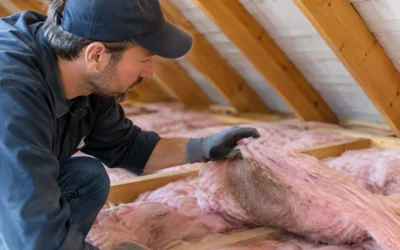

The air inside your home directly affects your comfort every day. Gaps around framing and attic connections allow outside air to move freely through your home, bringing moisture and airborne pollutants with it. When you choose spray foam to improve indoor air quality, you address those hidden air leaks. As a result, your living space stays cleaner and more comfortable throughout the year.
Hidden Leaks Around Your Home
Many air leaks remain completely out of sight because they’re located behind walls or beneath flooring. You may never notice them in daily life, yet those openings continue to draw outside air indoors whenever pressure changes occur. Seasonal weather makes that movement even stronger as warm and cool air naturally shifts through the building envelope. Closing those pathways reduces one of the largest sources of unwanted airborne contaminants.
Why Air Sealing Helps
When unwanted air enters your home, it rarely arrives alone. Dust, pollen, and humidity frequently travel with it, creating conditions that reduce indoor comfort over time. Limiting those entry points helps your indoor environment stay cleaner while reducing the amount of airborne debris circulating through each room.
Several benefits are easier to notice after air leaks receive proper attention:
- Less outdoor dust enters your living space
- Pollen has fewer pathways into the home
- Humidity levels are easier to manage
- Heating and cooling systems circulate cleaner air
- Indoor temperatures stay more consistent
What Makes Spray Foam Different
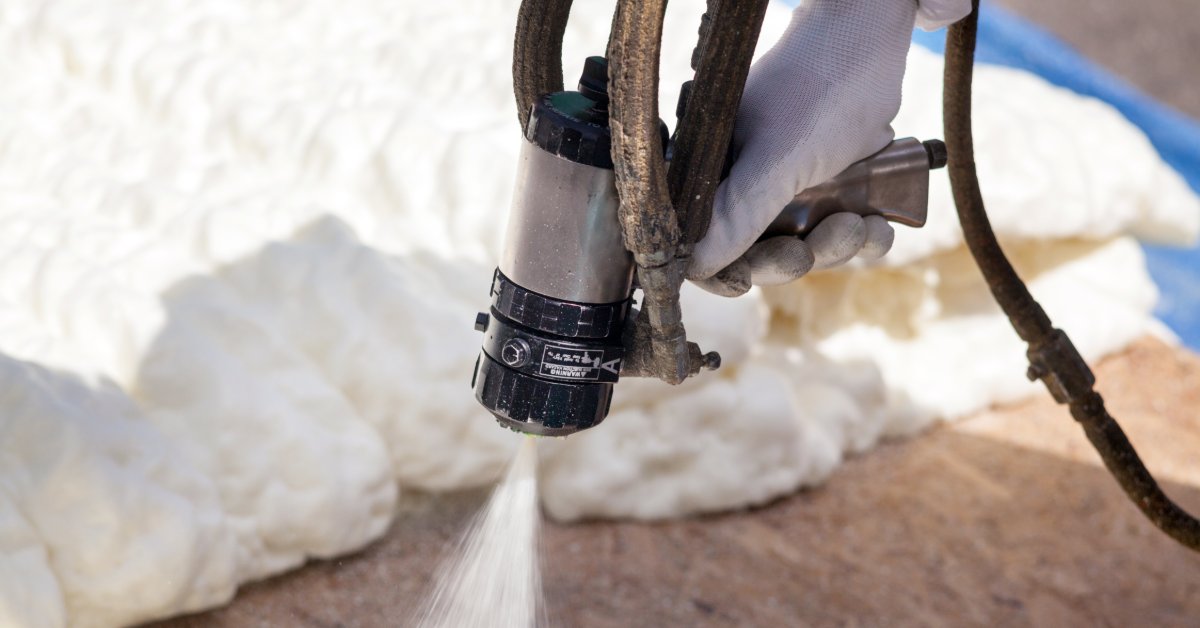
Unlike many insulation products that primarily slow heat transfer, spray foam insulation expands after application and fills small gaps that would otherwise remain open. That expansion creates an effective air barrier while adding insulation value, making it different from materials that leave tiny pathways around framing members or irregular surfaces. You gain thermal performance and air sealing at the same time, which makes it a valuable option in many parts of a home.
Expansion Creates a Tight Seal
Liquid components combine during installation and quickly expand into cavities and form around structural features. That process allows the material to conform to irregular spaces that traditional insulation may struggle to cover completely. Once cured, the foam remains in place and continues blocking unwanted airflow for many years. You benefit because conditioned air stays where you want it to be instead of escaping through hidden openings.
Cleaner Air Starts Here
Every season brings different challenges to your home’s indoor air. Spring fills the air with pollen, summer adds extra humidity, autumn stirs up dust and debris, while winter creates pressure differences that draw outside air through small cracks.
Spray foam can improve indoor air quality by reducing the amount of outside air that enters your home through hidden leaks. When there are fewer pollutants, your HVAC system circulates cleaner air. As a result, your indoor environment becomes easier to manage.
Moisture Deserves Attention
Moisture affects indoor air quality in ways you may not immediately notice. Excess humidity supports conditions that allow mold growth when water repeatedly reaches vulnerable materials. Air sealing reduces moisture movement through the building envelope, making humidity easier to control with your home’s heating and cooling equipment. That added stability supports a healthier indoor environment.
Comfort Goes Beyond Temperature
Many homeowners focus first on energy savings, yet comfort extends beyond lower utility bills. You notice greater comfort when rooms maintain similar temperatures and outside drafts disappear. That steady indoor environment also reduces the amount of dust moving through your home during daily HVAC operation.
Air quality improves because fewer pollutants travel indoors through uncontrolled airflow. Cleaner air supports a fresher living environment, especially during allergy seasons when outdoor particles become more abundant.
Less Dust Every Week
If you constantly wipe furniture only to see another layer of dust appear a few days later, unwanted airflow may contribute to the problem. Outdoor particles enter through numerous small openings that remain hidden behind finished surfaces. Air sealing reduces those entry points, so less dust circulates throughout your living spaces. You spend less time cleaning while enjoying cleaner indoor surfaces.
Where Installation Helps Most
Certain parts of a home experience greater air leakage than others because multiple building components meet in those locations. Attics, crawl spaces, and garage connections commonly allow unwanted airflow to move indoors. Addressing those areas provides meaningful improvements because they influence the entire home’s performance.
Professionally identifying leakage points allows each area to receive the right solution. Careful installation also supports long-term performance by sealing difficult spaces that homeowners rarely reach on their own.
Long-Term Indoor Benefits

Air sealing creates lasting improvements that continue well beyond the installation day. You may notice cleaner indoor surfaces and fewer drafts as your home maintains better control over airflow. Daily comfort becomes easier to maintain because outside conditions have less influence on your indoor environment.
The long-term advantages become easier to appreciate over time:
- Indoor dust accumulation slows
- Drafts become less noticeable
- Humidity stays more balanced
- HVAC systems operate under steadier conditions
- Living spaces remain more comfortable year-round
Choose Professional Installation
Quality installation plays a major role in achieving reliable results because proper application requires training, experience, and careful attention to building details. Every home presents different construction features, so installers evaluate each space before recommending the right insulation approach. A thoughtful assessment helps match the insulation strategy to your home’s specific needs instead of relying on a one-size-fits-all solution.
Experience Makes a Difference
Air quality isn’t something to overlook in your home. Combining proper air sealing with quality insulation is essential for maintaining good indoor air quality.
You benefit from working with trained professionals who understand insulation performance and building science. Small details during installation influence long-term comfort and indoor air quality. Experienced crews know where hidden leakage points commonly appear and address them carefully during the installation process. That attention to detail helps create lasting results throughout your home.
Colonial Insulation serves homeowners across New England by recommending insulation solutions that fit each home’s specific needs. If you’re ready to create a cleaner, healthier indoor environment, reach out to our team and schedule a professional evaluation to discover where improvements can make the greatest difference.