
A homeowner searching HFO foam reviews is usually looking for more than a product rating. They want to know whether spray foam will stop the cold floors, ice-dam concerns, summer humidity, and high utility bills that make a New England home difficult to live in. The honest answer is that HFO foam can be an excellent building-envelope solution, but its results depend heavily on where it is installed, how the assembly is designed, and whether the crew applies it correctly.
What HFO Foam Reviews Are Really Telling You
HFO stands for hydrofluoroolefin, a newer type of blowing agent used in many closed-cell spray foam products. The blowing agent creates the foam’s cellular structure as it expands. Compared with older HFC-based closed-cell foams, HFO foam is designed to offer substantially lower global-warming impact while maintaining the high R-value, air-sealing performance, and moisture resistance that make closed-cell foam useful in demanding assemblies.
That is a meaningful improvement, especially for homeowners and builders who want an efficient home without overlooking material impacts. But product chemistry is only one part of the review. A five-star experience usually reflects a complete result: rooms feel more even, drafts are reduced, the attic or basement is better controlled, and the installation passes inspection without a corrective visit.
A poor review may not mean HFO foam itself was the wrong material. It may point to an incomplete air-sealing plan, inaccessible leaks left untreated, an installer who sprayed at the wrong thickness, or a ventilation issue that became more noticeable after the home was tightened. Spray foam is not a one-size-fits-all repair. It is a high-performance material that needs a high-performance installation plan.
HFO Foam Reviews: The Benefits Homeowners Notice
The most consistent positive feedback centers on comfort. Closed-cell HFO foam provides a high R-value per inch, which is valuable where framing cavities are shallow or where space is limited. In a roofline, basement wall, rim joist, or cantilevered floor, that performance can help reduce heat loss without requiring an overly thick assembly.
Its air-sealing capability is equally important. Insulation slows heat transfer, but moving air can carry heat and moisture through gaps around framing, wiring, plumbing, and transitions between building materials. When spray foam is installed as part of a deliberate air-sealing strategy, homeowners often notice fewer cold drafts and less temperature swing between floors.
Moisture control is another reason HFO closed-cell foam earns favorable reviews. Its dense structure can limit vapor movement and resist water absorption better than many fibrous insulation materials. That can be particularly useful in New England basements, crawlspaces, cathedral ceilings, and other locations where cold surfaces and humid indoor air can create condensation risk.
For builders and remodelers, the practical appeal is often simpler: a properly specified foam system can address insulation, air sealing, and moisture management in one coordinated installation. That can help protect schedules and support code-compliant assemblies, provided the project team accounts for required ignition or thermal barriers and local code requirements.
Performance Depends on the Location
The same product can be an excellent choice in one part of a building and unnecessary in another. Closed-cell HFO foam is often selected for rim joists, foundation walls, exterior wall cavities with limited depth, roof decks, and areas exposed to elevated moisture risk. Its rigidity can also add some structural benefit in certain applications, though it should never replace required structural design.
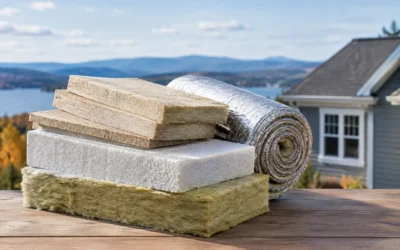
For a large open attic floor or standard wall cavity, blown cellulose, fiberglass, mineral wool, or a hybrid system may provide better value. For example, air sealing and closed-cell foam at critical transitions may be paired with blown insulation across an attic floor. The goal is not to put foam everywhere. The goal is to use the right material in the right location to create a durable thermal boundary.
The Trade-Offs Behind Negative Reviews
HFO spray foam is not the least expensive insulation option. The upfront investment is generally higher than fiberglass or blown cellulose, especially when the job involves detailed preparation, difficult access, or code-required protective coatings. The right comparison is not simply cost per bag or cost per inch. It is the cost to solve the actual problem, including air leakage, moisture exposure, usable space, and long-term comfort.
Installation quality also matters more with spray foam than with many traditional insulation products. Foam must be applied at proper temperature and thickness, with the correct mix and adequate surface preparation. If it is sprayed off-ratio or in lifts that are too thick, performance and adhesion can be affected. Experienced installers monitor these variables, trim and inspect the work where needed, and address concerns before the project is closed up.
Odor is another subject that appears in HFO foam reviews. During installation, spray foam requires appropriate jobsite controls, personal protective equipment, and time for the space to ventilate and cure according to the product manufacturer’s requirements. Occupants and pets should not be in the work area during application. A professional contractor will explain the re-entry plan before work begins rather than treating it as an afterthought.
Tightening a home can also reveal a separate issue: ventilation. If a house has relied on uncontrolled air leakage for fresh-air exchange, reducing those leaks may make whole-home ventilation more important. That is not a reason to leave the building leaky. It is a reason to evaluate ventilation intentionally, especially during major renovations or deep energy upgrades.
What to Look for Before Choosing an HFO Foam Contractor
Product reviews are useful, but contractor questions are more valuable. Ask where the foam will be installed, what thickness is planned, and what R-value the assembly is expected to achieve. A clear answer should connect the recommendation to your roof, walls, basement, or crawlspace rather than relying on general claims about spray foam.
Also ask how the contractor will handle air leaks at penetrations, framing transitions, and rim joists. Ask whether the project needs an ignition barrier, thermal barrier, or protective coating. For roofline applications, ask how the insulation plan affects attic ventilation and whether combustion appliances or mechanical equipment require additional consideration.
For a renovation, the contractor should also identify existing moisture conditions before covering them. Spray foam can be part of a durable basement or roof assembly, but it should not be used to hide active bulk-water leaks, roof failures, or decayed framing. Water management comes first.
A dependable proposal should state the material type, intended coverage, installation area, and the scope of preparation and cleanup. It should also make room for the realities of the project. Older New England homes often have irregular framing, hidden bypasses, and additions built to different standards. Those details are exactly why an on-site evaluation is more useful than a generic price estimate.
Is HFO Closed-Cell Foam Right for Your Property?
HFO closed-cell foam is often a strong fit when you need high R-value in limited space, dependable air sealing, and added moisture control. It can be especially effective in a cold-climate roof assembly, at basement walls, along rim joists, and in complicated areas where conventional insulation cannot fully stop air movement.
It may not be the best answer when the main need is affordable attic insulation over a well-sealed ceiling plane, broad sound reduction, or filling large cavities where another material can deliver the needed performance at lower cost. Mineral wool, cellulose, fiberglass, and hybrid systems all have appropriate roles in New England construction.
At Colonial Insulation, the recommendation starts with the building condition, not a predetermined material. A careful assessment of drafts, moisture pathways, existing insulation, mechanical systems, and local code requirements helps determine whether HFO foam should be the main solution or one part of a larger plan.
The most useful HFO foam review is the one that matches your building: a warmer room over the garage, a drier basement, a roofline that performs through February, and energy bills that better reflect the home you intended to own. Before selecting a material, get a clear scope from an insulation specialist who can explain how the proposed assembly will perform through every New England season.