
Your house may look well-maintained while losing heat through areas you rarely inspect. You might notice a bedroom that stays colder than the rest of your living space, despite running the heat. Learning how to identify insulation gaps in your home helps you investigate these problems instead of guessing what needs improvement. Examining specific areas of your home can help you determine whether those temperature differences point to missing insulation.
Recognize Uneven Indoor Temperatures
Pay attention to rooms that remain uncomfortable even when your heating or cooling system runs properly. If one bedroom consistently stays colder than nearby rooms, the insulation surrounding that space may deserve attention. However, temperature differences don’t automatically indicate missing insulation because airflow restrictions or HVAC problems can produce similar symptoms.
Consider when the temperature difference becomes most noticeable. A room that grows noticeably colder during winter may have inadequate thermal protection along an exterior wall. Likewise, excessive summer heat can suggest that an adjacent attic or roof assembly needs closer inspection. Tracking these changes can help you narrow down the possible causes.
Check Exterior Wall Conditions
You may notice unusually cold sections of an exterior wall without removing any drywall. On a cold day, compare the surface temperature of an exterior wall with that of a nearby interior wall. If one section feels much colder than the surrounding wall, it may deserve closer inspection. However, surface temperatures alone won’t confirm missing insulation because air leakage and thermal bridging can produce similar patterns.
Examine Accessible Attic Insulation
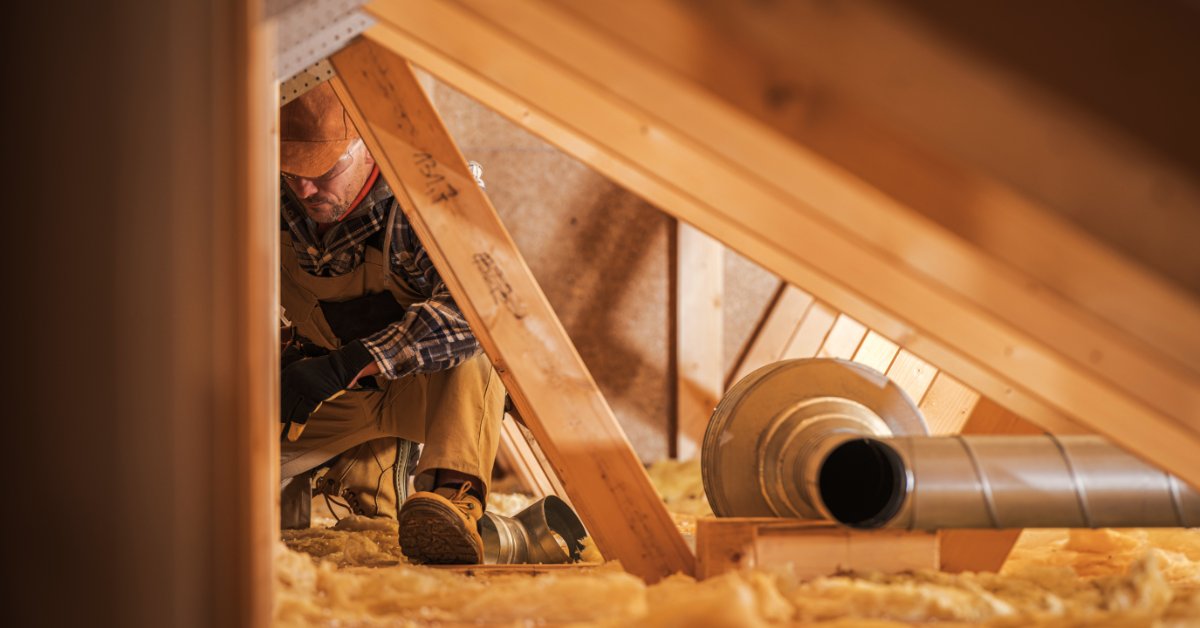
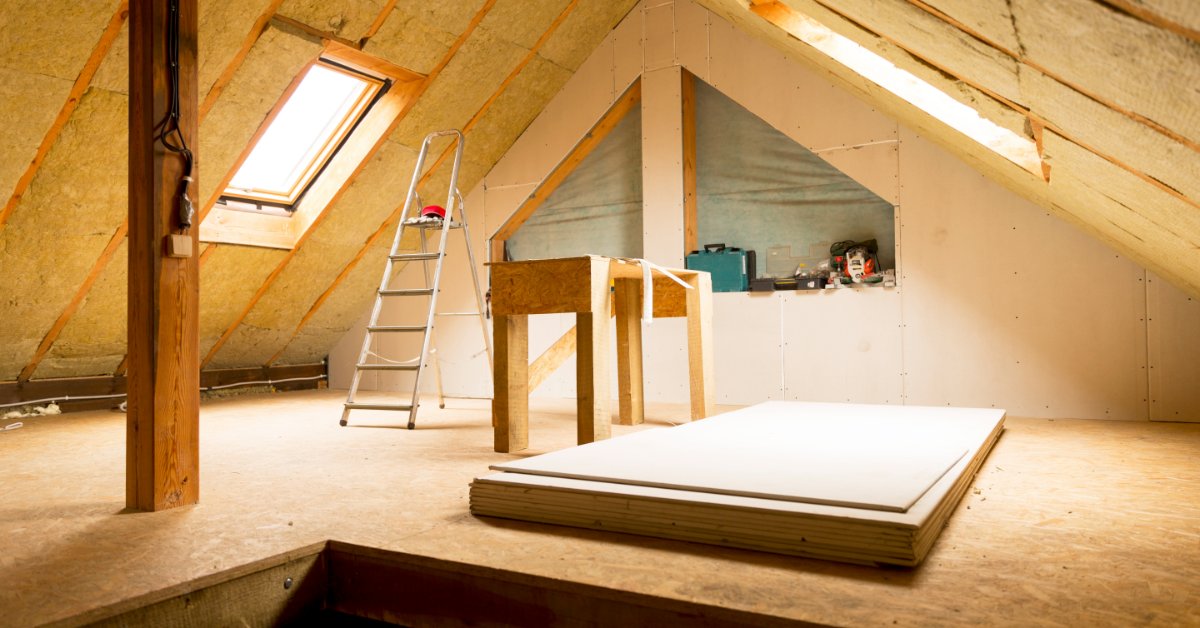
If your attic is accessible, you may be able to inspect its insulation without removing any finished materials. If you can safely access the space, look across the insulated attic floor from a stable location near the entrance. Look for consistent insulation coverage, keeping in mind that the appropriate depth depends on the material and the recommended R-value. Never step between ceiling joists or disturb questionable materials during your inspection.
Several visible conditions may indicate that your attic needs attention:
- Exposed ceiling surfaces between insulated areas
- Insulation that has shifted away from its intended location
- Noticeably uneven insulation depth across the attic floor
- Compressed insulation beneath stored belongings
- Open gaps surrounding attic access openings
Investigate Drafts Around Hidden Openings
Cold air entering your home doesn’t necessarily mean the surrounding insulation is missing. Small gaps around pipes or electrical wiring can allow outdoor air to enter your home. You may notice these drafts near exterior walls, particularly when outdoor temperatures differ considerably from indoor conditions. Finding the source can help you determine whether you need to seal an opening instead of adding insulation.
On a windy day, check accessible gaps for noticeable drafts. Avoid using candles or open flames because they introduce unnecessary fire risks. If you discover an opening, remember that filling it with ordinary insulation won’t necessarily stop air movement. You may need to seal these openings before adding insulation.
Look Beneath Your Living Spaces
A cold floor may point to an insulation problem beneath your living space. If your home has an accessible basement or crawl space, inspect the underside of the floor assembly where insulation should be present. Missing insulation or material that has fallen away from the framing could explain why the floor above stays cold. However, some basements use insulated foundation walls instead of insulation between floor joists, so check the intended approach first.
Check for moisture damage, which can affect insulation and the surrounding building materials. If you notice wet insulation or visible water damage, investigate the moisture source before considering replacement. Replacing the insulation without repairing the leak won’t resolve the moisture problem. A qualified professional can help determine the appropriate repair when moisture affects concealed structural areas.
Inspect Rim Joist Areas
Rim joists run along the perimeter of your home’s floor framing, typically above the foundation. These areas can contain gaps that allow outdoor air to enter, particularly where framing connects with the foundation. If you have an unfinished basement, you may be able to inspect these areas without removing any materials. Look for visible openings or missing insulation, but remember that suitable sealing methods depend on the construction details.
Evaluate Insulation Behind Finished Walls
Drywall conceals the insulation inside your walls, making gaps difficult to identify. Professional thermal imaging can help identify insulation gaps in your home by investigating suspicious temperature patterns. Because infrared cameras detect surface temperatures rather than insulation itself, a trained professional must interpret the results carefully.
Thermal imaging works best when indoor and outdoor temperatures differ enough to create a useful contrast. An inspector can compare these patterns with the home’s construction details to investigate possible insulation deficiencies. Additionally, diagnostic testing may help distinguish unwanted airflow from inadequate insulation. These findings can guide further inspection before anyone recommends removing finished materials.
Know When Insulation Needs Attention
Discovering a possible insulation gap doesn’t automatically mean you need a complete replacement. You may discover a small section of displaced insulation or a larger area that needs improvement.
The following observations can help you recognize when professional evaluation may be worthwhile:
- Visible insulation gaps in accessible framing cavities
- Persistent cold spots despite adequate room heating
- Insulation that has become wet or damaged
- Uneven attic coverage that leaves surfaces exposed
- Recurring drafts near insulated exterior assemblies
Decide What Improvements Make Sense
After identifying possible gaps, ask an insulation professional to assess the affected areas before choosing replacement materials. An experienced New England insulation company can account for regional climate conditions while examining the construction details that influence insulation performance. Depending on the findings, the appropriate solution may involve adding insulation or correcting air leakage.
You should also consider the potential impact on heating expenses. Rising fuel costs can make reducing unnecessary heat loss a greater priority. Your potential savings will depend on your home’s existing insulation and overall energy use. Prioritizing confirmed deficiencies gives you a more practical basis for deciding where to invest.
Colonial Insulation works with homeowners across New England to identify insulation deficiencies and recommend appropriate changes. If unexplained cold spots have you questioning your home’s insulation, contact Colonial Insulation to schedule an evaluation and find out where improvements could make a difference.