
A heat pump cannot solve a bedroom that feels 10 degrees colder than the rest of the house, and new insulation alone cannot replace a failing 30-year-old heating system. That is why insulation versus heat pump upgrades is not a simple equipment decision for New England property owners. The right first move depends on how the building is losing heat, how the current system performs, and what you need the project to accomplish.
For many homes in New Hampshire, Massachusetts, Maine, and Vermont, the best answer starts with the building envelope. Air leaks, underinsulated attics, uninsulated rim joists, and damp crawlspaces make any heating and cooling system work harder than it should. Addressing those conditions first can make a later heat pump installation smaller, more effective, and less expensive to operate.
Insulation Versus Heat Pump Upgrades: The Core Difference
Insulation and heat pumps improve comfort and efficiency in different ways. Insulation slows heat flow through walls, ceilings, floors, and roof assemblies. Air sealing limits uncontrolled outdoor air entering through gaps around framing, wiring, plumbing, attic hatches, and foundations. Together, these improvements help the building hold a steady indoor temperature.
A heat pump moves heat rather than creating it through combustion or electric resistance. In winter, it draws available heat from outdoor air and brings it inside. In summer, it reverses direction to provide cooling and dehumidification. Modern cold-climate heat pumps can perform very well in New England, but their results depend heavily on the home they serve.
Think of insulation and air sealing as reducing the demand for heating and cooling. A heat pump is the equipment selected to meet that demand. When a building leaks heat quickly, even an efficient heat pump may run longer, struggle during severe weather, and leave rooms unevenly conditioned.
Why the Building Envelope Often Comes First
A well-designed enclosure makes every mechanical upgrade more productive. The attic is usually the highest-priority area because warm air rises during winter and can escape through openings in the top of the house. That air loss often pulls cold replacement air through lower levels, creating drafts near floors, windows, and exterior walls.
Air sealing should generally happen before new insulation is installed. Adding insulation over open bypasses can hide the problem without stopping the air movement that carries heat and moisture. A professional assessment can identify leakage pathways at attic penetrations, recessed fixtures, top plates, kneewalls, rim joists, duct openings, and foundation transitions.
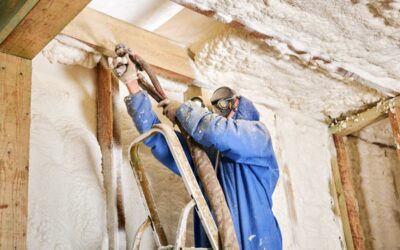
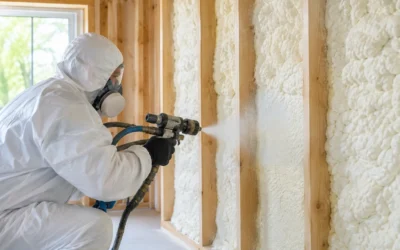
Once those gaps are addressed, the right insulation material can be matched to the assembly. Blown cellulose can provide dependable attic coverage and help fill irregular spaces. Fiberglass and mineral wool are practical options for many wall, floor, and fire-resistance applications. Spray foam can deliver high R-value performance and air control where space is limited or complex framing makes traditional materials difficult to install. HFO spray foam is especially useful for certain rim joists, rooflines, and hard-to-reach areas when installed as part of a complete moisture-conscious design.
The result is not merely a lower heating load on paper. Homeowners often notice warmer floors, fewer drafts, less temperature swing between rooms, quieter interiors, and more consistent humidity levels. Builders and remodelers gain an enclosure that is easier to size mechanical systems for and more likely to meet code requirements without last-minute corrections.
Heat pump sizing changes when insulation improves
Heat pumps should be sized using a room-by-room heating and cooling load calculation, not a guess based on the existing furnace or boiler. Older systems are frequently oversized because they were installed before envelope upgrades, or because contractors added capacity to compensate for persistent drafts.
If insulation and air sealing reduce the home’s heat loss, a smaller heat pump may be sufficient. Oversizing can lead to short cycling, uneven comfort, reduced humidity control in cooling season, and unnecessary equipment cost. This is one reason to assess the envelope before finalizing a heat pump proposal.
When a Heat Pump Should Take Priority
There are situations where a heat pump upgrade should move to the front of the project. If the existing heating equipment is unsafe, unreliable, near failure, or costly to keep running, replacing it may be urgent. A homeowner facing repeated boiler repairs in January cannot always wait for a full insulation plan.
Heat pumps may also be the logical first investment when a property lacks air conditioning, relies on expensive electric resistance heat, or has a functioning but inefficient system with no practical path to repair. A cold-climate heat pump can improve operating costs and add summer cooling immediately, particularly when paired with targeted air sealing in the worst problem areas.
The key is not to treat the equipment replacement as the end of the conversation. If the attic remains underinsulated or the basement rim joists leak cold air, those issues will continue to affect comfort and energy use. A staged plan can protect the immediate need while setting up the property for better long-term performance.
Signs Insulation and Air Sealing Are the Better First Investment
A building-performance evaluation is the clearest way to prioritize work, but certain symptoms strongly point to enclosure problems. Cold rooms over garages, icy roof edges, drafts at outlets or baseboards, uneven temperatures from one floor to another, and high winter fuel use are common warning signs.
Moisture is another concern. Warm indoor air leaking into a cold attic can condense on roof sheathing, potentially contributing to mold, wood damage, and shortened roof life. In a humid New England summer, uncontrolled outdoor air can also raise indoor moisture levels and make conditioned rooms feel sticky even when the thermostat is set low.
Consider insulation and air sealing first when your property has several of these conditions:
- An attic with thin, uneven, compressed, or contaminated insulation
- Visible gaps around attic penetrations, rim joists, or basement framing
- Persistent drafts and major room-to-room temperature differences
- Ice dams, attic condensation, or recurring moisture concerns
- A heating system that runs constantly but still does not maintain comfort
These conditions indicate that conditioned air is escaping or outdoor air is entering in ways that equipment alone cannot correct.
A Better Approach for Renovations and New Construction
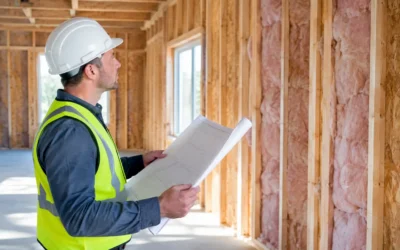
For remodelers and builders, the insulation decision should be coordinated early with HVAC design, framing details, ventilation requirements, and state code standards. This is especially important when finishing attics, adding rooms over garages, converting basements, or changing rooflines. A beautiful addition can still become a comfort complaint if the transition between old and new construction is not air sealed and insulated continuously.
Material selection should follow the assembly, not a one-size-fits-all preference. Closed-cell spray foam may be appropriate where moisture control and high R-value in a thin profile are needed. Mineral wool may be selected for its fire resistance and sound-control qualities. Dense-pack cellulose can be effective in existing wall cavities, while blown attic insulation can efficiently raise thermal performance after air sealing is complete.
Commercial properties need the same coordination at a larger scale. Warehouses, offices, multifamily buildings, and retail spaces can lose significant energy through roof assemblies, exterior walls, loading areas, and mechanical penetrations. Improving the enclosure can reduce equipment demand, support more predictable tenant comfort, and help protect project schedules by resolving insulation requirements correctly before inspection.
How to Decide Where Your Budget Goes
Start with evidence rather than a product preference. An energy audit or professional building assessment can identify where the home is losing the most heat, whether moisture is present, and which improvements will produce the strongest results. It also provides a better basis for comparing insulation work, air sealing, and HVAC proposals.
Then consider timing. If your current system is dependable, investing in attic insulation, air sealing, and problem areas around the foundation may improve comfort now while giving you time to plan a correctly sized heat pump. If your system is failing, install the equipment you need but include envelope work in the same project plan whenever possible.
Finally, look beyond utility savings. Insulation upgrades can reduce noise, improve indoor air quality when paired with proper ventilation, protect assemblies from moisture, and make a home more livable in every season. Heat pumps add efficient heating and cooling, but they deliver their best performance in a building that is prepared to keep conditioned air where it belongs.
A practical next step is to have the property evaluated as a system. Colonial Insulation can help homeowners, builders, and property managers identify the leaks, insulation gaps, and moisture risks that should be addressed before – or alongside – a heat pump upgrade. A clear scope, coordinated with your HVAC plan, gives you a better path to lower operating costs and dependable New England comfort.