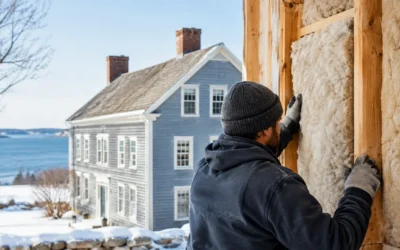


As summer gets closer, many people start noticing how hard their homes work to stay comfortable when temperatures shift from cool mornings to humid afternoons. Having proper energy efficiency solutions in New England homes help regulate indoor conditions more effectively. Many homes don’t show clear signs of energy loss until seasonal weather changes start putting more strain on the entire house.
Why New England Homes Struggle With Energy Loss
New England weather places enormous pressure on residential buildings. Homes built decades ago rarely include modern insulation levels, which means heat escapes quickly through poorly protected surfaces.
Attics create one of the largest opportunities for improvement. Warm air naturally rises, and insufficient attic insulation allows valuable heat to disappear during colder months. Many homeowners assume their furnace causes the problem when the real issue starts above the ceiling.
Air Sealing Changes Everything
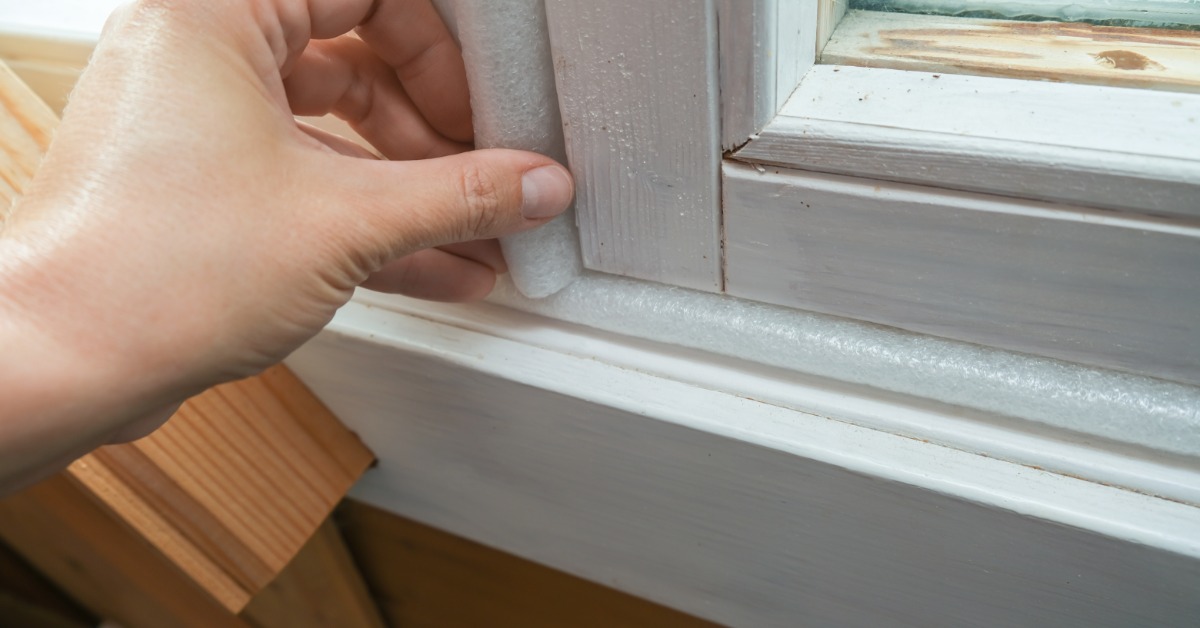
Insulation works best when paired with proper air sealing. Without sealing unwanted openings, insulation alone can’t stop airflow moving through the structure.
Air sealing targets hidden leakage points throughout the building envelope. Contractors inspect transitions between framing materials, attic penetrations, recessed lighting, basement connections, and other vulnerable areas where conditioned air escapes. Once sealed correctly, homes maintain indoor temperatures more effectively.
Homeowners usually notice comfort improvements immediately after proper air sealing. Temperature fluctuations become less severe and HVAC equipment cycles more consistently. Reduced air leakage also helps limit moisture movement during harsh winter conditions.
Common Areas Where Air Escapes
Several locations consistently contribute to energy loss in New England homes:
- Attic hatches and pull-down stairs
- Basement rim joists and sill plates
- Window and door framing gaps
- Plumbing and electrical penetrations
- Recessed lighting fixtures
Addressing these problem areas creates a stronger thermal boundary throughout the home.
The Role of Spray Foam Insulation
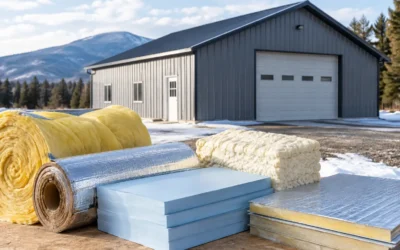
Spray foam insulation continues gaining popularity because it combines insulation and air sealing in one application. Closed-cell spray foam delivers strong thermal resistance while reducing moisture intrusion and structural air leakage.
New England homes benefit from spray foam in difficult areas where traditional insulation struggles to perform consistently. Rim joists, crawl spaces, cathedral ceilings, and irregular framing layouts all respond well to spray foam applications. The material expands during installation, filling cracks and sealing gaps that would otherwise remain exposed.
Homeowners also appreciate the long-term durability of spray foam. It resists sagging or shifting that can occur with older insulation systems. When installed correctly, spray foam supports lasting energy savings while improving indoor comfort throughout every season.
Cellulose Supports Older Homes Well
Many historic homes require insulation solutions that preserve existing structures without extensive demolition. Cellulose insulation works exceptionally well in these situations because installers can dense-pack wall cavities with minimal disruption.
Blown cellulose insulation helps reduce drafts while improving thermal performance inside older framing assemblies. Its dense consistency limits airflow movement and fills irregular cavities more effectively than some traditional batt materials. Homeowners who want improved efficiency without major reconstruction frequently choose cellulose for retrofit projects.
An experienced eco insulation company also understands where cellulose performs best within regional climate conditions. Material selection matters because New England homes face unique moisture challenges during winter months and seasonal transitions.
Moisture Control Protects Home Performance
Energy efficiency involves more than temperature control alone. Moisture management plays a major role in maintaining healthy indoor conditions and protecting building materials from damage.
Poor insulation combined with uncontrolled airflow allows condensation to develop inside walls and attic spaces. Over time, excess moisture contributes to mold growth, wood deterioration, and reduced insulation effectiveness. New England’s freeze-thaw cycles increase those risks significantly.
Proper insulation systems help regulate indoor humidity while reducing condensation risks across vulnerable areas of the home. Closed-cell spray foam offers strong moisture resistance, while carefully installed cellulose systems help control airflow that contributes to condensation buildup.
Homeowners who address both insulation and moisture concerns protect the long-term integrity of their property while improving overall indoor comfort.
Attic Upgrades Offer Immediate Results
Attics remain one of the highest-impact areas for energy improvements. Heat loss through under-insulated attic spaces forces heating systems to operate continuously during winter months.
Modern attic upgrades focus on combining air sealing with appropriate insulation levels. Contractors first seal penetrations and leakage points before adding insulation designed to meet current performance recommendations. This approach prevents conditioned air from escaping.
Homeowners frequently notice quieter indoor environments after attic improvements as well. Better insulation reduces outside noise while stabilizing indoor temperatures across upper floors.
Signs Your Attic Needs Attention
Several warning signs point toward attic insulation problems. Ice dams along roof edges indicate heat escaping through the roof structure. Uneven temperatures between floors also suggest insufficient attic performance. High winter heating bills paired with persistent drafts create another strong indicator.
Addressing attic deficiencies early helps reduce strain on HVAC equipment while lowering long-term operating costs.
Basement and Crawl Space Efficiency
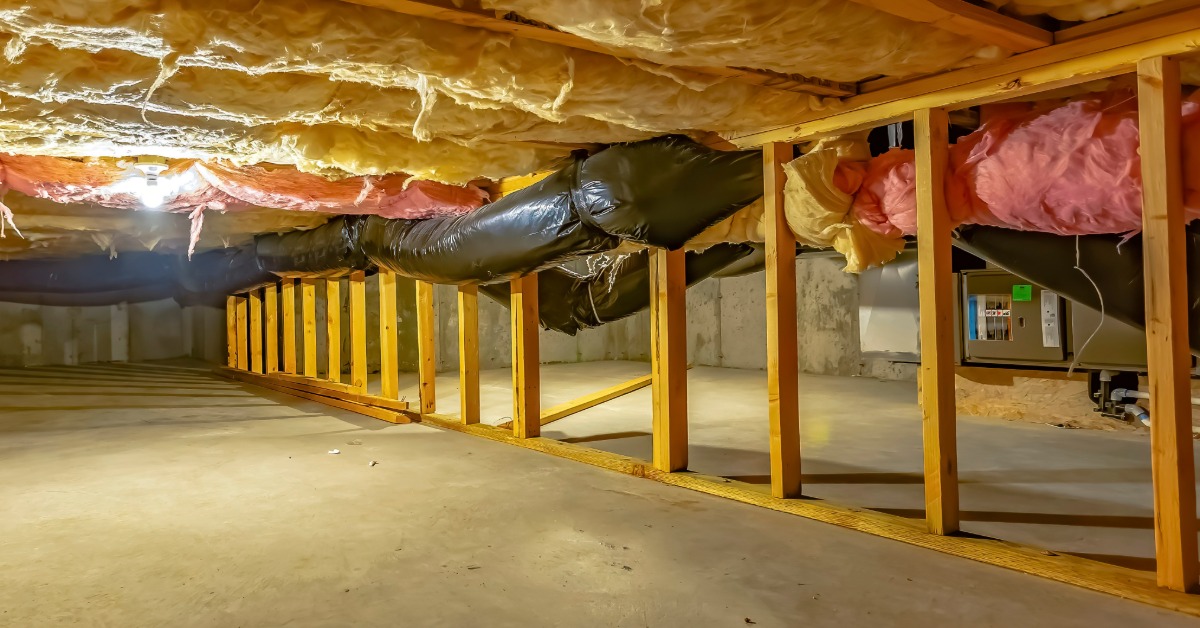
Basements and crawl spaces receive less attention than attics, yet they contribute to home energy performance. Cold air entering through foundation connections creates uncomfortable floors and temperature inconsistencies throughout the house.
Insulating basement walls and sealing rim joists helps stabilize indoor conditions dramatically. Homeowners notice warmer floors, fewer drafts, and improved humidity control after upgrading these lower sections of the home.
Crawl spaces require careful moisture management alongside insulation improvements. Encapsulation strategies combined with proper insulation help reduce damp conditions that contribute to energy waste and indoor air concerns.
Long-Term Benefits Beyond Utility Bills
Lower energy costs motivate many homeowners initially, but insulation improvements provide broader advantages. Consistent indoor comfort changes the way homes function during every season. Rooms become more usable and heating systems operate more efficiently.
Improved insulation also reduces wear on HVAC equipment. Systems don’t need to cycle constantly to maintain indoor temperatures, which supports longer operational life and fewer maintenance concerns. Many homeowners also notice improved indoor quietness because upgraded insulation helps reduce outside noise infiltration.
Energy-efficient homes maintain stronger market appeal as buyers place greater value on comfort and operating efficiency. Modern insulation improvements contribute to overall property value while supporting long-term building durability.
Build A More Comfortable Home
Energy efficient solutions for New England homes are most successful when the entire property works together to control heat loss and airflow. Insulation, air sealing, and moisture control all play a role in creating a more comfortable living space.
Colonial Insulation partners with homeowners across New England to identify areas that experience the greatest energy loss. The right insulation strategy can create meaningful improvements in indoor performance without unnecessary disruption. If your home struggles with drafts or rising heating costs, now’s the time to start making a difference.