
A second-floor bedroom that is cold every winter, an attic that turns the house into an oven in July, and heating bills that keep climbing often point to the same problem: insufficient or poorly installed insulation. The practical cellulose insulation benefits for New England homes are especially compelling because this material helps manage the wide temperature swings, wind, and long heating season that local buildings face.
Cellulose is not simply “recycled insulation.” When it is selected for the right assembly and installed at the proper density, it can deliver dependable thermal coverage, meaningful sound reduction, and a more comfortable indoor environment. It is commonly used in attics, dense-packed wall cavities, and certain floor or cathedral-ceiling assemblies, making it a strong option for both older homes and new construction.
What Is Cellulose Insulation?
Cellulose insulation is made primarily from recycled paper fiber, typically newsprint, treated with borate-based additives for fire resistance and pest control. The material is processed into loose fibers that can be blown across an attic floor or installed densely in enclosed wall cavities.
Unlike batt insulation, which must fit cleanly around framing and obstructions, blown cellulose conforms around wiring, plumbing, and irregular framing. That coverage matters in New England renovations, where existing walls and attics are rarely as simple as a drawing suggests. The goal is not just to add material. It is to create consistent thermal resistance with fewer gaps that allow heat to move through the building enclosure.
Key Cellulose Insulation Benefits
Better coverage in irregular spaces
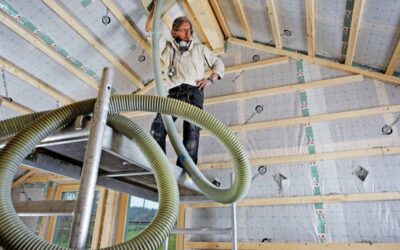
One of the biggest advantages of cellulose is its ability to fill voids. In an open attic, blown cellulose creates a continuous blanket over the ceiling plane. In walls, dense-pack installation places fibers under pressure so they fill cavities around pipes, electrical boxes, and framing variations.
This can be particularly valuable in older New England homes with balloon framing, additions built in different eras, or hard-to-reach attic sections. A well-installed cellulose system reduces the weak spots that leave one room noticeably colder than the rest of the house.
Cellulose does not replace air sealing, however. Air leaks at attic hatches, plumbing penetrations, top plates, recessed fixtures, and rim joists should be identified and sealed before insulation is installed. Insulation slows heat flow. Air sealing controls the movement of air that carries heat and moisture through hidden openings. The best results come from addressing both.
Strong thermal performance for the cost
Cellulose provides solid R-value per inch, generally in the range expected of quality fiber insulation products. Actual performance depends on the product, installed depth, density, and the condition of the surrounding assembly. For an attic, the final depth must meet the R-value required by the project and applicable state or local code.
For homeowners, that translates into a house that holds conditioned air longer. During a New Hampshire or Maine winter, less heat escapes through the attic or walls. During a humid Massachusetts or Vermont summer, the home is better able to resist outdoor heat. HVAC equipment may run less often, and rooms can maintain more consistent temperatures.
Energy savings vary. A home with major air leakage, uninsulated rim joists, or aging windows will not get the same result from attic cellulose alone as a home that receives a complete building-performance upgrade. An energy audit can help identify where insulation will make the greatest difference before work begins.
Useful sound control between rooms and floors
Thermal insulation is usually the first concern, but sound control is another meaningful cellulose insulation benefit. The dense fiber structure can help dampen airborne sound from conversations, televisions, road traffic, and mechanical equipment.
Dense-packed cellulose in interior walls can be a sensible choice for bedrooms, home offices, nurseries, bathrooms, and multifamily separation walls. It can also help reduce sound transmission through floor assemblies. It will not make a room fully soundproof – doors, ductwork, framing connections, and openings still transmit sound – but it can noticeably improve privacy and day-to-day comfort.
Recycled content with practical performance
Many property owners want a more sustainable insulation choice but do not want to compromise on performance. Cellulose meets both priorities. Its primary raw material is recycled paper fiber, which gives existing material another useful life rather than relying solely on virgin resources.
The environmental value should be considered alongside installation quality and long-term energy use. An insulation material that performs reliably in the building envelope can reduce heating and cooling demand year after year. For homeowners planning an attic upgrade or builders pursuing efficient construction, cellulose offers a practical way to support both comfort and resource-conscious material selection.
Fire-retardant treatment and pest resistance
Because cellulose begins as paper fiber, customers understandably ask about fire safety. Insulation-grade cellulose is treated with fire-retardant additives, commonly borates, to meet required fire-performance standards. These treatments also make the material less appealing to insects and rodents.
No insulation should be treated as a substitute for proper electrical work, smoke alarms, fire blocking, or code-required thermal barriers. But professionally installed cellulose is a recognized building insulation product with appropriate safety treatment for its intended use.
Where Cellulose Works Best
Attics are often the most straightforward and cost-effective application. Heat rises, and an underinsulated attic can be a major source of winter heat loss and summer heat gain. After air sealing the attic floor, crews can blow cellulose to the specified depth for even coverage across the space.
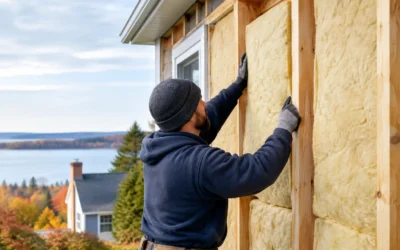
Dense-pack wall insulation is another excellent use case, particularly in existing homes where removing all interior drywall or exterior siding would be disruptive. Small access openings allow trained installers to fill wall cavities with cellulose at a controlled density. This approach can improve comfort in drafty exterior rooms without turning a renovation into a full gut project.
Cellulose can also be used in certain floor systems and enclosed roof assemblies. The right choice depends on moisture conditions, access, ventilation design, and the need for an air or vapor control layer. A basement, crawl space, or cathedral ceiling may be better served by mineral wool, fiberglass, or spray foam depending on the assembly. Material selection should follow the building’s needs, not a one-size-fits-all preference.
Important Installation Considerations
Cellulose performance depends heavily on workmanship. In an attic, installers must account for settling by installing the product at the correct depth and using proper coverage markers. Around heat-producing fixtures, chimneys, and vents, required clearances and approved barriers must be maintained. Ventilation pathways at eaves must remain open where the roof design requires them.
For dense-pack walls, proper density is critical. Underfilled cavities can settle or leave voids; excessive pressure can damage finishes in vulnerable assemblies. Experienced installers use the right equipment, access strategy, and verification methods to produce consistent results while protecting the home.
Moisture also deserves careful attention. Cellulose can manage small amounts of moisture, but it should not be used to hide a roof leak, bulk-water problem, or unresolved condensation issue. Before insulating, investigate staining, wet framing, ice-dam history, bathroom exhaust failures, and foundation moisture. A durable building envelope begins with dry, sound materials.
Cellulose Compared With Other Insulation Options
Cellulose is a strong choice, but it is not automatically the best choice for every location. Fiberglass can be an economical option for open walls and standard cavities. Mineral wool offers excellent fire resistance and moisture tolerance in applications where those qualities are a priority. Spray foam provides air sealing and high R-value per inch, which can be valuable in tight spaces, rim joists, and complex rooflines.
In many projects, the best solution uses more than one material. A home may benefit from air sealing and spray foam at the rim joist, dense-packed cellulose in exterior walls, and blown cellulose across the attic floor. That combination addresses different building-envelope problems with the material best suited to each one.
For builders and remodelers, the same principle supports predictable inspections and dependable project schedules. The insulation plan should meet code requirements, preserve required ventilation and fire clearances, and account for the actual framing conditions found on site.
A Better Starting Point Than Adding More Insulation
If your home has uneven temperatures, persistent drafts, or utility costs that do not match its size, start with an assessment of the whole enclosure. Colonial Insulation helps homeowners and project teams evaluate insulation levels, air leakage, moisture concerns, and the most appropriate material for each area of the building.
Cellulose can be an excellent part of that plan, especially for attics and existing walls where complete coverage and recycled content matter. A well-designed installation gives your home a better chance of staying quiet, comfortable, and efficient through every New England season.