

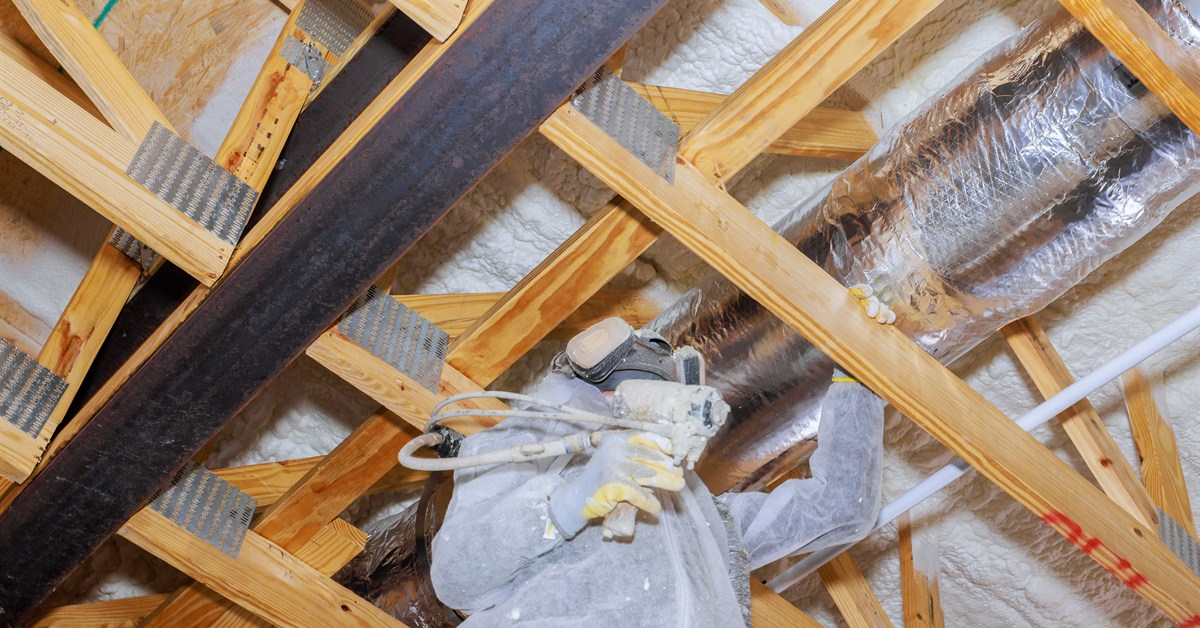
Spray foam can improve a building’s comfort, but a successful installation involves much more than filling empty spaces. The decisions you make while planning the work can affect the quality of the finished application and your ability to use the space afterward. Learning the dos and don’ts of spray foam installation projects helps you recognize potential problems before they become expensive corrections. With the right preparation, you’ll have a better idea of what to expect from your contractor and what deserves your attention.
Evaluate the Installation Area
Every installation begins with a question that deserves a specific answer: Where should the foam go? You might want to address uncomfortable rooms or reduce heat loss, but those goals don’t automatically tell you which surfaces need coverage. Your contractor should examine the building’s construction and identify the appropriate location for the thermal boundary. That assessment helps prevent unnecessary work in areas that won’t contribute to your intended improvements.
You should also discuss any existing materials that could affect the application. Some assemblies require special consideration because adding foam changes the way heat and moisture move through the structure. Rather than assuming every exposed cavity needs treatment, ask why your contractor recommends a particular approach. A clear explanation should connect the proposed work to the conditions in your building.
Address Existing Moisture Problems
Spray foam shouldn’t serve as a shortcut for repairing water damage. If you notice staining or damp framing, investigate the source before anyone covers the affected area. Your contractor needs a suitable, dry surface because excess moisture can interfere with proper adhesion. Correcting the underlying problem first also reduces the risk of concealing damage that needs further attention.
Make Smart Planning Decisions
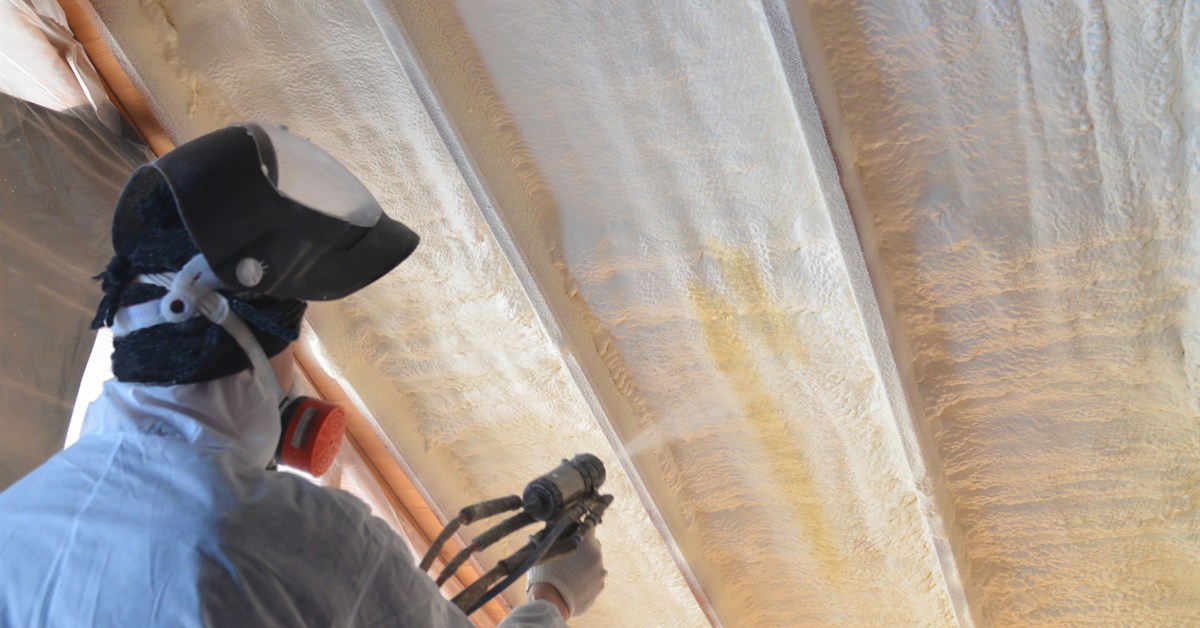
The decisions you make during planning can affect the quality of the finished installation. You don’t need technical expertise to make informed choices, but you should know what to expect from your contractor and which details deserve closer attention. Following the dos and don’ts of spray foam installation projects can help you avoid preventable mistakes and move forward with greater confidence.
Keep these considerations in mind as you plan the work:
- Do request a written description of the installation areas and intended foam thickness
- Do ask your contractor to explain the expected thermal performance
- Do confirm that the crew has appropriate training and experience
- Don’t assume the cheapest proposal includes the same scope of work
- Don’t authorize installation until you’ve resolved questions about the proposed approach
Understand Your Material Options
You’ll generally encounter open-cell and closed-cell products when discussing spray foam insulation with a contractor. Open-cell foam has a lower density and typically provides less thermal resistance per inch than closed-cell foam. Closed-cell products offer greater resistance to water vapor at sufficient thickness, which may influence their suitability for certain assemblies. Your contractor should recommend a material based on the application rather than treating one option as universally better.
Prepare Your Property Properly
Once you’ve agreed on the installation plan, your attention should shift toward making the work area accessible. Crews need enough room to reach the designated surfaces without damaging nearby belongings.
Ask which items you should relocate and which areas the contractor will protect. Clearing the space beforehand also gives the installers a better opportunity to inspect surfaces that furniture or stored materials might otherwise conceal.
You’ll also want to coordinate the project with any other work happening on the property. Electricians or plumbers may still need access to cavities that insulation will eventually cover. If those trades haven’t finished their work, closing the cavities prematurely could create unnecessary complications. Discuss the construction schedule with your contractor so each crew can complete its responsibilities in the appropriate order.
Respect the Work Zone
Spray foam application requires professional equipment and appropriate protective measures. During installation, workers must control exposure to chemical vapors and airborne spray particles. You shouldn’t enter the restricted work area without authorization, and unprotected occupants should remain away from the application zone. Ask your contractor about the required vacancy arrangements so you can make appropriate plans for everyone who uses the building.
Avoid Common Application Mistakes
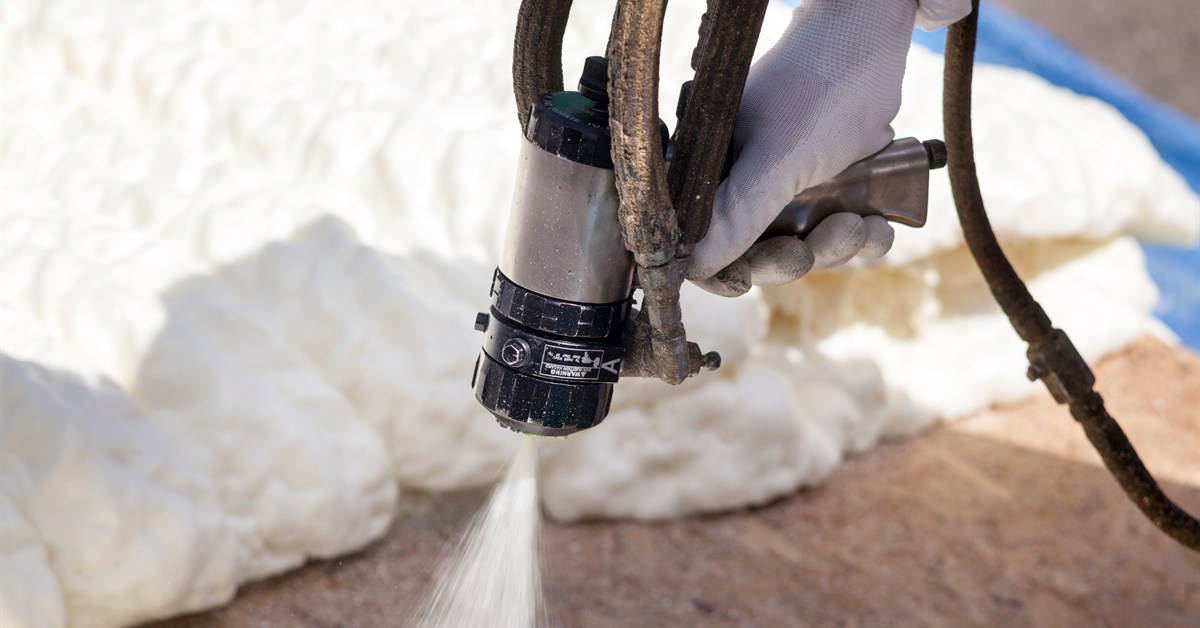
Once spraying begins, installation quality depends on the crew’s technique and adherence to product specifications. Applicators must account for surface conditions because temperature and moisture can affect the way foam adheres and cures. Since you shouldn’t observe active spraying from inside the work zone, discuss the crew’s quality-control procedures beforehand.
A few important practices deserve particular attention:
- Do verify that the applicators follow the manufacturer’s temperature requirements
- Do confirm that the crew monitors application thickness
- Don’t encourage installers to exceed recommended layer thicknesses to finish faster
- Don’t allow spraying over surfaces that remain wet or unsuitable
- Don’t overlook areas requiring special treatment around heat-producing equipment
Allow Adequate Curing Time
Freshly applied foam may appear firm long before it has finished curing. The appropriate curing period depends on the product and installation conditions, so you shouldn’t assume every project follows the same schedule. Your contractor should provide product-specific guidance about ventilation and when occupants can safely return. Respecting those instructions helps you avoid unnecessary exposure while the crew completes its work.
Inspect the Completed Installation
You shouldn’t have to guess what your contractor accomplished once the work ends. Ask for a walkthrough or appropriate documentation showing where the crew applied the material and what thickness it achieved. You can also discuss any areas that required adjustments during installation. If something appears inconsistent with the original scope, raise the concern while the details remain fresh.
Remember that a finished layer of foam doesn’t automatically mean every building-performance issue has disappeared. Your property may still lose heat through untreated areas, and existing HVAC problems can affect indoor comfort independently of the insulation work. Keep your project records so you can reference the specific improvements when planning future upgrades. You’ll have a clearer basis for evaluating additional work rather than assuming you need another application.
A good installation shouldn’t leave you wondering what happened behind the walls. You deserve clear explanations throughout the project and enough information afterward to understand the work you’ve received. Colonial Insulation helps property owners across New England evaluate insulation options and select approaches that suit their buildings. Thinking about a spray foam project? Contact Colonial Insulation to discuss your space and find out which improvements deserve attention before installation begins.