

You live in your home every day, so you probably notice when something seems off. The frustrating part is figuring out what’s causing the problem when there’s no obvious source. An energy audit can reveal hidden problems in your home by giving you a closer look at where it may be losing energy. With clearer answers, you can address the source instead of guessing at a solution.
Look Beyond Visible Problems
You probably notice a draft when you sit near a window, but the source of that discomfort may sit somewhere else entirely. Air can travel through gaps around building components and reach living spaces through pathways you can’t easily see. Therefore, fixing the spot where you notice a draft doesn’t always address its source.
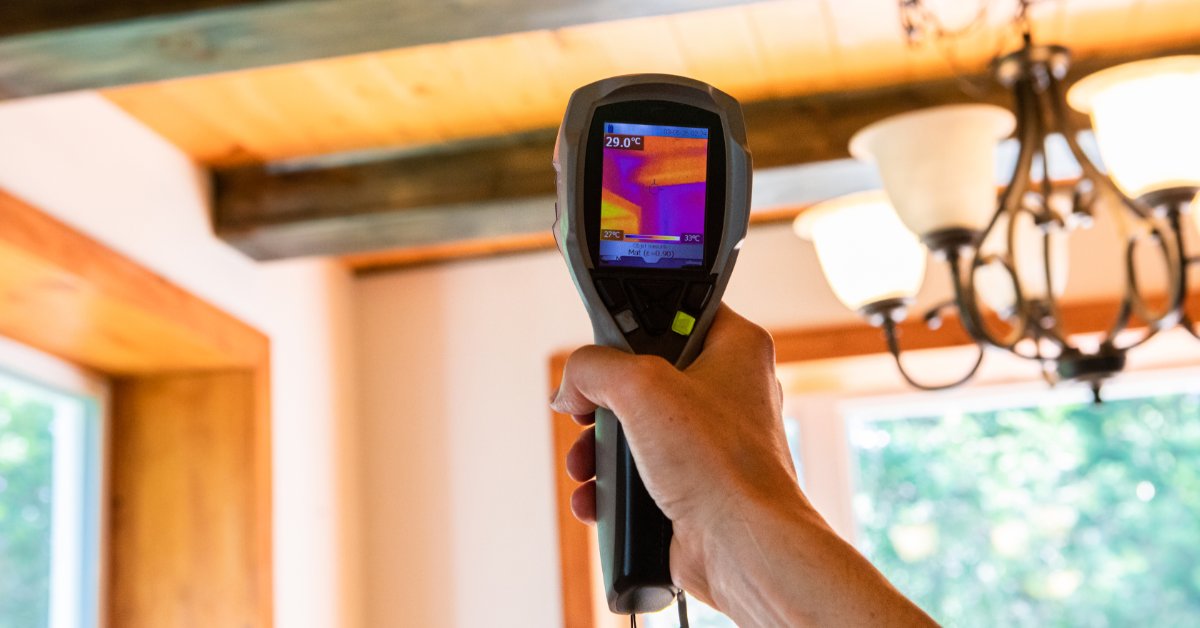
An energy auditor looks at your house as a connected system rather than focusing on one uncomfortable room. Diagnostic testing can uncover problems that you won’t catch during a basic walkthrough. Blower door testing helps pinpoint unwanted air leakage, while thermal imaging can show temperature differences that may point to areas worth investigating further.
Follow Air Through Your Home
When outdoor air enters through unwanted openings, you may notice changing temperatures as weather conditions shift. You might assume that a window needs to be replaced when leakage comes through nearby framing or another opening. A blower door test helps an auditor measure whole-house air leakage and locate infiltration points. That information gives you a clearer picture of where air sealing could help.
Find Air Leakage Sources
Small openings throughout your home may collectively affect comfort and energy use. During an energy audit for your home, diagnostic testing helps uncover hidden problems associated with unwanted airflow. An auditor can then explain which leakage areas deserve attention based on the findings.
Testing may reveal concerns in places you don’t regularly inspect, including:
- Gaps around plumbing penetrations that may allow unwanted airflow
- Attic openings that may connect conditioned rooms with unconditioned space
- Unsealed rim joists that may contribute to air leakage
- Gaps near recessed fixtures that may create leakage pathways
- Ductwork that may lose conditioned air through leaky connections
Blower Doors Provide Measurements
A calibrated blower door uses a fan and pressure gauge to measure a home’s airtightness. As the fan changes indoor pressure, outside air moves through openings in the building envelope. An auditor can use those conditions to identify leakage that might remain difficult to locate during a visual inspection. Because the equipment produces accurate measurements, you gain useful information about overall air leakage rather than a simple impression that your house seems drafty.
Spot Insulation Trouble
You can’t judge insulation performance simply by looking at a finished wall or ceiling. Missing coverage or poorly performing areas might create temperature differences that become apparent during a detailed assessment. Infrared imaging can help trained auditors identify thermal patterns that warrant closer investigation.
Those findings can prevent you from assuming that every uncomfortable room needs the same solution. One area may need better air sealing, while another may have an insulation issue. As a result, you can focus your improvement plan on conditions the assessment identifies.
Read Thermal Patterns Carefully
An infrared camera detects surface temperature differences rather than literally seeing through walls. Because of that distinction, trained interpretation plays an important role in deciding what a thermal pattern may indicate. Auditors may combine infrared imaging with blower door testing to gather stronger evidence about possible leakage locations. You get a more useful diagnosis when several observations point toward the same underlying issue.
Check More Than Insulation
Energy performance doesn’t depend on insulation alone. Your heating system, ductwork, ventilation, and building envelope interact as you heat or cool the house. A comprehensive assessment may examine these areas to identify conditions that deserve further attention.
That whole-home perspective gives you a clearer starting point when you’re considering an eco-insulation company for future improvements. With specific findings from an energy audit, an insulation professional can recommend improvements based on the conditions in your home rather than relying on assumptions.
Connect Comfort With Performance
Pay attention when the same room repeatedly stays warmer or colder than the rest of your house. That pattern may give an auditor a useful starting point, but testing helps determine what’s happening behind the symptom. You may discover an air leakage pathway or an insulation concern that affects the space. With that information, you’re in a better position to discuss a targeted improvement instead of replacing materials without a clear reason.
Use Findings To Prioritize Improvements
A good assessment gives you a clearer basis for deciding what deserves attention. You don’t have to treat every possible upgrade as equally urgent when diagnostic findings identify specific weaknesses. Instead, you can review recommendations and plan improvements around the conditions in your house.
You can identify specific areas of your home that may need further attention by:
- Addressing confirmed air leakage where sealing is appropriate
- Investigating insulation gaps identified during the assessment
- Examining duct leakage when testing points to distribution losses
- Correcting relevant moisture concerns before covering problem areas
- Discussing safety findings with the appropriate qualified professional
Plan Improvements With Confidence
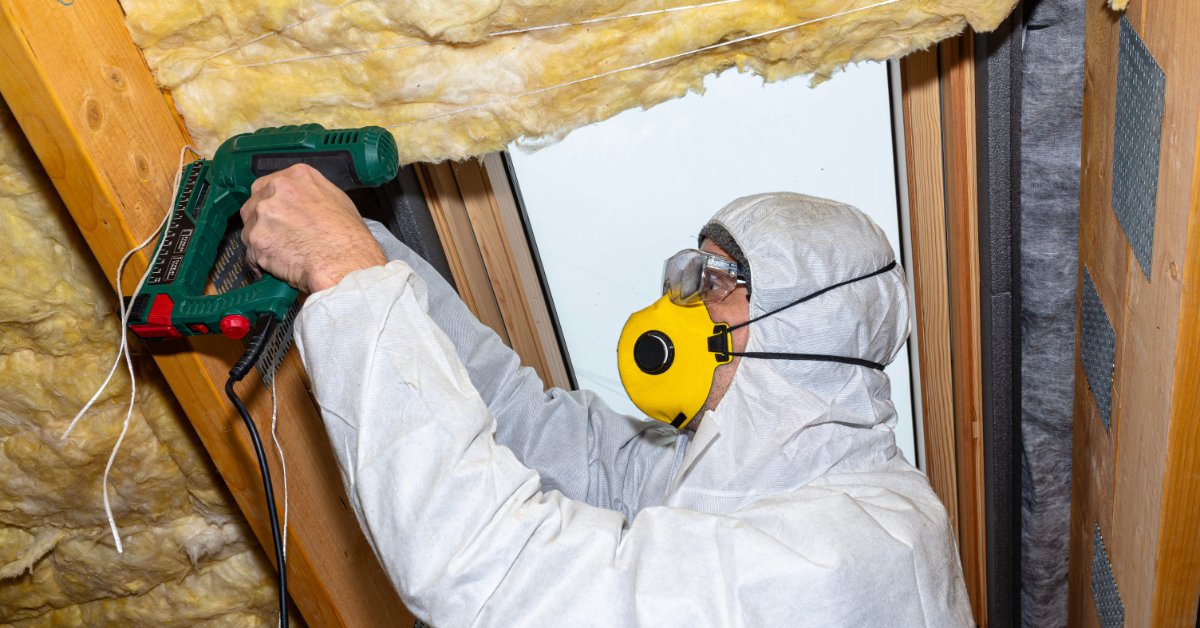
Guessing at home performance problems can send your budget toward an upgrade that never addresses the real source of discomfort. An audit gives you a clearer starting point by connecting what you notice at home with measurable building conditions. Moreover, a written assessment can help you discuss priorities with contractors using specific findings rather than vague complaints.
You can also use those results when comparing proposed insulation work. If an auditor identifies leakage near an attic boundary, for instance, you can ask a contractor what work will address that condition. This approach keeps the conversation centered on the problem your house has.
See Your Home Differently
Once you know where energy escapes, familiar problems with comfort may make much more sense. Instead of blaming a cold room on the thermostat, you can look at evidence showing where the building envelope needs attention. That perspective helps you make informed decisions while avoiding unnecessary work.
Colonial Insulation serves homeowners across parts of New England with energy-efficiency evaluations and insulation solutions selected for individual project needs. If persistent drafts or uneven temperatures have left you wondering what’s happening inside your home, contact us to discuss an evaluation and find a clearer path toward the right improvements.