
A basement can feel dry underfoot and still hold enough moisture to create a musty smell, support mold growth, and make the rooms above it harder to heat and cool. Effective basement dehumidification is not simply a matter of placing a portable unit in the corner. In New Hampshire, Massachusetts, Maine, and Vermont, it works best as part of a larger moisture-control plan that accounts for humid summers, cold foundation walls, air leakage, drainage, and the way the basement is used.
For homeowners, the goal is a basement that stays clean, usable, and less likely to affect the rest of the house. For builders and remodelers, the goal is a durable, code-conscious lower level that supports the building envelope instead of becoming its weak point.
Why New England Basements Hold Moisture
Basements sit against cool soil and concrete, so they operate differently from the above-grade parts of a home. During a humid New England summer, warm outdoor air can enter through open windows, rim joists, gaps around utility penetrations, and leaky bulkhead doors. When that air reaches cooler basement surfaces, its moisture can condense.
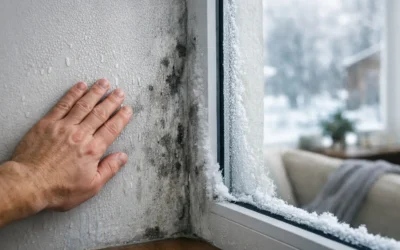
The result is often familiar: damp cardboard, peeling paint, rusted tools, swollen wood trim, or a persistent basement odor. In more serious cases, moisture contributes to mold on framing, stored belongings, and finished wall materials. Because air moves through a house, odors and airborne irritants from the basement can also travel into living areas.
Winter creates a different concern. A cold, poorly insulated foundation or rim joist can create condensation where warm indoor air reaches those surfaces. Snowmelt, poor grading, clogged gutters, foundation cracks, and plumbing leaks can add bulk water to the equation. A dehumidifier can remove moisture from the air, but it cannot correct water entering through the structure.
Basement Dehumidification Starts With the Source
Before selecting equipment, identify why the basement is damp. This step prevents a common mistake: asking a dehumidifier to manage a problem that requires drainage, air sealing, insulation, or repair.
A basement that smells musty only during humid weather may primarily need controlled dehumidification and better air sealing. A basement with wet walls after heavy rain needs exterior drainage, grading, gutter, or foundation work before humidity control can be expected to perform well. If a pipe drips or a condensate line overflows, that repair comes first.
Look for visible clues. White, powdery deposits on masonry can indicate moisture moving through the wall. Condensation on ductwork or water pipes may point to humid air and cold surfaces. Darkened framing, buckling floor materials, and deteriorated insulation deserve a closer inspection, especially in finished basements where problems can remain hidden behind drywall.
A hygrometer provides useful information that your senses cannot. Relative humidity around 40% to 50% is a practical target for most occupied basements. Readings consistently above 60% increase the likelihood of mold activity and musty conditions. The right target can vary with the season, basement temperature, and how the space is finished, so the objective is stable control rather than chasing an artificially dry space.
Choose a Dehumidifier That Can Actually Keep Up
Portable dehumidifiers are useful for many basements, but capacity, drainage, and placement determine whether they solve the problem or merely run constantly. A small unit in a large, damp basement will cycle for long periods, use unnecessary electricity, and still leave remote corners humid.
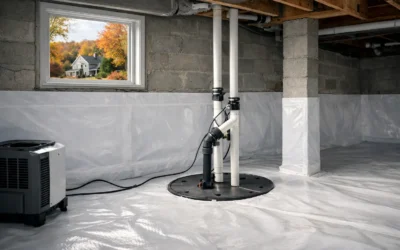
Capacity should be based on the basement’s square footage, ceiling height, moisture level, and airflow, not square footage alone. A finished, lightly damp basement may need less equipment than an unfinished space with exposed masonry walls and regular moisture intrusion. Laundry areas, open sump pits, and high occupant use can also increase the moisture load.
For a basement that needs regular control, a unit with a built-in humidistat and continuous drain connection is usually more practical than one that relies on a bucket. Connecting the unit to a properly installed condensate pump or drain line avoids shutdowns when the collection tank fills. In a seasonal home or a property where the basement is rarely checked, this feature is especially valuable.
Place the unit where air can circulate around it, not tight against a wall or behind stored boxes. Keep doors between basement zones open when possible, or consider more than one unit for separated rooms. Clean the filter and inspect the drain line regularly. A neglected dehumidifier can lose capacity just when summer humidity is at its highest.
Air Sealing and Insulation Make Humidity Control More Effective
Dehumidification treats moisture already in the air. Air sealing reduces one of the ways that moisture gets there.
The rim joist is often a high-priority area in older New England homes. It sits where the framing meets the foundation and may contain gaps around joists, wiring, plumbing, and ducts. These openings allow humid summer air and cold winter air into the basement. Professionally installed spray foam can air-seal and insulate this area in one application when the assembly and local code requirements call for it.
Foundation walls also need a thoughtful approach. Bare concrete is cold, and interior insulation can help reduce condensation risk and improve comfort in a finished basement. However, insulation must be selected and installed with the wall’s moisture conditions in mind. Installing fiberglass batts directly against a damp foundation wall, for example, can trap moisture and create a hidden mold concern.
Closed-cell spray foam is often considered where a high R-value, air barrier, and moisture-resistant insulation layer are needed in limited space. Rigid foam systems and other approved foundation insulation approaches can also be appropriate. The right material depends on the wall condition, intended use of the space, fire-protection requirements, and state or local code details.
Air sealing does not mean a house should be sealed without considering ventilation. It means uncontrolled leakage should be reduced so the building can manage fresh air and humidity more predictably. That distinction matters in tight renovations and high-performance new construction.
Do Not Use Basement Windows as Your Humidity Strategy
Opening basement windows can feel like the obvious response to a damp smell. In New England summers, it can make conditions worse. Warm outdoor air carries moisture, and a cool basement can bring that moisture to the surface through condensation.
There are times when outdoor air may be drier than basement air, particularly during cool, dry weather. But relying on window ventilation is inconsistent, and it offers no dependable control during the humid months when basements are most vulnerable. A monitored dehumidifier, combined with air sealing, is a more reliable solution.
When a Dehumidifier Is Not Enough
Call for a professional assessment when you see standing water, recurring wall dampness, widespread mold, rotted framing, or strong odors that return quickly after cleaning. Those conditions may involve drainage failures, foundation moisture, crawl space connections, hidden plumbing leaks, or insulation that has been damaged by prolonged exposure.
Finished basements deserve particular care. Removing wet carpet or opening a small area of wall may reveal whether moisture is isolated or affecting the framing and insulation system. Moving too quickly to repaint, reinstall flooring, or cover the wall again can hide a problem until it becomes more expensive.
For renovation and remodeling projects, it is smart to evaluate basement moisture before finishing plans are finalized. A contractor can coordinate the sequence of drainage repairs, air sealing, insulation, and mechanical work so materials are not installed out of order. That protects schedules, supports inspections, and helps prevent callbacks after the project is complete.
A Healthier Basement Supports the Whole House
A dry basement protects more than stored belongings. It can reduce odors and airborne irritants, help preserve framing and finishes, and make the first floor feel more comfortable. It may also lessen the strain on air conditioning during the summer, since the home is not continuously pulling humid basement air into the living space.
Colonial Insulation evaluates moisture concerns through the lens of the whole building. The most effective recommendation may include targeted air sealing, rim joist insulation, foundation-wall improvements, or an energy audit that identifies where air and moisture are moving. The right scope depends on what the basement is telling you, not on a one-size-fits-all product choice.
If your basement feels clammy, smells musty, or shows condensation through the summer, start with humidity readings and a close look at water entry points. Addressing the cause early gives your home a better chance of staying comfortable, durable, and healthier through every New England season.