
Every decision made during construction shapes the way a home performs for decades. Choosing better materials and paying attention to insulation creates a more comfortable living space while reducing unnecessary energy use. The importance of energy efficiency in new build homes becomes clear when homeowners enjoy lower utility bills and more consistent indoor temperatures throughout the year. Building with long-term performance in mind gives every room a stronger foundation for comfort and value.
Build Smarter Homes
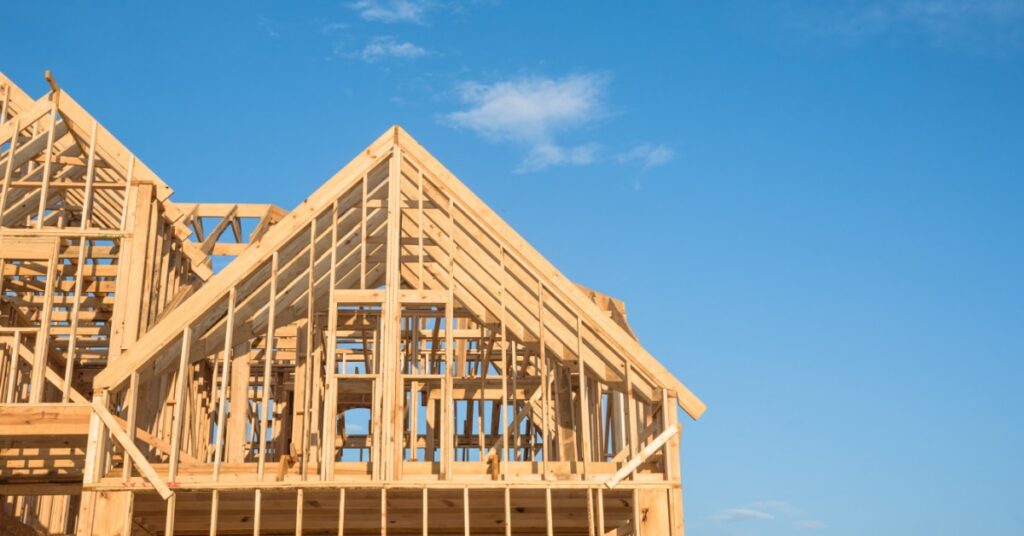
A new home offers the perfect opportunity to improve insulation and air sealing before drywall goes up. Builders can address air leaks and moisture control while every system remains accessible. As a result, each improvement works together instead of relying on expensive upgrades after construction.
Modern construction standards continue to raise expectations for home performance because homeowners expect comfort throughout every season. Better planning during the building process helps heating and cooling equipment operate under more balanced conditions. Consequently, the home maintains a consistent indoor environment without placing unnecessary demands on mechanical systems.
A Better Starting Point
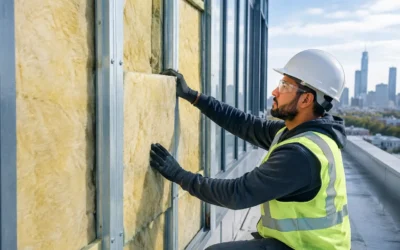
Building a home from the ground up allows contractors to install insulation without working around existing walls or outdated materials. Every cavity and joint receives careful attention before interior finishes go into place. This approach supports stronger thermal performance throughout the structure. Homeowners begin their first day in a house built with long-term comfort already in place.
Lower Utility Costs
Heating and cooling account for a large share of residential energy use throughout the United States. With fuel prices rising sharply in recent years, homeowners have stronger motivation to reduce energy consumption. Investing in better insulation during construction helps keep future heating and cooling costs under better control.
Well-insulated homes reduce unwanted heat transfer, allowing indoor temperatures to remain more stable throughout the year. Therefore, mechanical systems spend less time cycling to maintain comfortable conditions.
Several construction choices contribute to lower monthly utility costs:
- Installing insulation with the proper R-value for each part of the home
- Sealing gaps around framing, windows, and penetrations
- Selecting high-performance windows that reduce unwanted heat transfer
- Placing ductwork within conditioned spaces whenever practical
- Verifying air sealing before interior finishes are complete
Insulation Choices
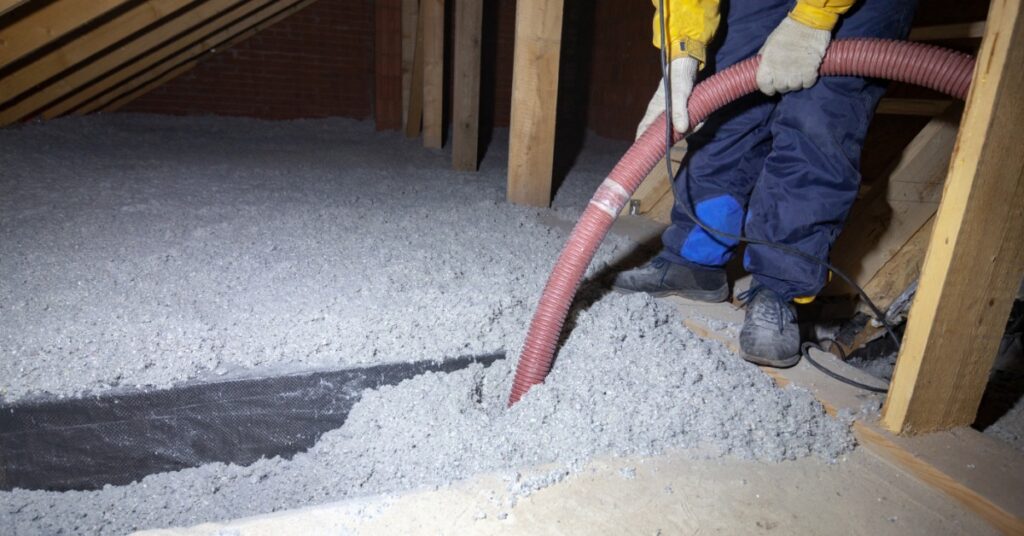
Insulation plays a central role in controlling heat movement through walls and ceilings. Builders must match materials with the needs of each part of the home. Choosing the right insulation improves thermal performance while supporting indoor comfort throughout every season.
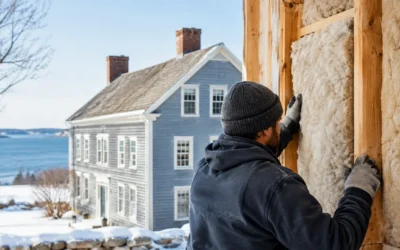
One option worth understanding is eco cellulose insulation, a material produced primarily from recycled paper fibers treated for fire resistance. It fills enclosed cavities effectively, reduces air movement within wall assemblies, and offers an environmentally conscious choice for many construction projects. Proper installation allows the material to perform consistently throughout the life of the home.
Choose the Right Material
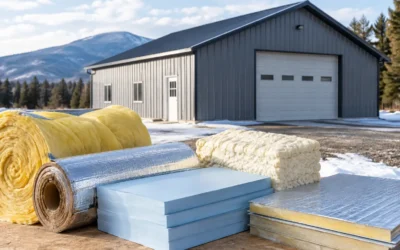
Every insulation product offers different performance characteristics. Spray foam creates an effective air barrier in many applications and fiberglass provides dependable thermal resistance. Cellulose is another option that fills irregular spaces with excellent coverage. Builders evaluate each location before selecting the product that best fits the assembly. This thoughtful approach improves building stability overall instead of relying on a single material everywhere.
Air Sealing Benefits
Small gaps around framing, plumbing, and duct penetrations allow conditioned air to escape while outdoor air enters the home. Addressing those openings during construction creates a tighter building envelope with greater temperature control. Consequently, indoor spaces remain comfortable throughout changing weather conditions.
Hidden Energy Loss
It’s difficult to detect many air leaks after construction finishes and the framing is covered. Builders who focus on careful sealing during the early stages prevent those openings from becoming permanent sources of energy waste. Indoor humidity is also under better control because outside air enters through fewer unintended pathways. Every improvement contributes to a home that performs as intended year after year.
Better Indoor Comfort
Comfort extends beyond the temperature displayed on a thermostat. Homes with stronger thermal performance provide a more balanced indoor environment across every season.
Several features support better comfort throughout the home:
- Stable indoor temperatures between rooms
- Reduced drafts around windows and doors
- Better humidity control throughout changing seasons
- Quieter indoor spaces because insulation also absorbs sound
- More consistent performance from heating and cooling equipment
Balanced Temperatures
Families notice comfortable rooms long before they notice insulation hidden behind finished walls. Proper thermal protection allows every space to remain closer to the desired temperature throughout the day. Bedrooms and upper floors maintain greater consistency instead of developing uncomfortable hot or cold spots. Daily life becomes more enjoyable because the indoor environment is predictable.

Long-Term Home Value
High-performing homes attract buyers who appreciate lower operating costs and dependable comfort. Energy-efficient construction also reflects thoughtful craftsmanship because every component contributes to the home’s stability. Buyers recognize those qualities during inspections and after moving in.
Additionally, durable construction practices help preserve building materials by limiting unwanted moisture movement within wall and roof assemblies. Stable indoor conditions support the long-term performance of flooring, finishes, and structural components. Investing in quality construction at the beginning pays dividends throughout homeownership.
Support Modern Standards
Residential building codes continue to place greater emphasis on thermal performance and air sealing. Builders who stay current with these standards deliver homes that perform well under changing expectations. Homeowners benefit because stronger construction practices improve everyday living without sacrificing style or function.
Every Detail Counts
Today’s construction decisions influence utility costs, indoor comfort, and home durability for decades. Building a home with energy efficiency in mind gives homeowners advantages that continue for years, extending far beyond meeting minimum building code requirements. Every improvement made during construction strengthens the home’s performance. Future maintenance also becomes simpler when major systems begin with a solid foundation.
Choosing quality construction practices during the building phase gives homeowners advantages that continue well into the future. Colonial Insulation works with builders and homeowners across New England to construct stronger properties. If you’re planning a new home, now is the perfect time to explore insulation options that support greater comfort and efficiency from day one. Every thoughtful decision helps create an abode you’ll appreciate for many years to come.