

In February 2026, New England saw just how disruptive a major storm can be. Heavy snowfall, sustained winds, and prolonged freezing temperatures pushed homes across the region to their limits. When conditions turn that intense, insulation either performs the way it should or quickly reveals where your home falls short.
If certain rooms felt colder than usual or your heating system seemed to run nonstop, your insulation may have struggled to keep up. Winter storms have a way of exposing hidden air leaks, thin attic coverage, and poorly sealed spaces. Understanding insulation and the way it protects your home during winter storms can mean the difference between staying comfortable and facing unexpected damage.
Why Winter Storms Expose Insulation Problems
Your home loses heat faster during winter storms. Wind-driven air seeps through gaps in walls, attics, crawl spaces, and rim joists. Without proper insulation and air sealing, your heating system works overtime to maintain a comfortable temperature.
You might notice cold floors, drafts near outlets, or uneven room temperatures. These are signs your insulation system isn’t doing its job, and storm conditions amplify those small weaknesses.
The Role of Insulation in Heat Retention
At its core, insulation slows down heat transfer. In winter, that means keeping warm air inside where it belongs. The better your insulation performs, the less heat escapes through your attic, walls, and foundation.
Heat naturally moves from warm areas to cold ones. During a storm, that temperature difference grows. Without a strong thermal barrier, your home loses warmth quickly.
Effective insulation creates a continuous boundary. It reduces heat loss, stabilizes indoor temperatures, and helps your heating system run more efficiently.
Air Sealing: Your First Line of Defense
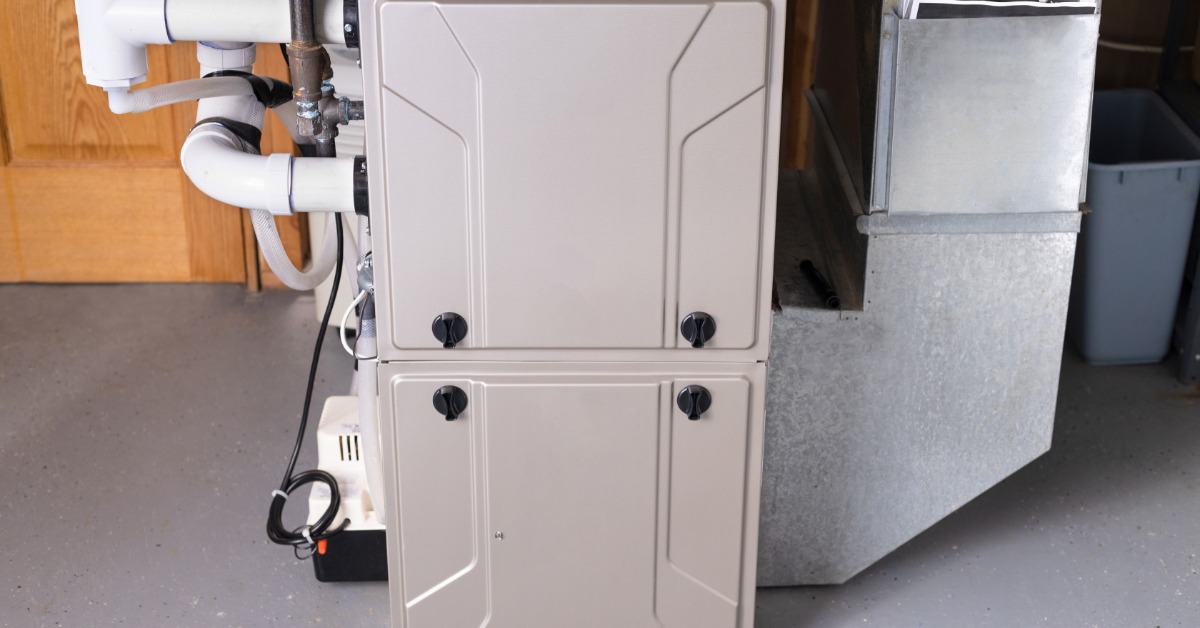
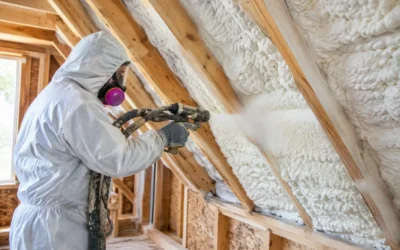
Insulation works best when paired with proper air sealing. Gaps and cracks allow cold air to infiltrate your home, especially during high winds. Spray foam insulation stands out here because it insulates and air seals at the same time.
By sealing these openings, you create a tighter building envelope. That added protection becomes critical during heavy snow and wind events.
Prevent Ice Dams and Roof Damage
Ice dams form when heat escapes through your attic and melts the snow on your roof. The melted water runs down, freezes at the colder roof edge, and creates a barrier. Water then backs up under shingles and leaks into your home.
Proper attic insulation keeps warm air inside your living space. When the attic stays cold and consistent in temperature, snow melts evenly. You reduce the risk of ice dams and the expensive repairs that follow.
This is one of the most overlooked ways that insulation helps protect your home during winter storms. Homeowners often focus on comfort, but insulation also directly protects your roof structure and interior finishes.
Manage Moisture During Harsh Weather
Winter storms create the perfect conditions for condensation problems. It can soak into framing, insulation, and sheathing. Over time, that buildup can lead to mold growth and even structural deterioration.
High-performance insulation systems help control temperature differences inside wall cavities and attics. Spray foam, for example, limits air movement and reduces the chances of condensation forming inside hidden spaces.
Insulation Materials for New England Winters
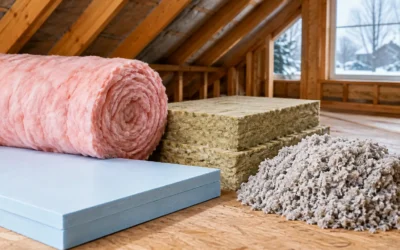
The right insulation material depends on your home’s structure and performance goals. In regions with heavy snowfall and prolonged cold, durability and air sealing matter. A trusted New England insulation company understands these climate challenges and recommends materials accordingly.
Spray Foam Insulation
Spray foam delivers strong thermal resistance and superior air sealing. It works well in attics, rim joists, and hard-to-reach cavities. Homeowners often choose it when they want maximum efficiency and storm protection.
Blown Cellulose Insulation
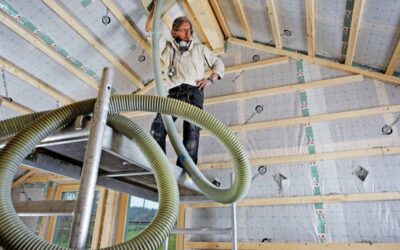
Blown cellulose offers a dense, cost-effective solution for attics and wall retrofits. It slows air movement and provides solid thermal performance, making it a practical upgrade for many existing homes.
Mineral Wool and Fiberglass
Mineral wool resists moisture and offers fire resistance. Fiberglass remains a widely used option when installed correctly and combined with proper air sealing strategies. Choosing the right material ensures your home withstands long stretches of freezing temperatures without sacrificing comfort.
Protect Pipes and Plumbing Systems
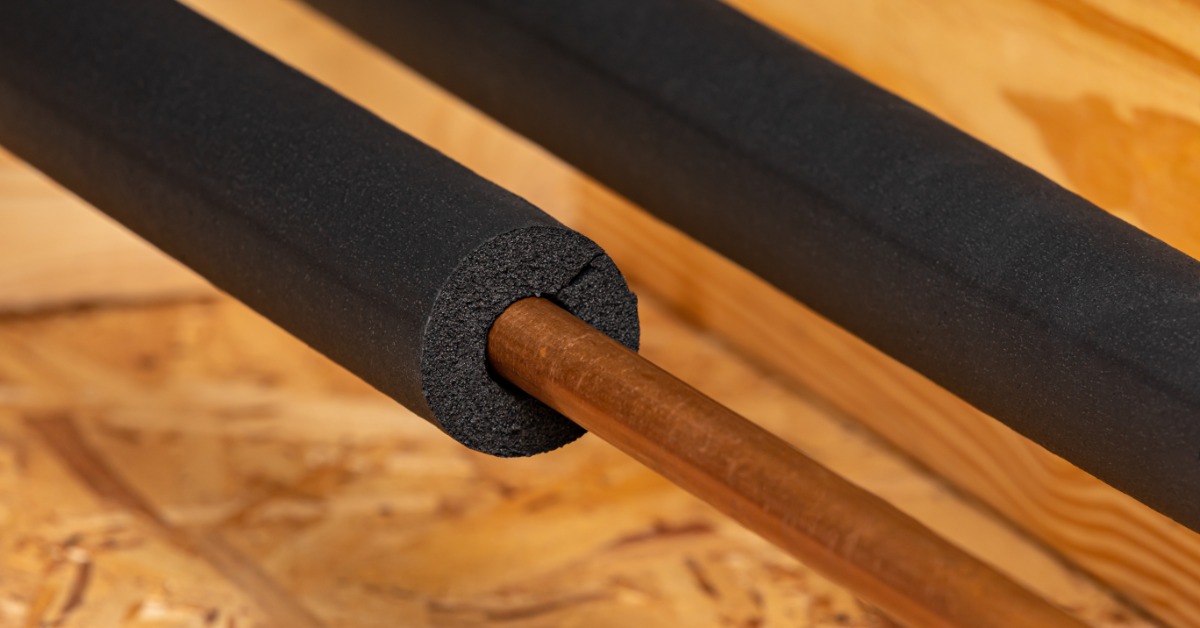
Frozen pipes create some of the most expensive winter emergencies. When temperatures plummet during a storm, poorly insulated exterior walls and crawl spaces allow pipes to freeze.
Insulation adds a protective buffer around these vulnerable areas. It keeps interior wall cavities warmer and reduces the likelihood of freezing.
Aside from the attic, homeowners should also pay attention to foundation walls, basements, and crawl spaces. A complete system protects your home from top to bottom.
Reinforce Your Home’s Structural Defense
Winter storms create pressure changes, wind-driven infiltration, and rapid freeze-thaw cycles that stress your home’s structure. When insulation leaves gaps in the building envelope, cold air pushes deeper into wall cavities and attic spaces, increasing the risk of material expansion and contraction. Over time, that movement can strain framing, fasteners, and finishes.
Strong insulation creates a more stable interior environment. Reducing temperature swings inside hidden cavities helps protect structural components from repeated thermal stress.
It also strengthens your home during power outages. When insulation performs well, indoor temperatures drop more slowly if heat escapes. That extra buffer time can protect plumbing, drywall, and interior finishes from sudden freeze damage during extended winter events.
Improve Indoor Comfort and Safety
Comfort goes beyond temperature. A properly insulated home feels consistent from room to room. Floors stay warmer, and drafts disappear. You don’t need to bundle up indoors when a storm rolls in.
Insulation also contributes to safety. Stable indoor temperatures reduce the risk of frozen pipes and electrical strain from portable heaters. When you strengthen your home’s insulation system, you create a safer, more resilient environment for your family.
Why Professional Installation Makes the Difference
Professional crews evaluate your entire building envelope. They identify weak points and design a solution that fits your specific structure.
Colonial Insulation provides detailed system designs and energy efficiency evaluations in New England. Our team selects materials based on your home’s needs, not a one-size-fits-all approach. If you want to strengthen your home before the next storm hits, schedule a consultation and take the first step toward better protection and comfort.
Act Now Before the Next Winter Storm
Storms don’t wait for convenient timing. If your home struggles with drafts, uneven temperatures, or high heating bills, your insulation likely needs attention. A properly insulated home stands stronger and operates more efficiently when winter weather intensifies.
Don’t wait for the next deep freeze to reveal hidden weaknesses. Evaluate your insulation system now, upgrade where needed, and make sure your home can handle whatever this winter brings.