
Rising utility bills frustrate any homeowner who wants comfort without waste. Smart material choices change how a home holds heat and manages airflow. When you focus on green insulation, you lower energy costs and address long-term efficiency.
Green insulation relies on materials with lower environmental impact and strong thermal performance. These products slow heat transfer, which keeps indoor temperatures stable through seasonal shifts. As a result, heating and cooling systems run less frequently, and the savings show up on monthly bills.
Types of Green Insulation
Green insulation comes in several forms, each suited for different parts of a building. Some materials prioritize recycled content, while others focus on air sealing and moisture control. Choosing the right option depends on climate, structure, and performance goals.
Here are common types used in energy-efficient homes:
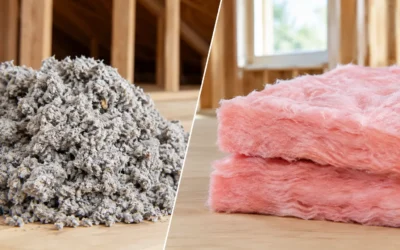
- Cellulose insulation made from recycled paper fibers treated for fire resistance
- Spray foam insulation to seal gaps and cracks tightly
- Mineral wool insulation for fire resistance
- Cotton insulation created from recycled denim and fabric scraps
- Wood fiber insulation offers natural breathability and thermal control
Why Energy Costs Drop
Heat loss drives up energy bills in ways many homeowners don’t notice right away. Warm air escapes through walls and small gaps, forcing systems to work harder. Green insulation blocks those escape routes and keeps air conditioning inside.
As insulation improves, HVAC systems cycle less and maintain consistent temperatures. This reduces equipment wear and lowers electricity or fuel use. Additionally, improved sealing cuts drafts, so rooms feel comfortable without constant adjustments. Less demand translates directly into lower monthly expenses.
Reduced Heat Transfer
Heat always moves from warmer areas to cooler ones, which creates ongoing energy loss. High-quality insulation slows that movement by creating a barrier within walls and ceilings. This keeps indoor heat where it belongs during winter and blocks outdoor heat during summer.
Stable indoor temperatures reduce the need for constant thermostat changes, leading to predictable energy usage throughout the day.
Understand Cellulose Insulation

One of the most effective eco-friendly options is blown in cellulose insulation, which uses recycled paper fibers treated for safety. Installers apply it using specialized equipment that fills cavities and hard-to-reach spaces. This method creates a dense layer that limits airflow and improves thermal resistance.
Cellulose stands out because it fits irregular spaces better than rigid materials. It also offers strong performance in attics and wall cavities where air leaks commonly occur. Additionally, it supports sustainability goals by reusing materials that would otherwise go to waste.
Air Sealing Benefits
Air leaks waste energy even in well-insulated homes. Cellulose helps close those gaps by forming a tight barrier within wall cavities. This reduces drafts and prevents conditioned air from escaping.
Better air sealing improves indoor comfort quickly. Rooms feel more consistent, and temperature swings become less noticeable.
Environmental Advantages
Green insulation supports more than energy savings. It limits the reliance on raw materials and lowers your home’s carbon footprint. Many products use recycled content, which reduces landfill waste.
Energy efficiency also minimizes emissions linked to heating and cooling systems. Less energy consumption means fewer fossil fuels burned at power plants. These changes contribute to cleaner air and a more sustainable living environment.
Sustainable Material Sources
Many green insulation products rely on renewable or recycled inputs. Cellulose uses reclaimed paper, while cotton insulation repurposes textile waste. As a result, these materials don’t require new resource extraction.
Sustainable sourcing promotes environmental health and responsible building practices. Homeowners benefit from enhanced performance and greater peace of mind.
Installation Factors
Proper installation plays a huge role in insulation performance. Even the best materials won’t deliver results if gaps or compression occur. Skilled application ensures full coverage and consistent density.
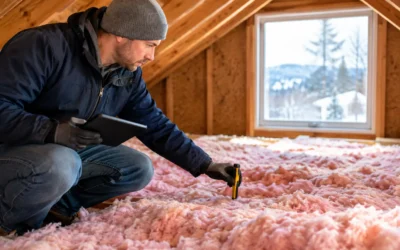
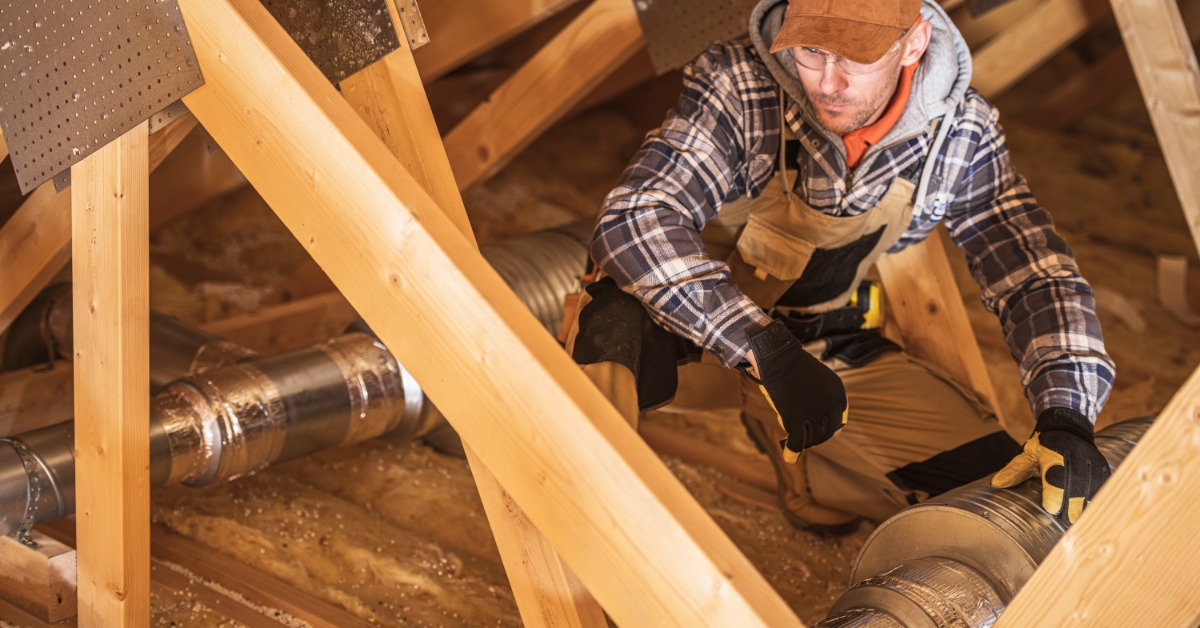
Professional installers evaluate each space before choosing a method. This approach creates a system that works as a whole rather than isolated upgrades.
Moisture control also plays a critical role in insulation performance. When insulation materials resist moisture buildup, they maintain their thermal properties and avoid issues like mold growth or material breakdown. Proper ventilation works alongside insulation to regulate humidity levels inside the home. This balance protects structural components while preserving energy efficiency
Compare Insulation Options
Different insulation types perform based on the application. Spray foam offers strong air sealing, while cellulose provides excellent coverage in irregular spaces. Mineral wool delivers fire resistance and durability.
If you’re weighing options, it helps to understand material differences in depth. Exploring these distinctions leads to smarter decisions based on your specific needs.
Performance Differences
Each insulation type handles airflow differently. Spray foam expands to seal gaps, while cellulose fills spaces densely to limit air movement. Mineral wool resists heat and adds structural stability.
Choosing the right material depends on your priorities and the building’s design. Matching the insulation to the application improves overall performance. This leads to better energy outcomes across the home.
Long-Term Savings
Energy savings from insulation add up quickly. Lower monthly bills create immediate financial relief, while reduced system strain lowers maintenance costs. These combined benefits increase the property value.
Homes with strong insulation also appeal to buyers who prioritize efficiency. Energy-conscious upgrades improve resale potential and market appeal. This makes insulation both a practical and strategic investment.
Key Efficiency Improvements
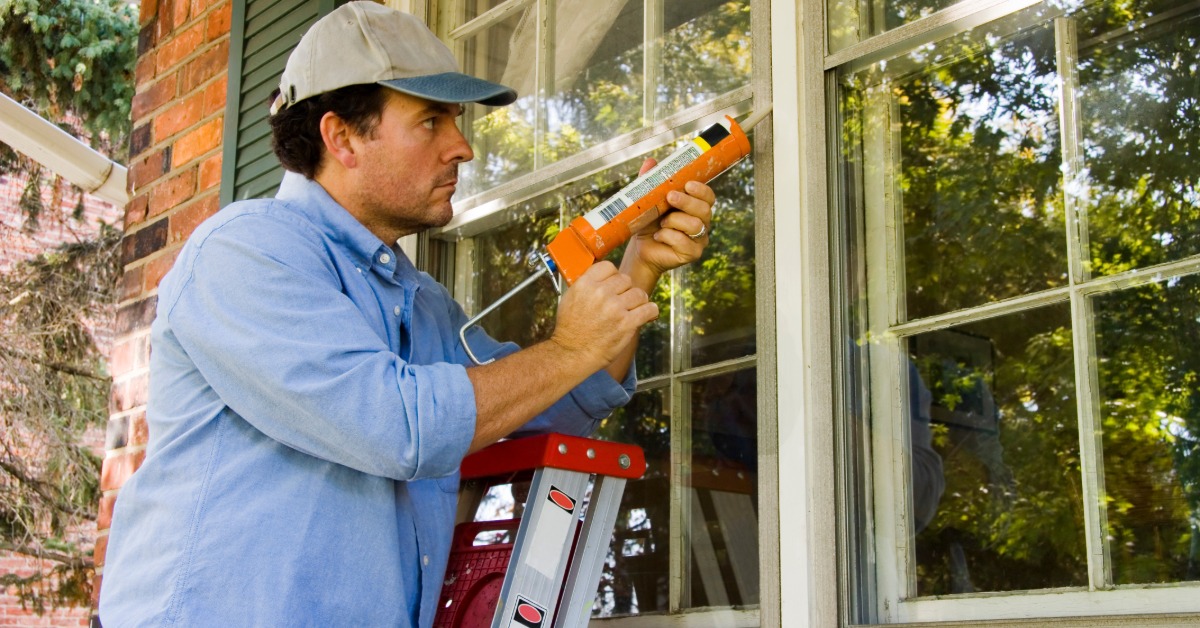
Small upgrades throughout the home can enhance insulation and boost performance. Improving ventilation and upgrading windows all contribute to better results. These improvements support insulation rather than competing with it.
Here are practical ways to increase efficiency alongside insulation:
- Seal gaps around windows, doors, and utility penetrations
- Add weatherstripping to account for drafts and air leaks
- Upgrade attic ventilation to manage moisture and airflow
- Install programmable thermostats for better temperature control
- Maintain HVAC systems regularly to keep them running efficiently
Make the Right Choice
Effective insulation transforms how a home consumes energy and maintains comfort. By focusing on key areas, homeowners gain both immediate and lasting benefits. It requires understanding how each option performs in your specific space. Climate, building design, and energy goals all influence the decision.
Working with experienced professionals brings clarity to the process. They assess your home and recommend solutions based on real conditions. If you’re exploring ways to improve efficiency, Colonial Insulation offers expertise in applying the right approach for each space. Reach out to start making your home more efficient and cost-effective today.