
Choosing insulation has several important factors to consider. Many homeowners and builders know they want strong energy performance, yet they get stuck deciding between options that sound almost identical. Closed-cell versus open-cell spray foam becomes a critical comparison because each performs differently under real-world conditions.
If you pick the wrong type, you could deal with moisture issues, uneven temperatures, or higher energy costs. The right choice helps create a tighter, more efficient building envelope that works year-round. Let’s break down how these two materials differ.
What Differentiates These Choices?
At a basic level, both materials expand on contact and create an air-sealing barrier. That’s where the similarities end, and the rest comes down to density, structure, and performance.
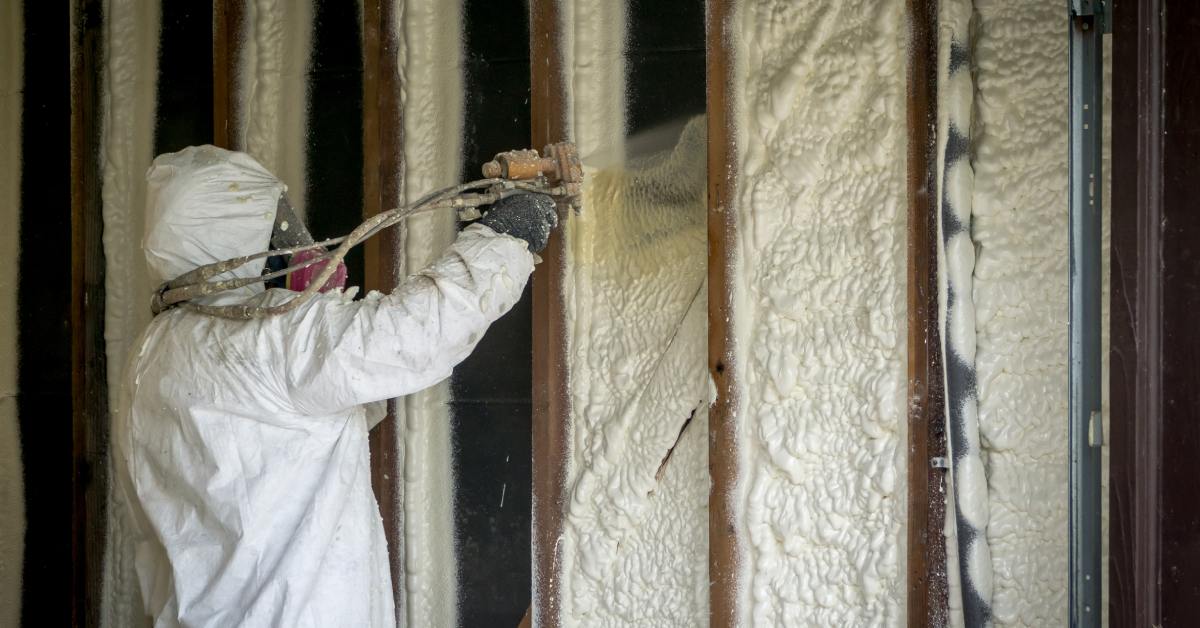
Closed-cell foam forms tight, compact cells that don’t allow air or moisture to penetrate easily. Open-cell foam expands into a soft, flexible consistency with tiny pockets that allow some airflow. These structural differences directly impact how each option performs in your home.
Density and Structure: The Core Difference
Closed-cell foam has a much higher density than open-cell foam. Therefore, it feels more rigid and adds strength to several structural areas, including walls, ceilings, and roofs. Builders often use it where durability and reinforcement matter.
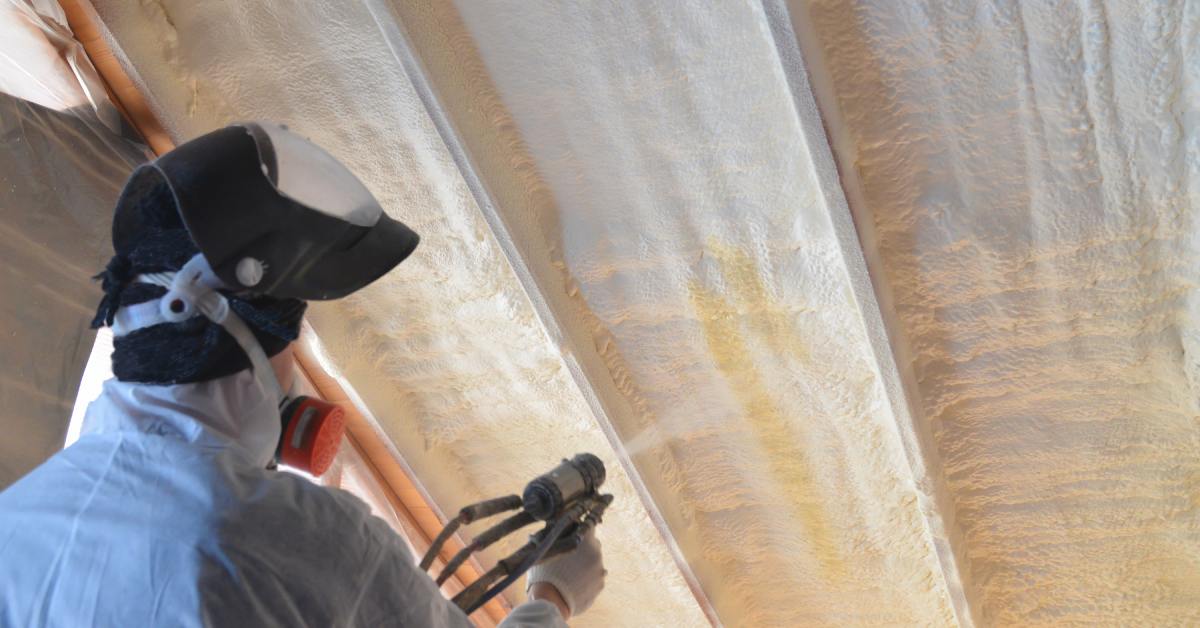
Open-cell foam has a lighter, spongier texture. It expands more aggressively, which helps it fill gaps quickly and efficiently. This makes it useful for hard-to-reach spaces where full coverage matters more than rigidity.
Both materials seal air leaks effectively, but they behave very differently once installed.
Insulation Performance and R-Value
R-value refers to how well insulation resists heat flow. The R-value of closed-cell foam is higher per inch, which makes it ideal for tighter spaces where you need maximum performance.
With a lower R-value per inch, open-cell foam still performs well when applied in thicker layers. In many cases, it balances cost and efficiency without sacrificing comfort.
When deciding between the two, consider:
- Available space for insulation depth
- Desired energy efficiency levels
- Climate conditions and seasonal extremes
- Overall project budget and priorities
Each factor plays a role in determining which material best fits your needs.
Moisture Resistance and Vapor Control
Moisture management often determines long-term performance. Closed-cell foam acts as a vapor barrier, helping prevent water intrusion and reducing the risk of mold growth. This makes it a strong choice for basements, crawl spaces, and exterior walls.
Moisture vapor passes through more easily with open-cell foam. While this can help with drying potential in some assemblies, it also means you may need an additional vapor retarder depending on the application.
In areas where humidity fluctuates or moisture exposure is likely, this distinction becomes especially important.
Air Sealing and Energy Efficiency
Both materials excel at air sealing, but they achieve it in different ways. Closed-cell foam creates a tighter seal due to its dense structure, which minimizes air movement and heat transfer.
Open-cell foam still blocks air effectively, but its softer composition allows for slight permeability. In many residential applications, it still delivers noticeable improvements in comfort and energy use.
When installed properly, either option can reduce drafts, stabilize indoor temperatures, improve HVAC efficiency, and lower monthly energy costs. That’s why many professionals recommend spray foam insulation for projects where performance matters most.
Sound Control and Indoor Comfort
If noise reduction is a priority, open-cell foam often stands out. Its softer, porous structure absorbs sound waves more effectively, which helps reduce noise transfer between rooms and from outside sources.
Closed-cell foam doesn’t provide the same level of sound dampening. Its rigid structure reflects sound instead of absorbing it.
For homeowners prioritizing quieter living spaces, this difference can influence the final decision.
Cost Considerations and Project Scope
Budget always plays a role. Closed-cell foam typically costs more due to its higher density and performance capabilities. However, it may require less thickness to achieve the same insulation value.
Open-cell foam usually costs less per inch and expands more, which can reduce installation time and material usage in certain applications.
When comparing costs, don’t just look at upfront pricing. Consider:
- Long-term energy savings
- Potential moisture protection benefits
- Structural reinforcement value
- Application-specific performance needs
A lower initial cost doesn’t always mean better overall value.
Best Applications for Each Type
Choosing the right material depends on where and how you plan to use it. Each option performs best in specific environments.
Closed-cell foam works well for:
- Exterior walls with limited cavity space
- Basements and crawl spaces
- Roof decks in harsh climates
- Areas requiring added structural strength
Open-cell foam works well for:
- Interior walls and sound control
- Attics with ample space for thickness
- Projects where flexibility matters
- Applications focused on cost efficiency
Matching the material to the application ensures better results and fewer issues over time.
Climate Considerations in New England
Homes in New England face wide temperature swings, high humidity during the summer, and freezing conditions in winter. These conditions make insulation performance even more critical.
Closed-cell foam often suits colder climates because it resists moisture and delivers higher R-values in tighter spaces. It helps maintain consistent indoor temperatures even during extreme weather.
Open-cell foam still performs well in many situations, especially when installed in areas that benefit from breathability and sound control. The key lies in using the right material in the ideal location within the home.
Installation Quality Makes the Difference
Regardless of the material, it won’t perform well without proper installation. Both types require trained professionals who understand how to apply them evenly and safely.
Poor installation can lead to gaps, uneven coverage, or reduced performance. That’s why working with experienced installers matters just as much as choosing the right material.
A well-installed system creates a continuous air barrier, improves energy efficiency, and supports long-term durability.
Make the Right Choice for Your Project
When you evaluate the differences between closed-cell and open-cell spray foam, you realize that the best option depends on your priorities. Do you need maximum insulation in tight spaces, or do you want a cost-effective solution that improves comfort?
Choosing between these two options doesn’t have to feel overwhelming. Once you understand how each performs, the decision becomes much clearer.
Colonial Insulation helps homeowners and builders match the right material to each space, ensuring consistent comfort and energy performance across the entire property. If you’re planning a project or upgrading your insulation, now’s the time to get expert guidance and move forward with confidence.