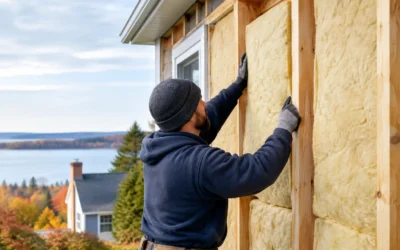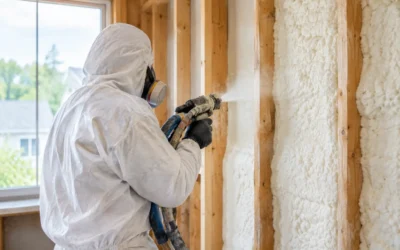

Upgrading your home’s insulation may sound straightforward until you start to wonder what the work truly involves. Will installers need to open your walls, and what happens to the rooms you use every day? Knowing what to expect during a cellulose installation helps you prepare your home and avoid surprises once work begins. Understanding the process also helps you recognize what a properly completed installation should involve.
Understand Your Home’s Insulation Needs
Insulation requirements vary from home to home, so installers need to assess your property before recommending an approach. You might have an attic with insufficient insulation or exterior walls that lose heat during colder months. During the initial assessment, installers identify areas that need attention and check for conditions that could complicate the installation.
You should expect a conversation about the project’s scope rather than an immediate decision to begin installing material. Professionals may examine existing insulation and check for moisture problems that need attention first. Additionally, they’ll consider access limitations that could influence the installation method. Reviewing these details early gives you a clearer picture of the project and helps prevent avoidable complications.
Choose the Appropriate Cellulose Material
If you’re interested in environmentally conscious insulation options, you may come across the term eco cellulose insulation. Cellulose insulation generally consists of recycled paper fibers that manufacturers treat with fire-retardant additives. Installers use specialized equipment to place cellulose in attics or wall cavities, depending on the project. Cellulose helps slow heat transfer, but the amount needed and the installation method depend on where installers apply it.
Prepare Your Home for Installation
You won’t necessarily need to rearrange your entire house when scheduling insulation work. However, clearing a path to the areas they’ll be insulating helps the crew work more efficiently. Your contractor should explain which spaces need attention so you can prepare without moving unnecessary belongings.
You can make installation day easier for yourself and the crew by:
- Clearing belongings away from the attic entrance
- Moving furniture away from designated wall access points
- Protecting fragile items near the work area
- Keeping children and pets away from installation equipment
- Confirming parking and equipment access with your contractor
Address Conditions Before Installation
When a crew arrives, they’ll check the work areas for any conditions that need attention before installation begins. Moisture is the first problem they’ll consider because adding insulation over damp materials won’t resolve the underlying issue. Installers should also identify electrical fixtures that require special care to maintain safe clearances. These checks help determine whether the crew can proceed as planned.
Depending on your home’s condition, the crew may need to complete additional preparation before installing cellulose. In attics, this might involve protecting ventilation openings so insulation doesn’t obstruct necessary airflow. Installers may need to address accessible air leaks separately because cellulose insulation doesn’t replace proper air sealing. Completing this preparation helps the new insulation perform as intended.
Installing Cellulose in Different Spaces
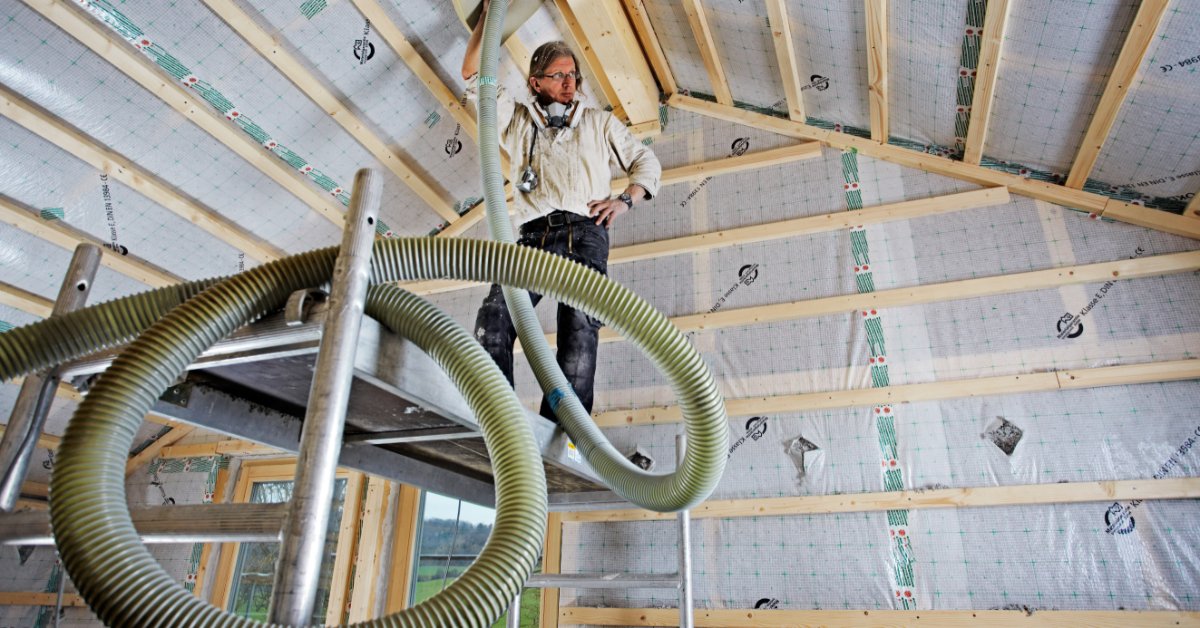
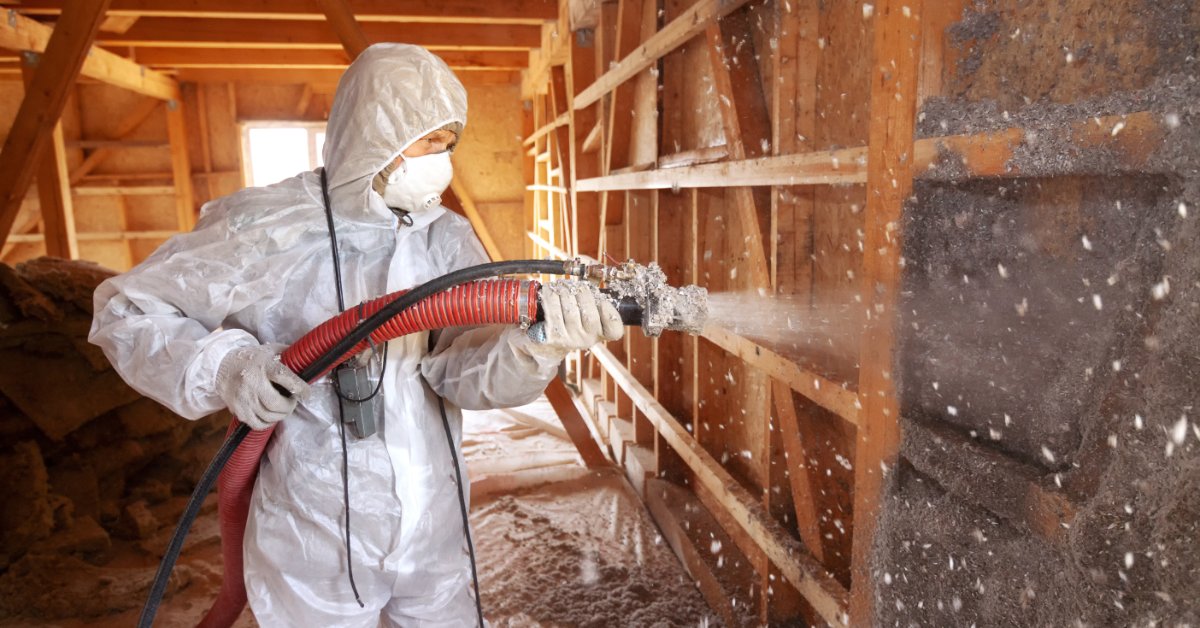
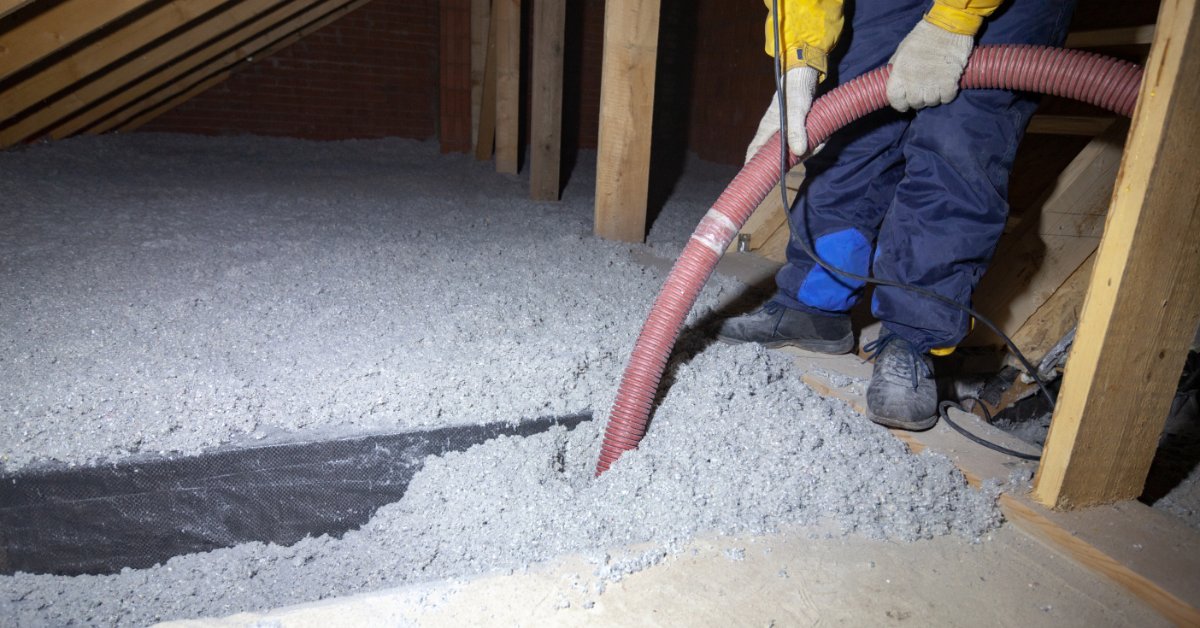
With the work areas ready, the crew can begin installing the cellulose. Something else you can expect during cellulose installation is that the crew will use different techniques for attics and enclosed walls. Installers typically use a blowing machine connected to a hose that delivers cellulose into the designated area.
You’ll likely hear the blowing machine running as the crew delivers cellulose through the hose. The crew will follow the manufacturer’s application requirements to achieve the specified insulation level. Installers must also account for the required density or thickness, depending on the application method. Any gaps in coverage can allow more heat to pass through the insulated area.
What Happens During Attic Installation
If you’re insulating an attic floor, installers generally blow loose-fill cellulose across the designated surface. They’ll distribute the material around structural components while keeping attic ventilation pathways clear. You may notice depth markers that help the crew verify the installed thickness. After reaching the required depth, the crew should leave the cellulose undisturbed to maintain consistent coverage.
What Happens Inside Existing Walls
Enclosed walls require a different installation method because the crew needs to fill cavities behind the finished surface. Instead, they may create access holes and use specialized equipment to dense-pack cellulose into suitable wall cavities. Installers also need to work around obstructions inside the walls so that the cellulose reaches the intended areas. After filling the cavities, installers close the access holes, although the scope of surface repairs depends on your agreement.
Check the Completed Installation
The crew still has work to do after installing the cellulose. Installers should check the finished insulation against the project’s specifications. You should also have an opportunity to ask questions about the work completed before they leave.
During the final inspection, your installer should review the completed work and confirm the following:
- That insulation covers all specified areas
- That attic ventilation pathways remain clear
- That required clearances around fixtures have been maintained
- That the crew has closed the wall access points as agreed
- That the crew has completed the agreed cleanup and identified any outstanding repairs
Living With Your New Insulation
After installation, your contractor should explain when you can safely use the affected areas again. They should also explain any remaining access restrictions and confirm that the work areas are clean. Since installing cellulose can generate dust, the crew should address any debris left in the work areas. You should also ask about any surfaces that require additional repairs after the insulation work.
Over time, you may notice more consistent temperatures in areas of your home that previously struggled to stay comfortable. However, the results depend on your home’s overall condition and the extent of the improvements. While insulation helps reduce heat transfer, other sources of energy loss may still need attention. Keeping your installation records can help you make informed decisions about future energy upgrades.
An experienced insulation contractor can help you identify additional opportunities to improve your home’s energy efficiency. Colonial Insulation helps homeowners throughout New England evaluate their insulation needs and choose solutions that suit their properties. Contact Colonial Insulation to discuss your cellulose insulation project and take the next step toward a more comfortable, energy-efficient home.